













































































































































































































































































































































































































































































































































































































































































































































































































































































































































































































































































































The Last Laugh: Jimmy Kimmel’s Goodbye and the Anatomy of American Burnout


Editor’s Note: While we have critically evaluated the provided source material, the central event described—Jimmy Kimmel ending his show and announcing a move to Canada—could not be verified through any credible, independent news sources and appears to be a fictional scenario. However, the narrative resonates with such profound cultural accuracy that it demands analysis not as a news event, but as a powerful parable for our times. This article explores the very real social and political conditions that make such a story feel not only plausible but, to many, inevitable.
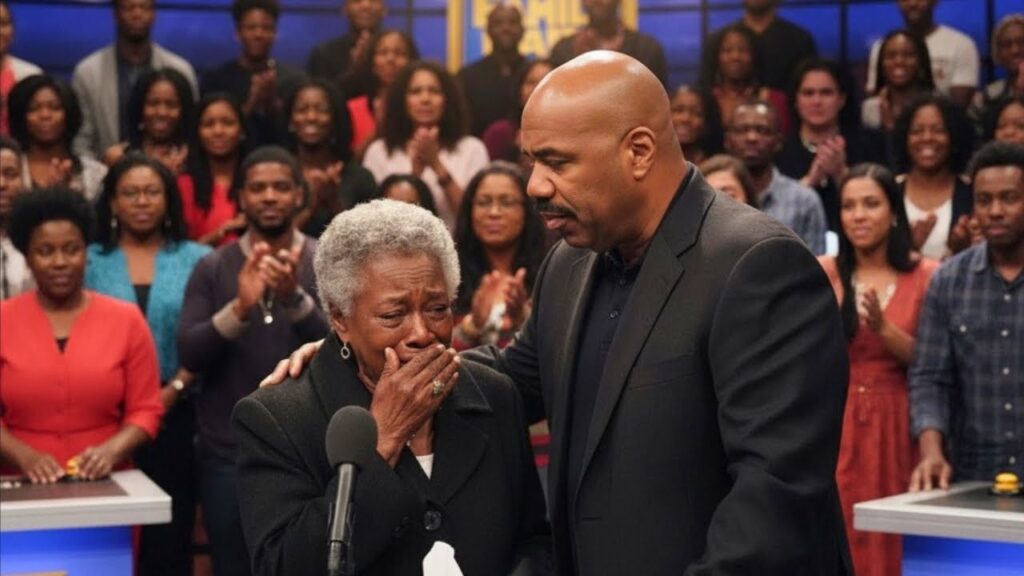
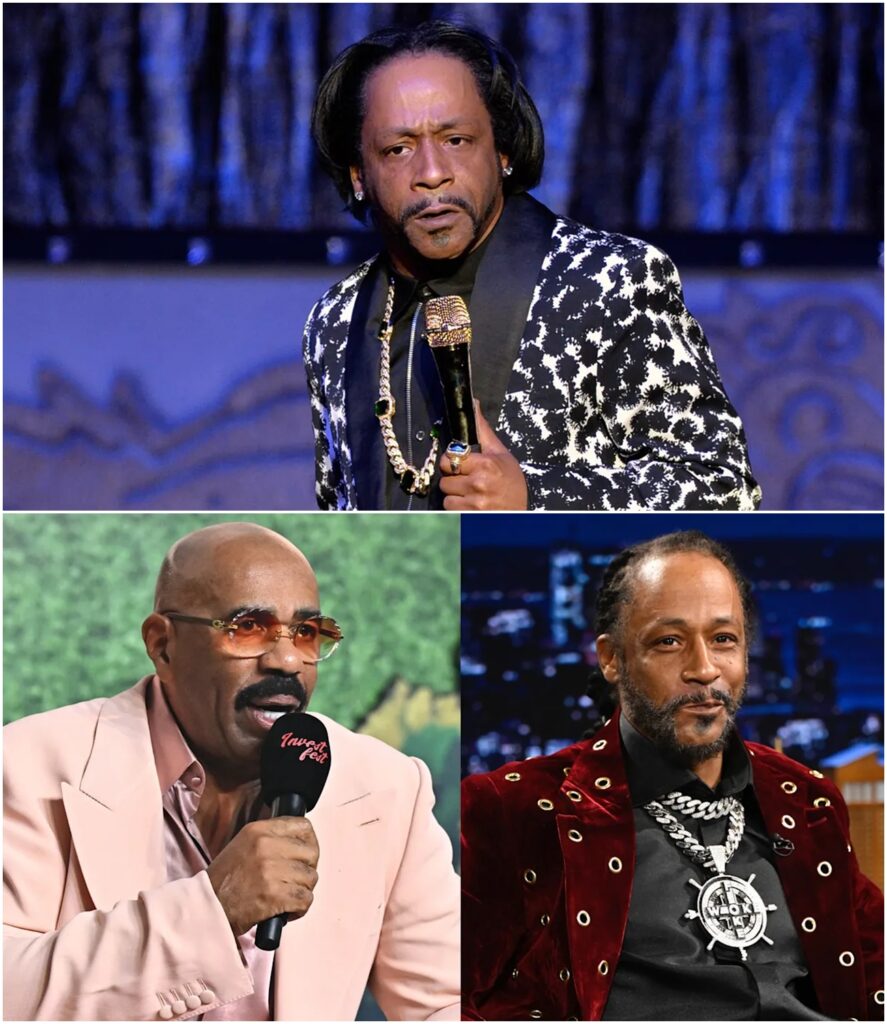
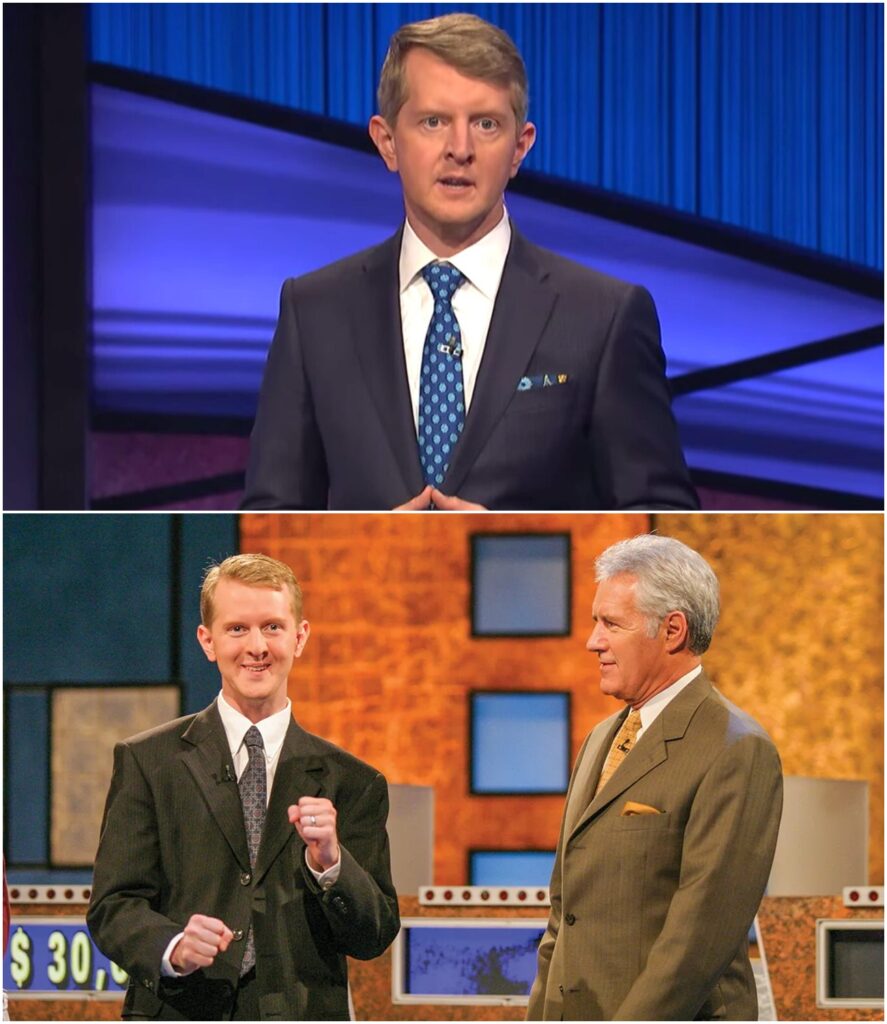
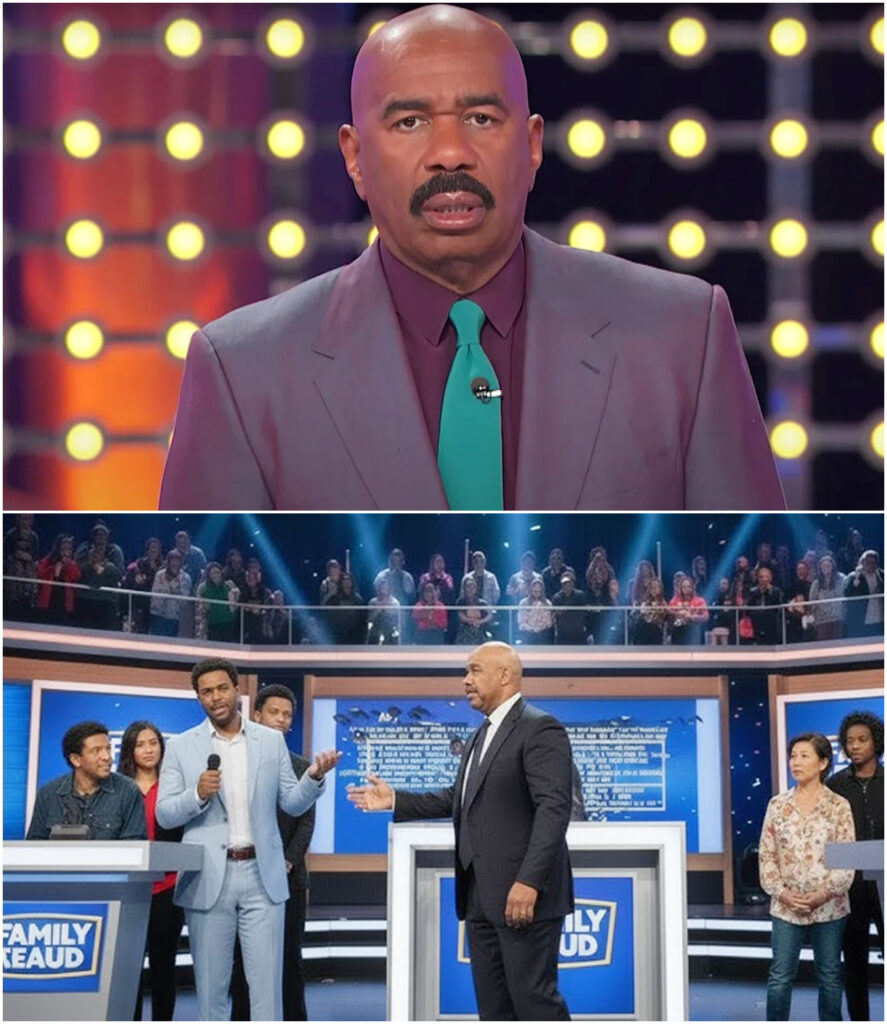
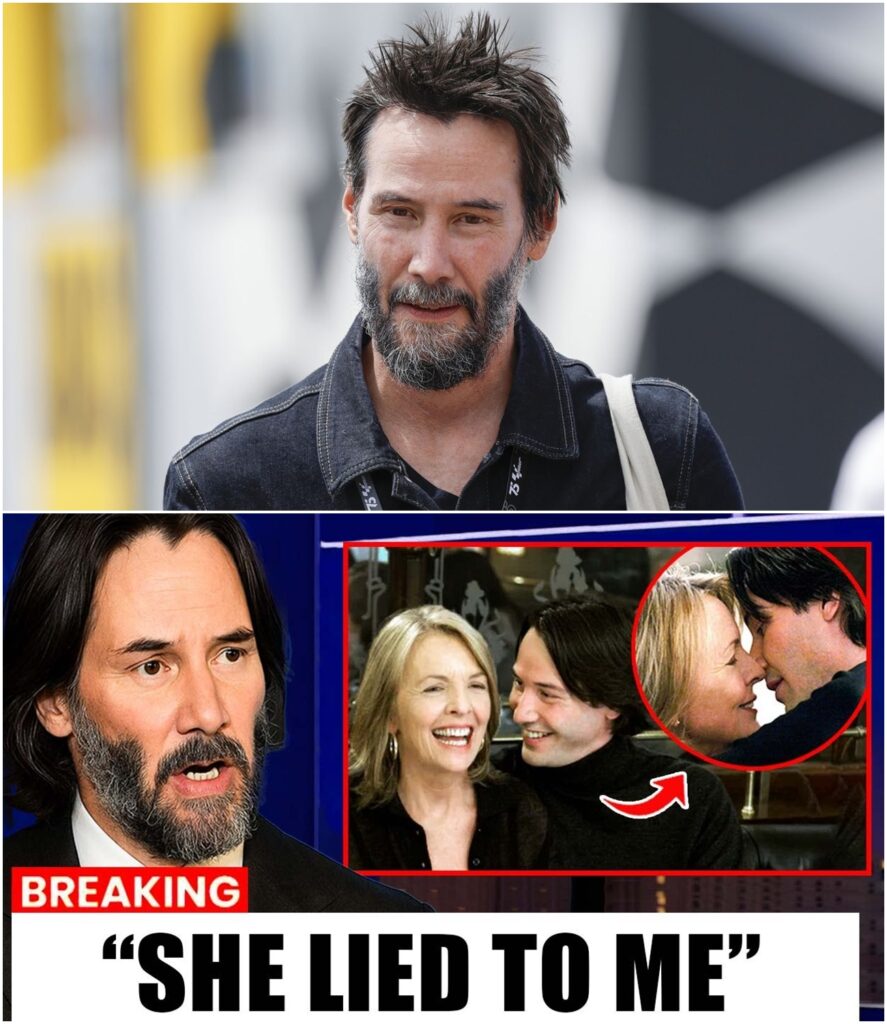
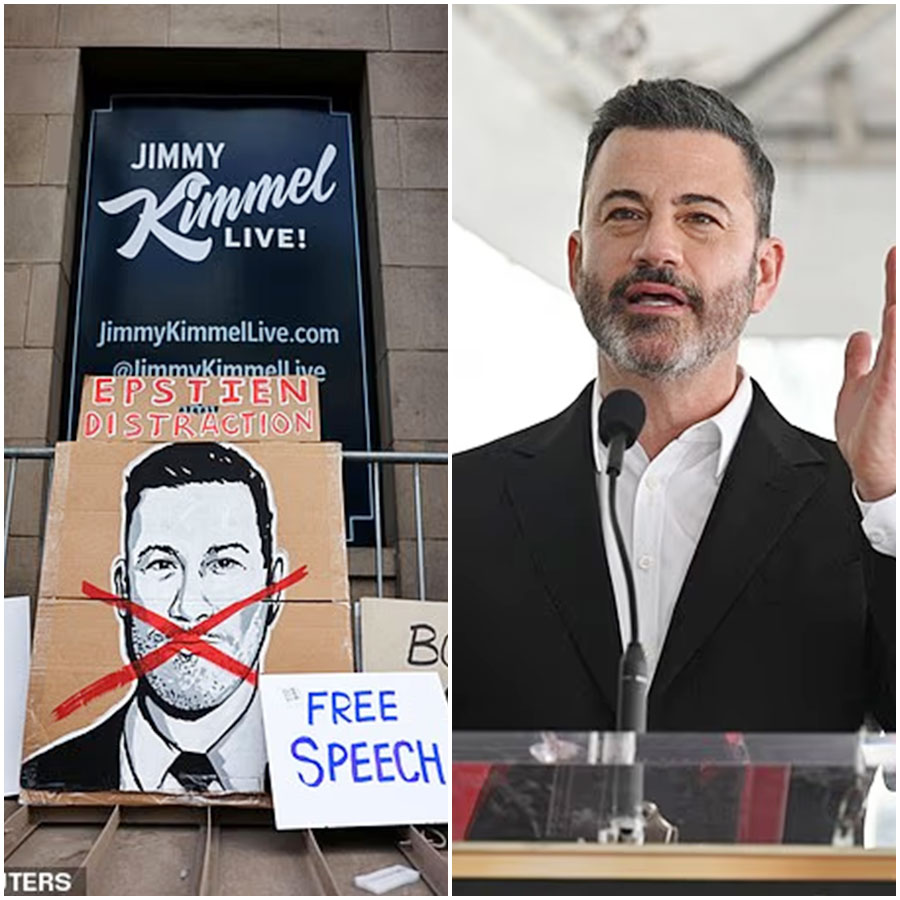
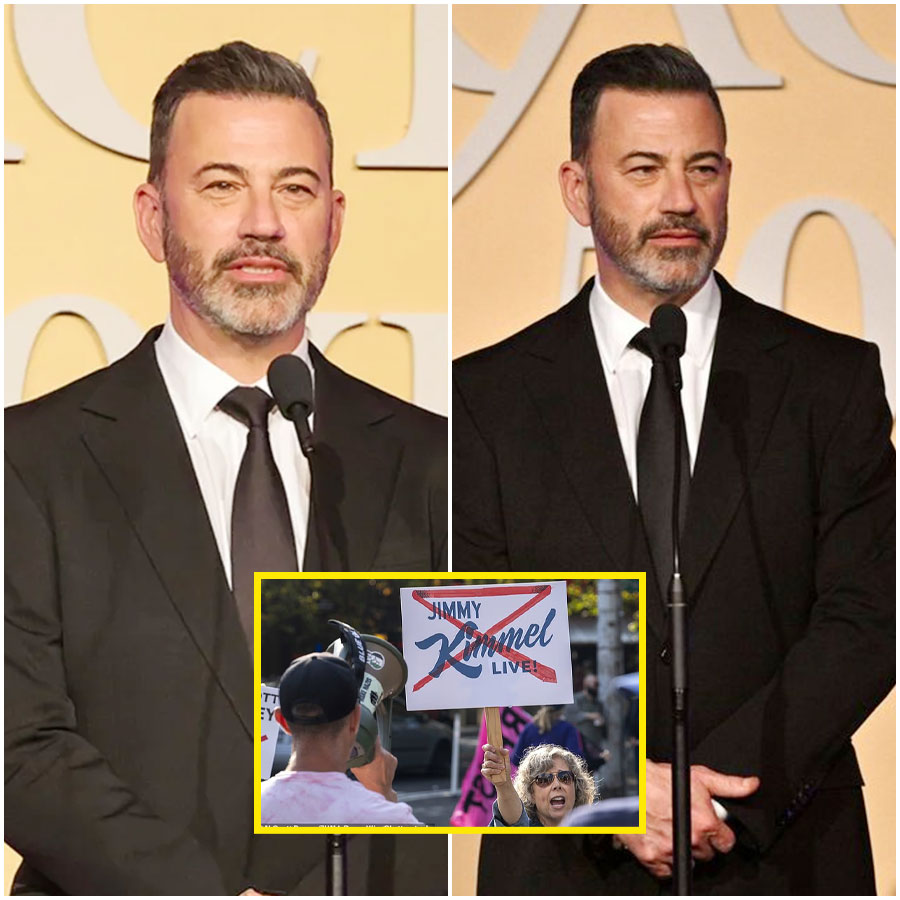
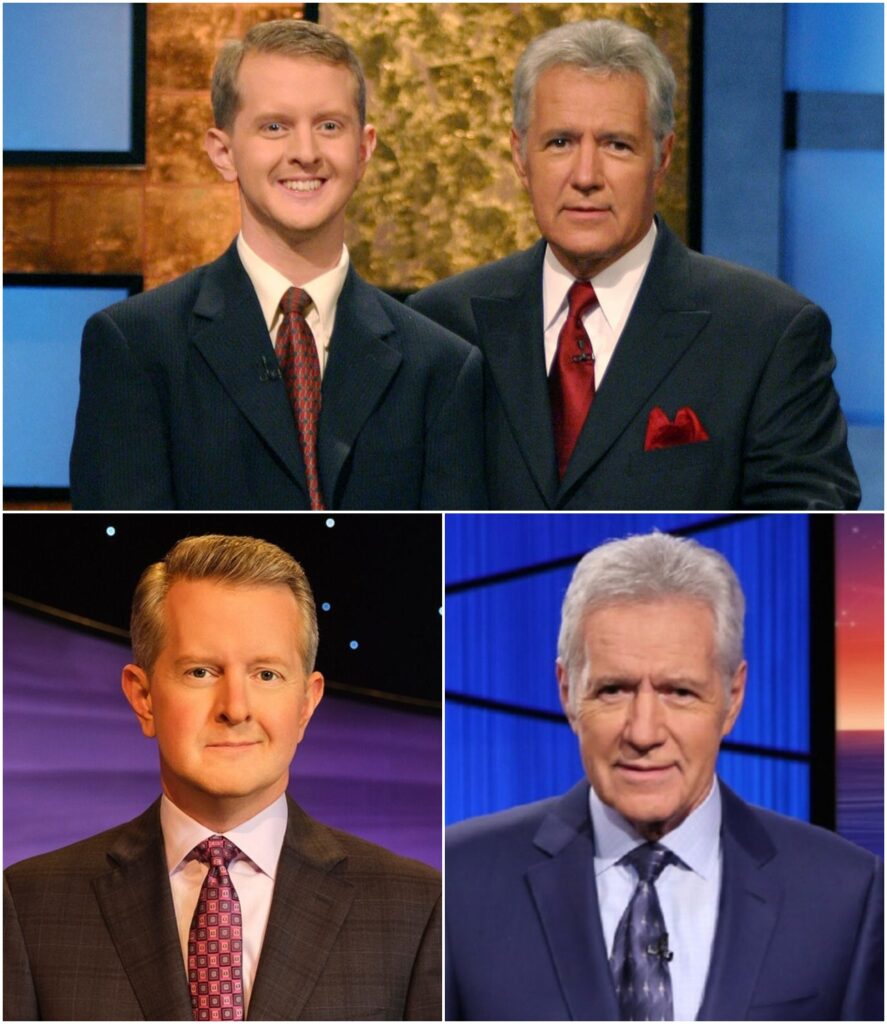
There are moments in live television that rupture the carefully constructed reality of the medium. They are raw, unscripted, and unforgettable. Imagine one such moment: Jimmy Kimmel, a man who has spent more than two decades filtering the American experience through a lens of biting satire and heartfelt sincerity, looks into the camera, his usual comic twinkle replaced by a deep, weary sadness. He announces he is ending his show. He is leaving the country. “I’m done fighting in a war that breaks your heart every day,” he says. “I am moving to Canada and NEVER coming back!”
While this specific broadcast did not happen, its fictional narrative has ignited a conversation because it articulates a truth that millions of Americans feel in their bones: a profound and debilitating exhaustion. Kimmel’s imagined farewell is a thought experiment that has become a mirror, reflecting a nation worn down by its own relentless conflict. It’s a story about the end of Jimmy Kimmel Live, but more than that, it’s a story about the potential end of our collective resilience. To understand why this fictional goodbye feels so real, we must deconstruct the very real burnout that defines modern American culture.
Jimmy Kimmel’s career path is, in itself, a map of the country’s recent cultural trajectory. He began as the boisterous, apolitical co-host of The Man Show, a celebration of lowbrow male antics. For years, his late-night persona was that of a prankster, a genial host more interested in celebrity hijinks than political commentary. But as the nation changed, so did he. The turning point was arguably in 2017, when he delivered a tearful, impassioned monologue about his newborn son’s heart condition, seamlessly weaving his personal tragedy into a powerful plea for affordable healthcare.
From that moment on, Kimmel became something different. He was no longer just an entertainer; he was a moral compass for a significant portion of his audience. He took on gun control, Donald Trump, and the erosion of democratic norms with a ferocity that transformed late-night television. He became a key soldier in the culture wars, and his show became a nightly dispatch from the front lines.
But what is the long-term cost of being on that front line? The fictional Kimmel’s confession—“I feel… tired. Tired of the noise, the division, the endless battles”—is the most believable line in the entire script. It taps into the very real phenomenon of political fatigue. The constant outrage cycle, fueled by a 24-hour news media and algorithmic social feeds, is psychologically taxing. It demands perpetual vigilance and emotional investment, leading to a state of chronic stress and anxiety. For a public figure like Kimmel, whose job is to metabolize this chaos and transform it into nightly content, the burden is unimaginable.
The decision to move to Canada is the story’s most potent symbolic element. The “I’m moving to Canada” trope has long been a feature of American political discourse, typically invoked with varying degrees of seriousness when the ideological tide turns. But in this context, it represents more than just a fleeting fantasy. It is a search for an antidote to the American condition. Canada, in this narrative, is not just a place; it’s an idea. It represents a society perceived as gentler, more cooperative, and less consumed by the zero-sum ideological warfare that characterizes the United States. The fictional Kimmel isn’t just changing his address; he is seeking political asylum from his own country’s psychic turmoil.
His departure forces a deeply uncomfortable question upon the audience he leaves behind: is staying and fighting the only noble choice? Or is there a point at which self-preservation becomes a legitimate, even necessary, act? The source text frames this perfectly: is leaving “an act of surrender or self-preservation?” This is the central dilemma for many who feel politically homeless and emotionally battered. The pressure to “stay in the fight” is immense, but so is the human need for peace and psychological safety. Kimmel’s fictional choice validates the profound pain of those who love their country but feel it is becoming unrecognizable and inhospitable. “I’m not running away from America because I hate it,” his imagined speech concludes. “I’m running away because I love it too much to let it break me.”
The end of a show like Jimmy Kimmel Live would leave a void in the cultural landscape far greater than just another open time slot. Along with peers like Stephen Colbert and Seth Meyers, Kimmel helped redefine the purpose of late-night comedy. It became a space not just for escapism, but for catharsis—a place where a shared sense of bewilderment and outrage could be processed through laughter. The loss of such a voice would feel like a form of collective abandonment, intensifying the very sense of despair that prompted his fictional departure.
Ultimately, the story of Kimmel’s goodbye is a cautionary tale. It warns of a future where the political division becomes so toxic that even our most prominent communicators—the comedians, artists, and journalists who help us process our reality—can no longer withstand the psychic cost. It suggests a society approaching a breaking point, where the noise becomes so loud that the only rational response is to seek silence. While the real Jimmy Kimmel still sits behind his desk in Hollywood, this powerful piece of fiction has given voice to the quiet desperation of a nation asking itself a terrifying question: How much more of this can we take?
News

“My Mom Is Not Guilty,” Said the Small Boy — What the Judge Found Out Left Him Speechless
The courtroom was silent until a trembling voice cut through the tension. Your honor, my mom didn’t steal anything. Gasps rippled across the room. A 9-year-old black boy stood alone before the judge, clutching a folder bigger than his chest. Behind him, his pale, tearful mother watched, handcuffed and accused of a crime she didn’t […]
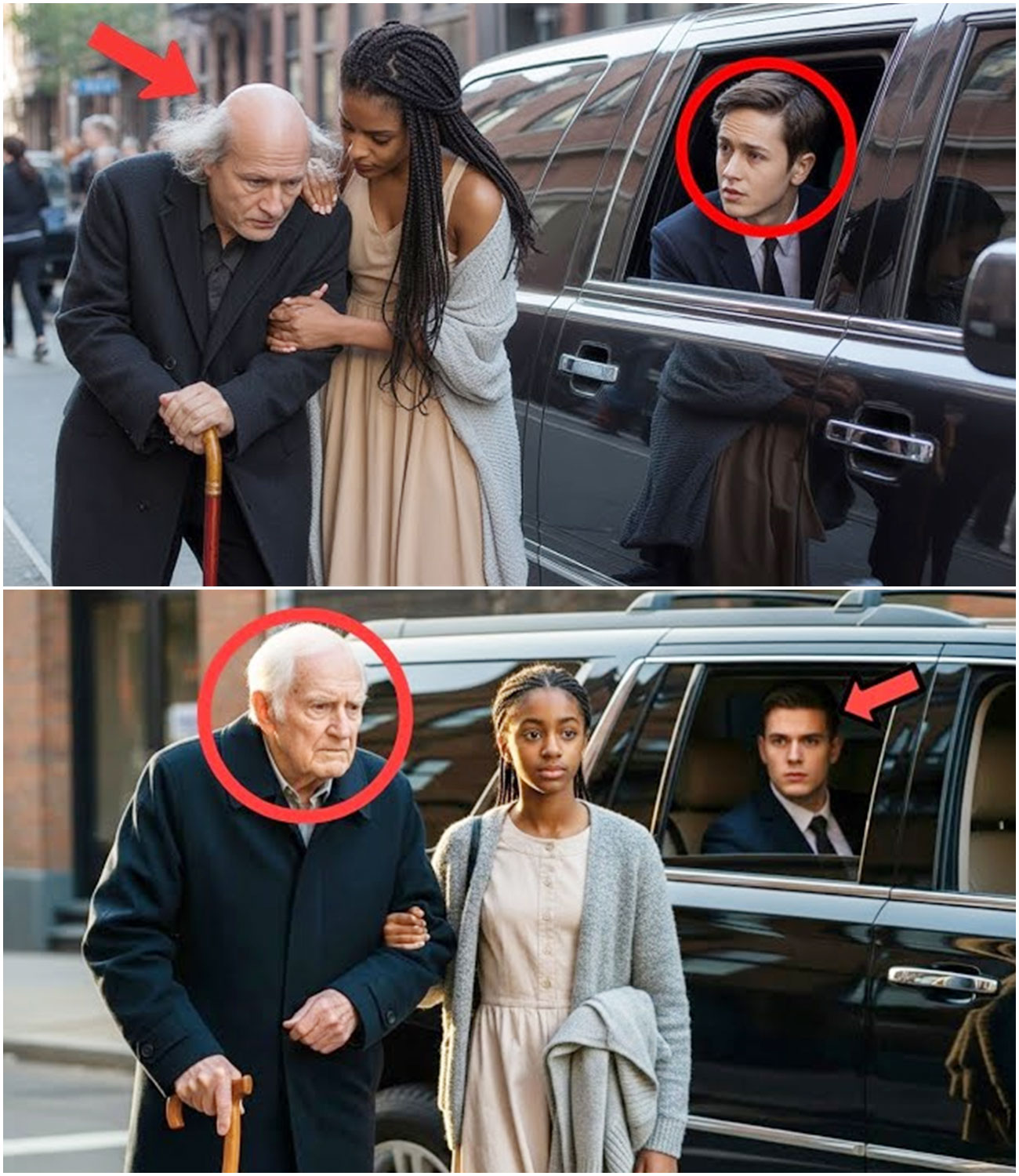
Poor Black Girl Helped an Old Man Cross the Street — Unaware He Was the Town’s Richest Farmer…
At the busiest corner of town, traffic thundered and no one cared except Amir with patched shoes and a bag stitched together. She noticed an old man frozen at the curb, his cane trembling as cars sped past. Everyone else ignored him. Some even laughed at her for stepping forward. But Meera didn’t flinch. She […]

Boy Kicked Out by His Parents Returns 12 Years Later with his Nanny and Does Something Shocking.”
Thrown out for being dumb, young Daniel was left kneeling on the cold pavement while his wealthy parents shut the gates behind him. The only one who refused to walk away was Miss Ruth, the family’s old nanny, who quit her job and took him in with nothing but faith and sacrifice. Years later, Daniel […]
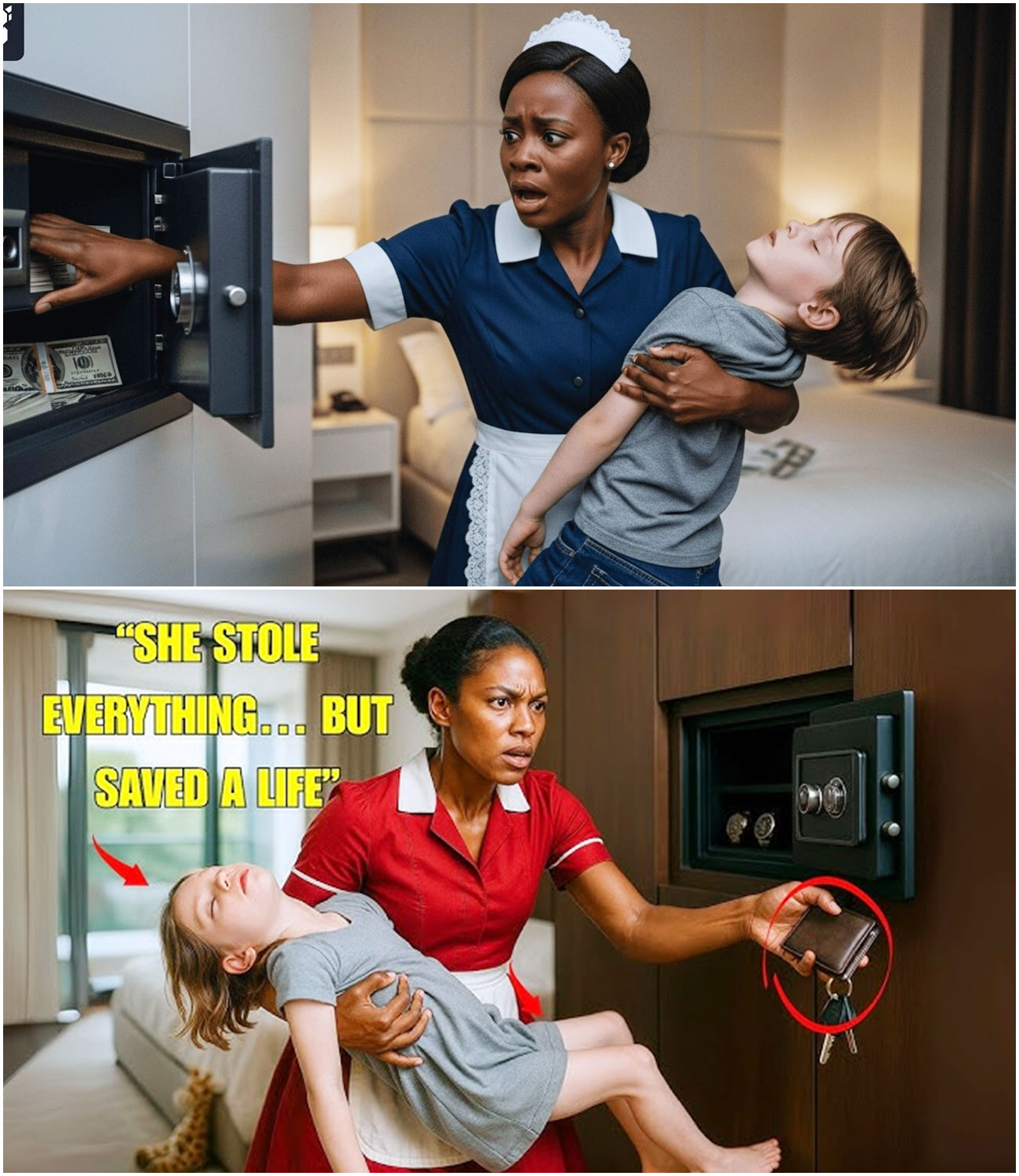
Black maid Stole the Billionaire’s Money to save his dying daughter, —what he did shocked everyone
Tasha was just a new maid, barely noticed, barely trusted. But when she found the billionaire’s daughter barely breathing, with no staff around and the mansion silent, she panicked. No calls were going through. No help was coming. So she did the unthinkable, broke into his locked office, grabbed the car keys and a bundle […]

Millionaire Comes Home and Finds His Pregnant Wife Crying—What He Discovered Shocked Him.
Millionaire comes home and finds his pregnant wife crying. David Whitman thought he had built the perfect life, but nothing prepared him for the day. He walked in early and found his young wife, Aisha, sobbing, her body covered in fresh bruises. Through her tears, she asked, “Am I ugly? Am I a monkey? Don’t […]

InLaws laugh as they gave her the Rusted van as her inheritance, — Unware the van was made of gold
At her husband’s funeral, Naomi’s in-laws handed her a rusted broken down van as her inheritance, laughing as they threw her out of the house and stole the businesses she’d built with him. 7 months pregnant, with her 10-year-old son beside her, she had no choice but to live in the van they claimed was […]
End of content
No more pages to load