








































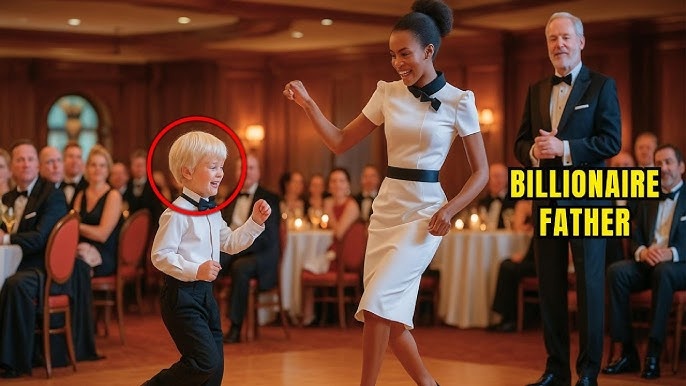





























































































































































































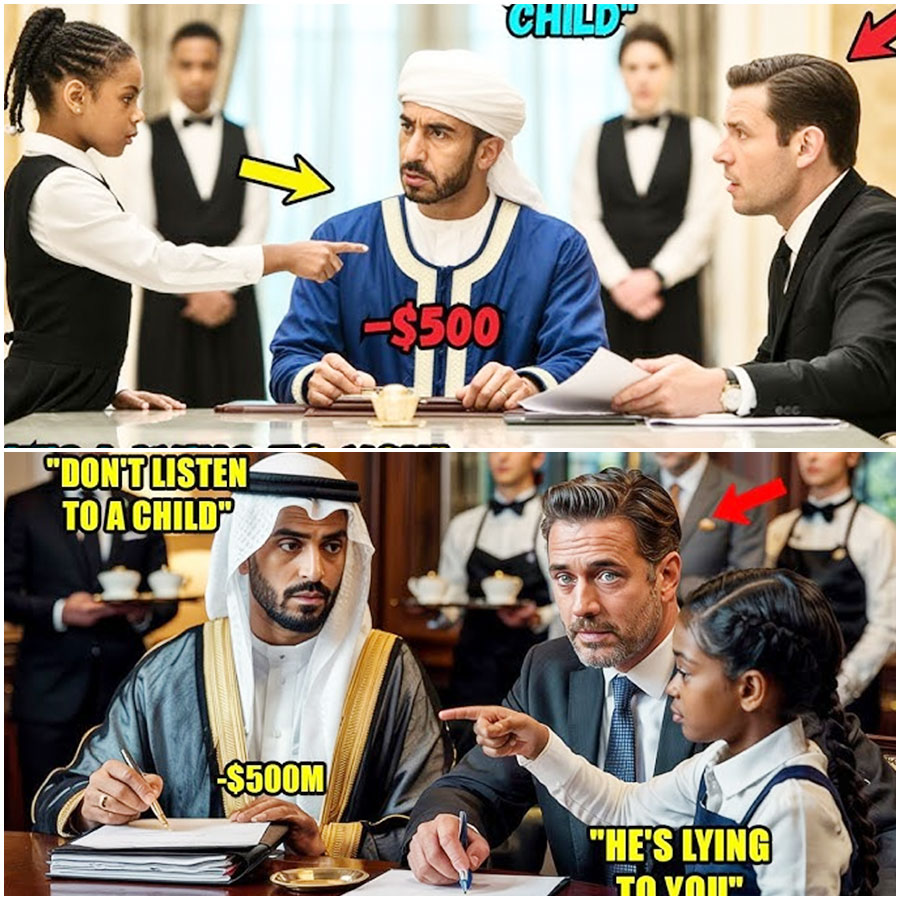





























































































































































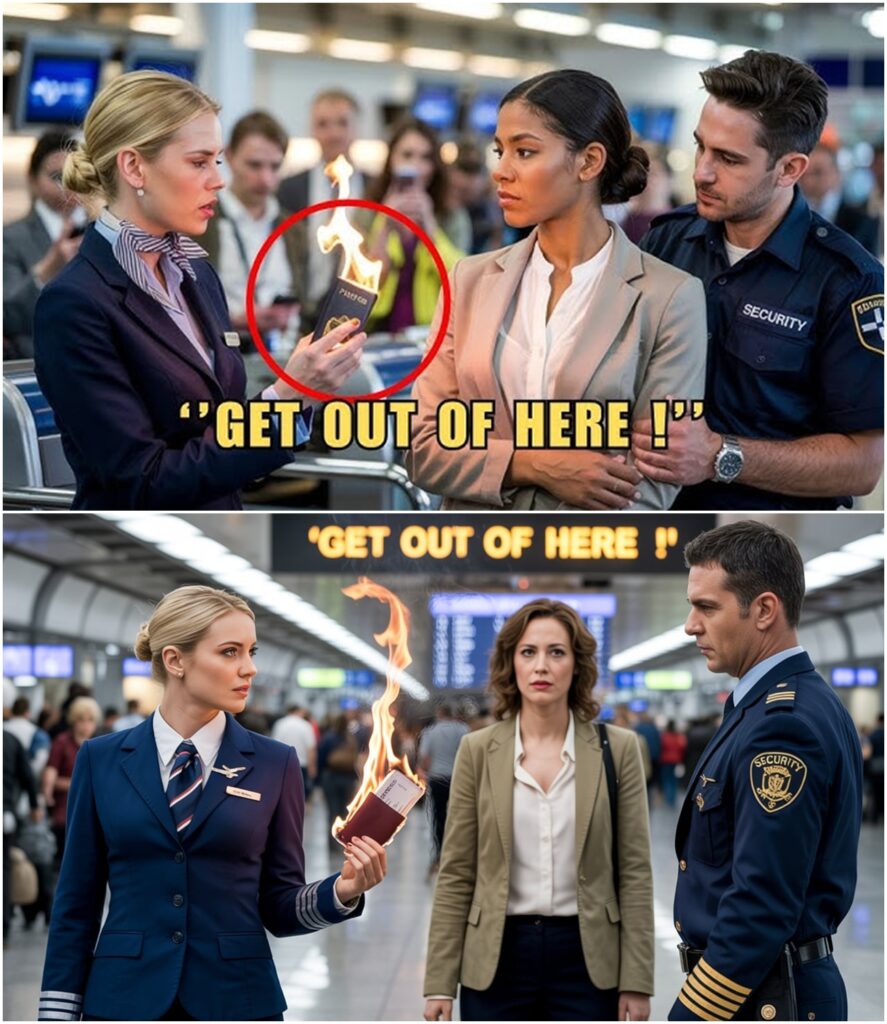


















































































Billionaire CEO Mocked Black Waitress in Arabic — Seconds Later She Answered Back Fluently

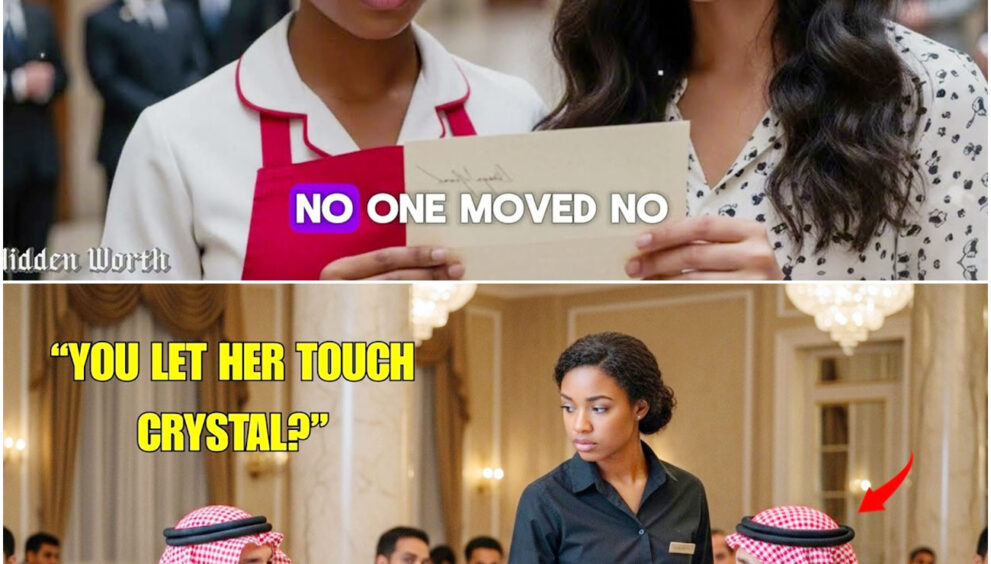
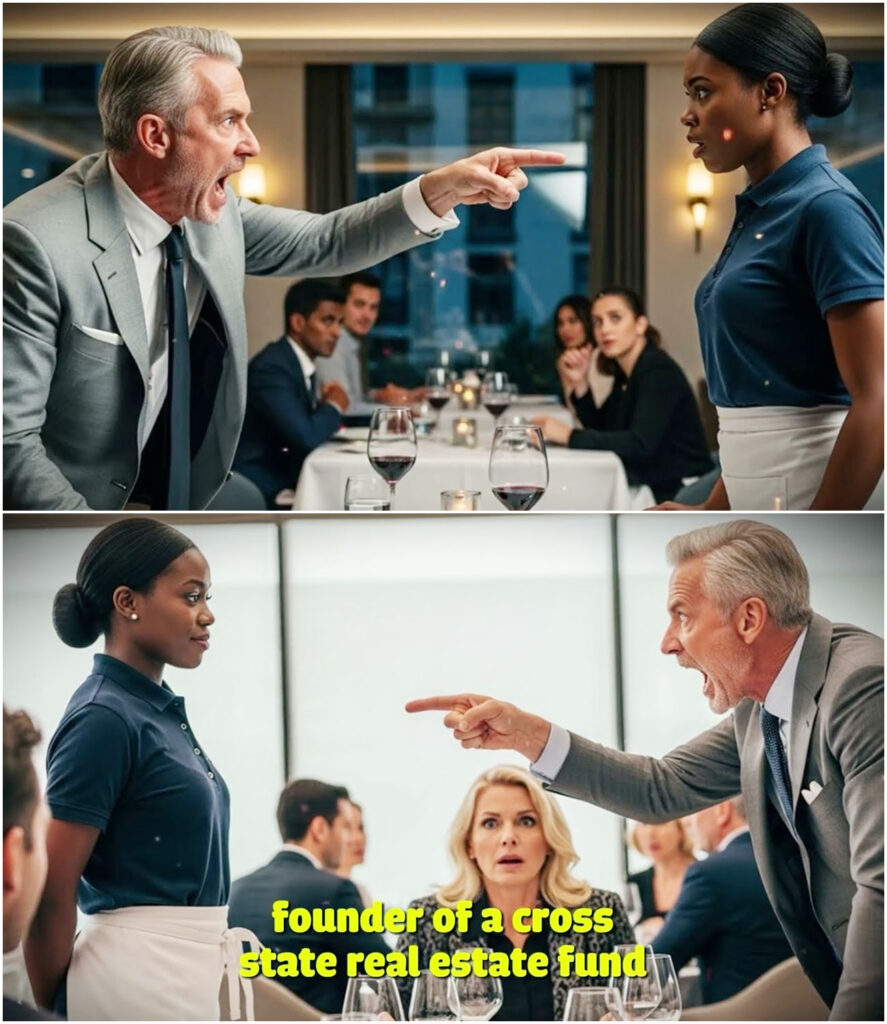
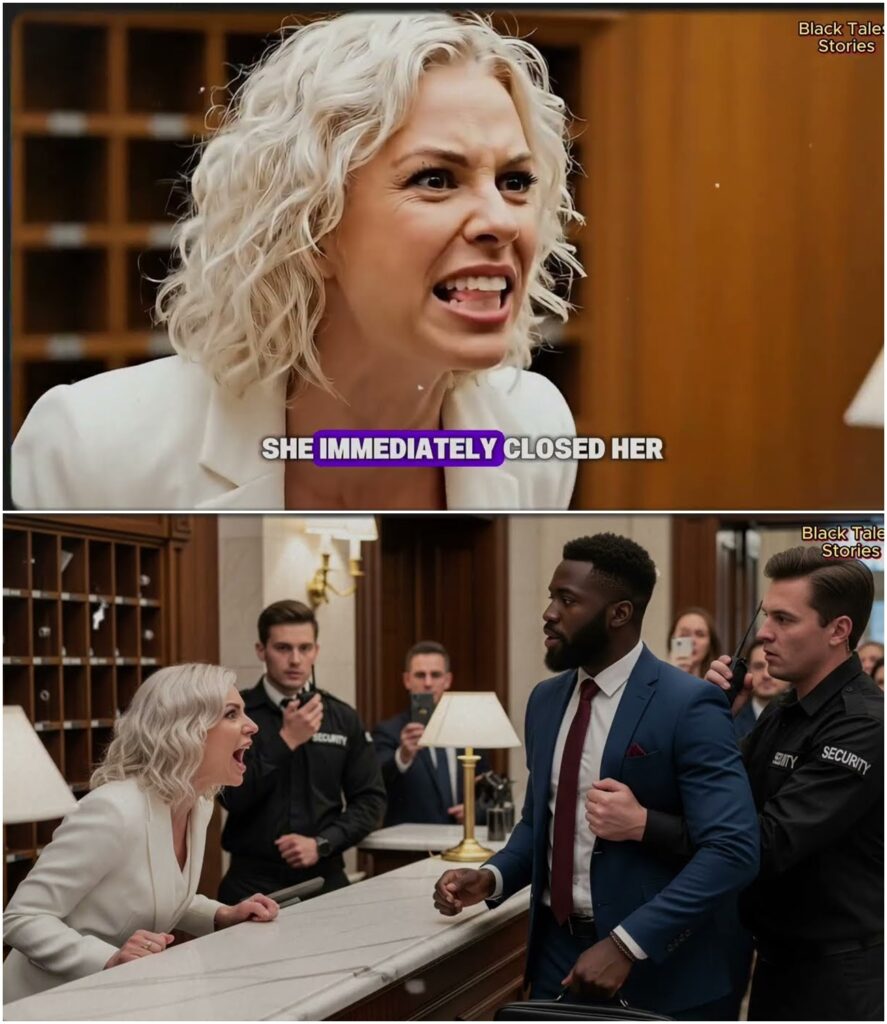
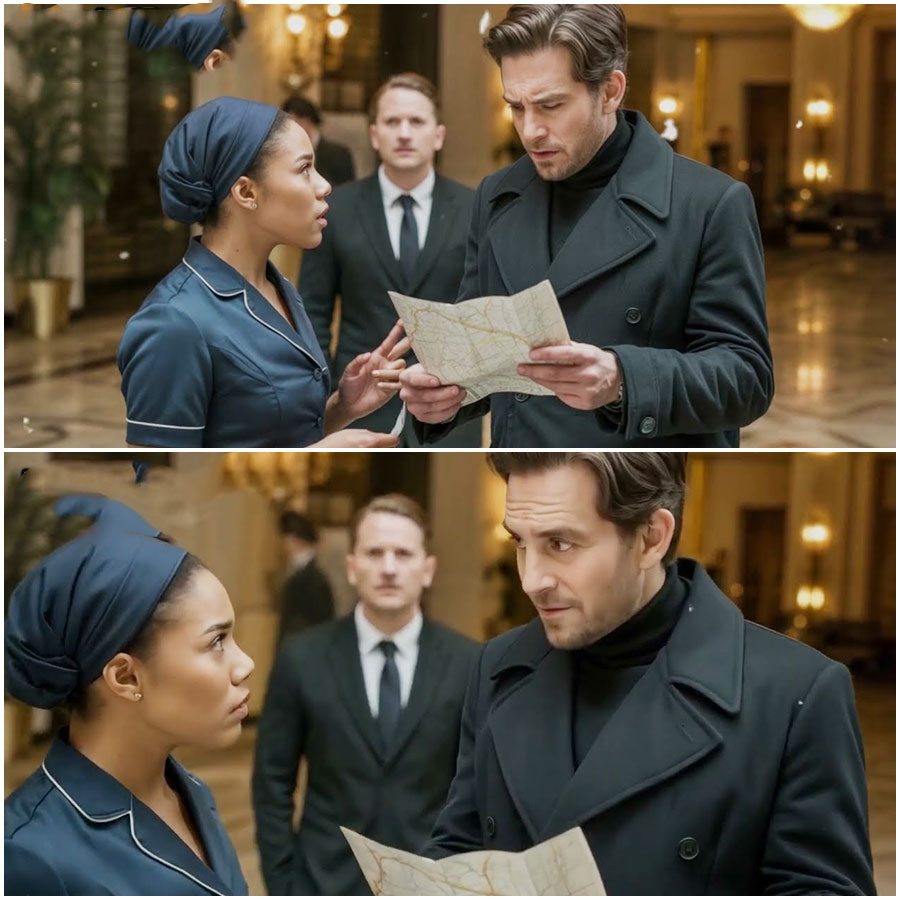
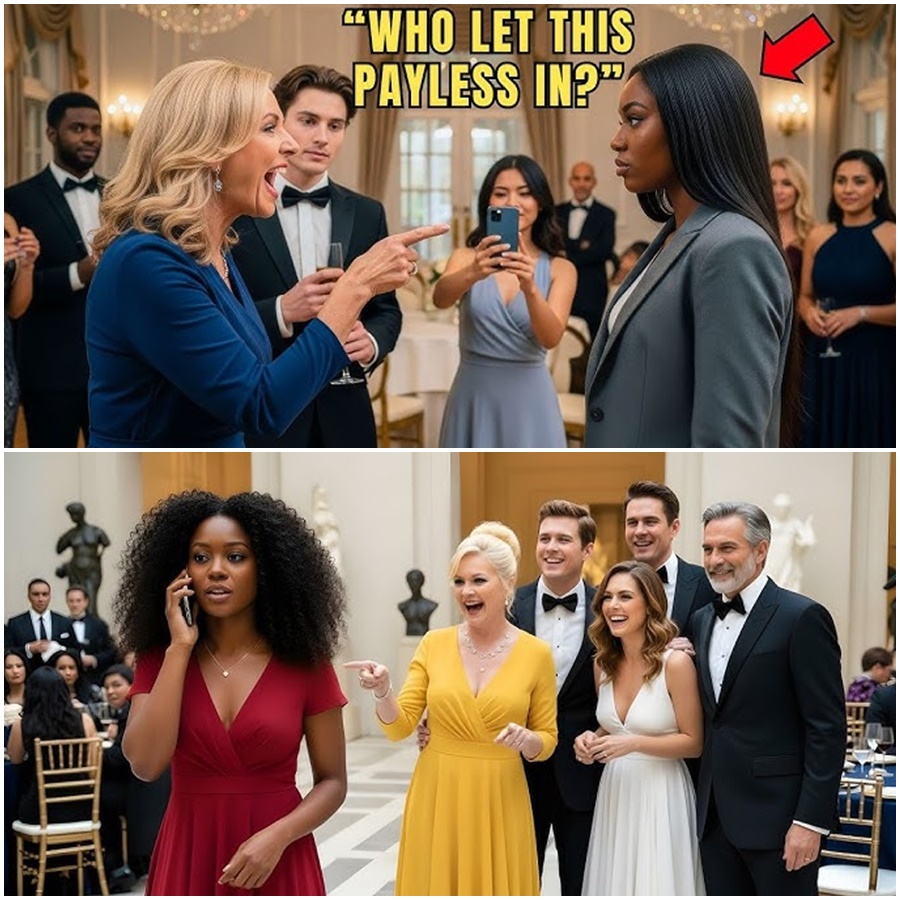
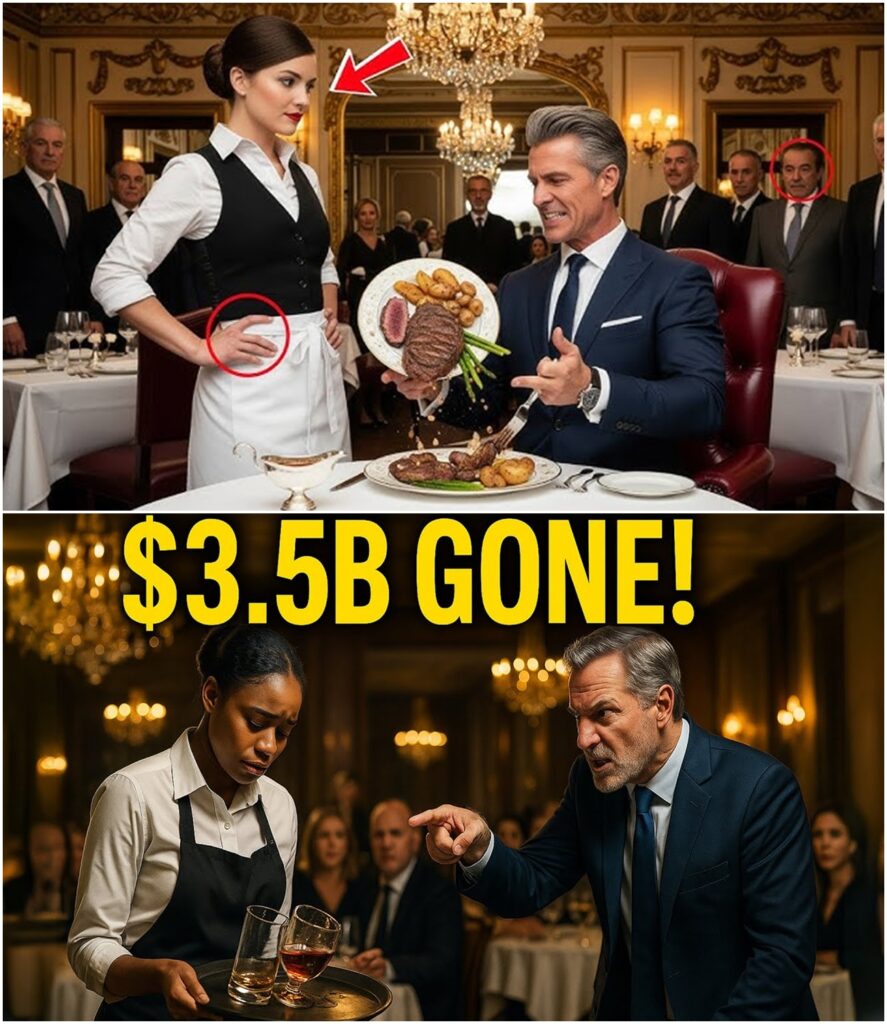
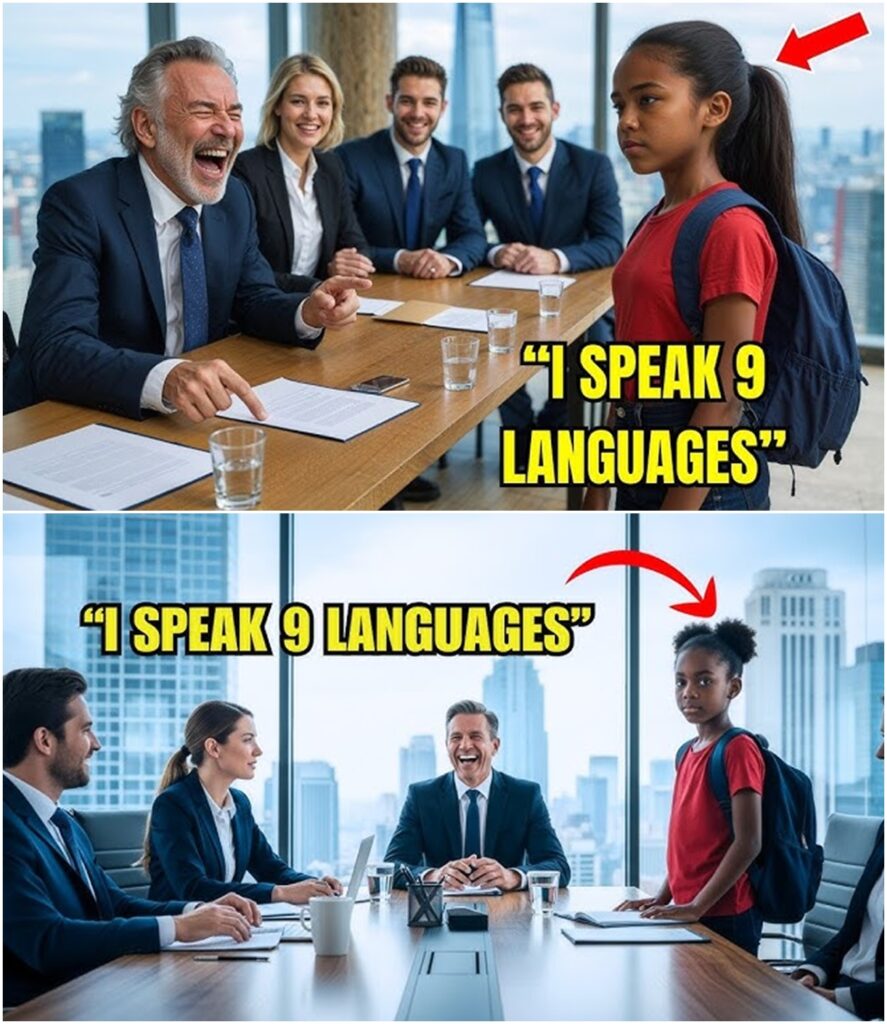
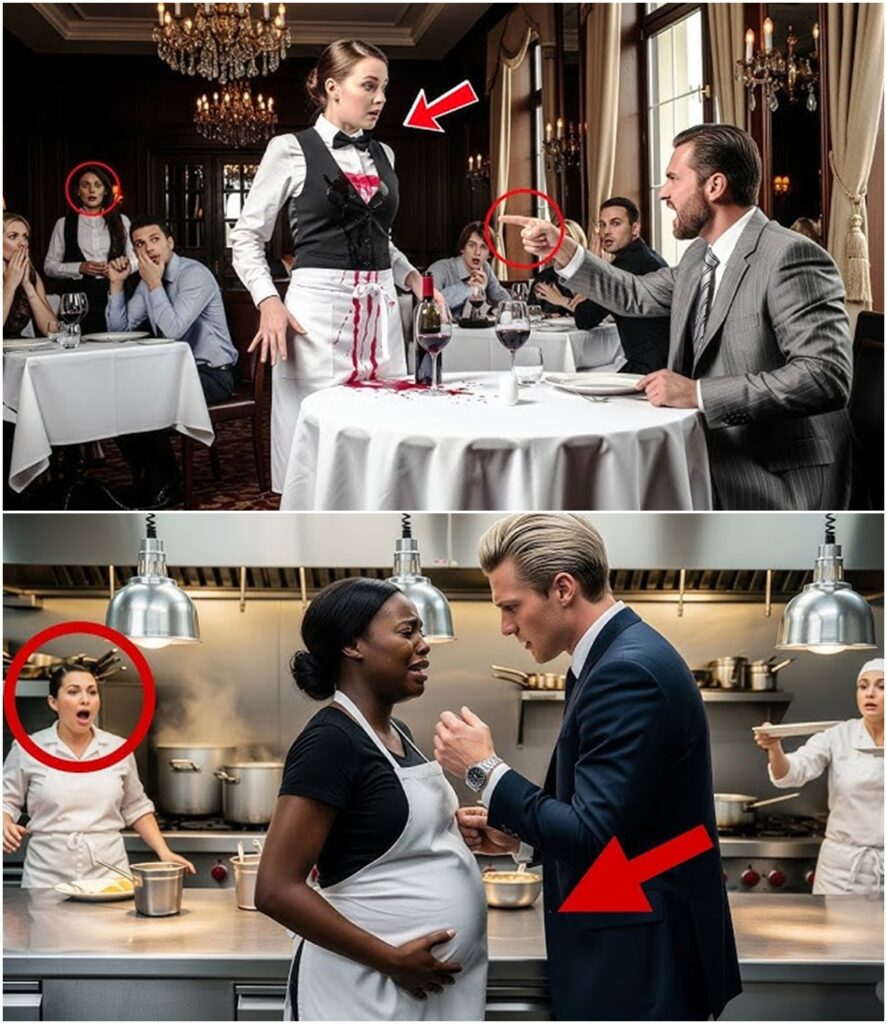
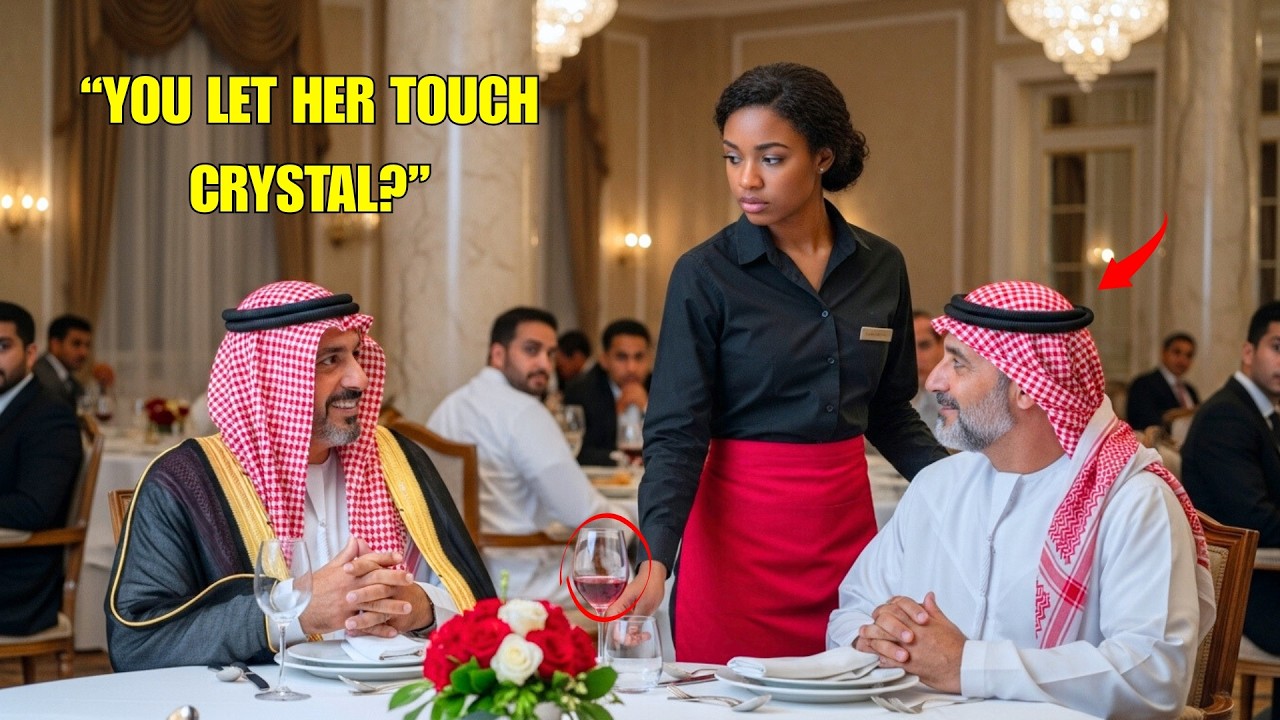
You let a woman like her touch crystal glass? What are we running a charity now? The words snapped through the air like a whip. Sharper than the clink of silver, louder than the music playing softly under the chandeliers. Laughter followed tight, rehearsed, the kind of laugh that hides cruelty behind elegance. Aaliyah Brooks didn’t respond.
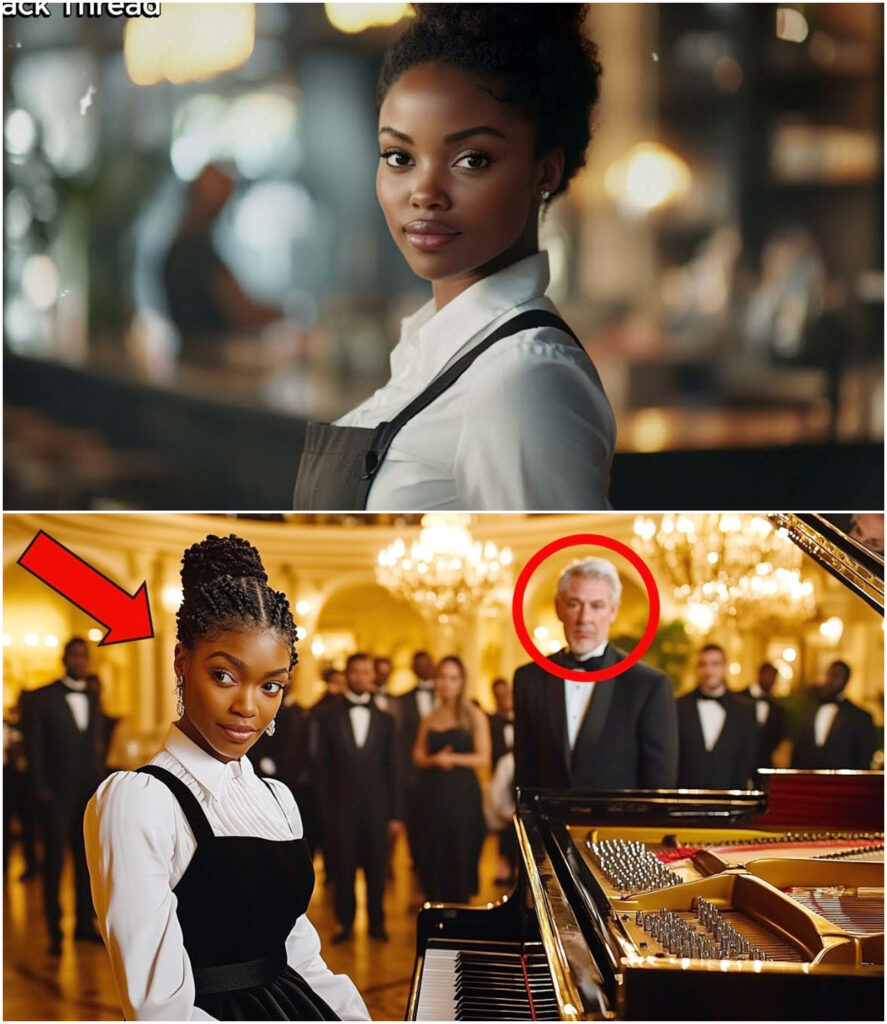
She stood still, a tray in her hands, her black uniform blending into the golden glass splendor of the Beverly Hills Ballroom. At that moment, she wasn’t a person to them. She was a prop, a background piece in their theater of wealth.
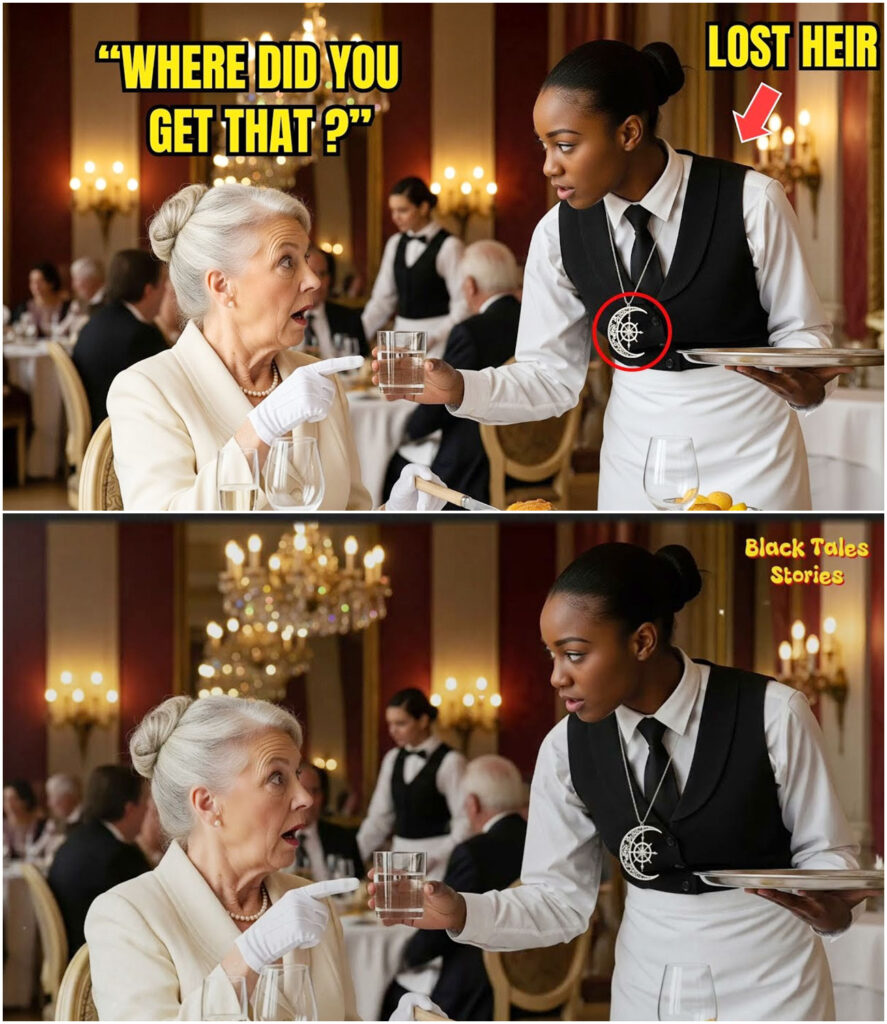
The only black waitress in a room filled with designer gowns, diamond watches, and thinly bailed entitlement. She placed the glass down gently. No trimmer in her hands, no crack in her posture. Then her voice broke the air not in English but in Arabic. The crystal does not define the worth of the one who holds it. It only reflects the dignity of the one who drinks from it.
It was perfect, clear, confident, precise. Silence, every face turned. The billionaire who had mocked her, Kareem al-Nagar, blinked as if he’d just seen something he couldn’t unsee. a black woman fluent in a language he used to humiliate her, now speaking it with more grace than he ever had.
This wasn’t just a response. It was a shift in power. And this right here is not just any story. This is a black story. One of resilience, brilliance, and presence in places where some would rather you stay invisible. It’s the kind of story that reminds you why words matter. Why silence is sometimes the loudest protest.
If this moment made you feel something, rage, pride, maybe both, do one small thing, hit that follow. Not for me. For the ones who never got to speak like this. For the ones still waiting to now stay with me because what Aaliyah did next, it didn’t just reclaim her power. It exposed everything they thought they could hide. Nights go. Aaliyah Brooks was never meant to blend into the background.
She grew up in Atlanta, Georgia, on the edge of Buckhead and barely clinging to the line that separated comfort from struggle. Her father, a retired Navy officer, believed in discipline, structure, and showing up even when the world didn’t expect you to. Her mother, a linguistics professor at a small liberal arts college, believed in stories.
How language shaped identity, how names carried legacies, how silence was sometimes a weapon and sometimes a wound. By the time Aaliyah was 10, she could already speak fluent French and was reading Arabic poetry with her mother by candle light when the power bill came late.
Their apartment didn’t have much, but it had books, shelves of them stacked high like towers around the living room. Words were never just for speaking. They were armor. They were home. At 17, she was accepted into one of the country’s top language and diplomacy programs with a full scholarship. Her professors called her a prodigy. Her classmates called her the quiet storm. She could break down diplomatic documents in Arabic faster than most could read them in English.
She once corrected a visiting diplomat during a university panel and did it with such respect and fluency that he offered her an internship on the spot. But life doesn’t always reward brilliance. 2 weeks before she was to begin her internship, her mother collapsed. Stage 4 cancer. Aggressive. Unforgiving. Aaliyah left school within 48 hours. No debate. No hesitation.
Her mother came first. The scholarship was frozen. The internship slipped away. She took jobs where she could. Barista, office assistant, tutor, eventually landing a waitressing gig at Lameone Celeste in Los Angeles, a fine dining restaurant where the rich went to be seen.
It paid well, the hours were long, and the tips kept her mother’s medicine cabinet full. Most people who met her there never knew. They saw the uniform, the apron, the smile. They didn’t see the multilingual scholar, the girl who once stood at the podium of the National Arabic poetry recitation, the daughter of a woman who taught her that language could cut deeper than any insult if wielded with truth.
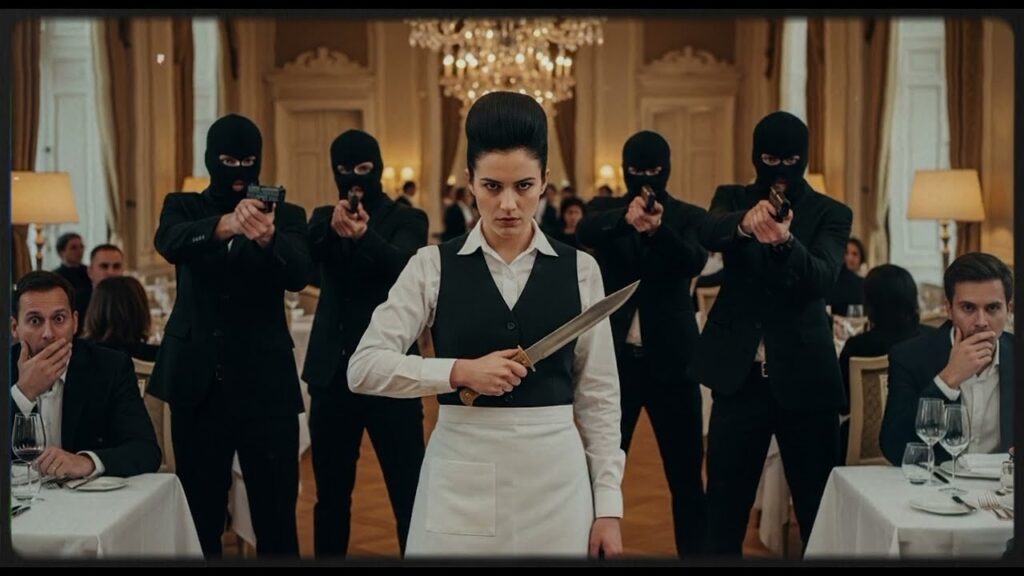
And on the night of that gala, she carried all of it in silence until silence was no longer enough. The gala was everything you would expect from a night designed to impress the elite. Held at the Rosemont Grand Ballroom in the heart of Beverly Hills, it shimmerred like a crown jewel under California’s star-studded sky.
Ballots in tailored black stood beside polished Bentleys and Rolls-Royces, guiding guests in floor length gowns and tuxedos past velvet ropes and gold trimmed archways. Inside, the room was soaked in opulence. Crystal chandeliers hung like frozen waterfalls, throwing diamonds of light onto marble floors so polished they reflected every movement.
Each table was dressed in satin linens, fine bone china, and centerpieces that looked like they belonged in a museum. Tall glass vases filled with white orchids surrounded by tiny flickering candles that bathed the space in soft warm light.
The room smelled of money, expensive cologne, aged wine, and a kind of floral arrangements that cost more than a month’s rent. It was a fundraising gala hosted by Alagar Energy Group, headlined by its charismatic CEO, Kareem Alagar. billionaire, media favorite, master of charm when it suited him, razor tonged when it didn’t. The guest list was stacked. Hollywood producers, high-ranking politicians, fashion icons, and business mogul.
It wasn’t just a charity event. It was a social power map in real time. Where you sat said everything about who you were. Aaliyah wasn’t even supposed to be there. Her coworker had called out sick last minute and the manager had pulled Aaliyah from the backup list. Just for tonight, he had said, “Quiet table. Bake tips if you play it right.
” She didn’t argue. Her rent was due. Her mother’s medication was running low. So, she pulled her curls into a neat bun, wiped her sneakers clean, and walked into the lion’s den with a tray balanced on one hand and every inch of her soul tucked behind her eyes. The moment she stepped inside, the air shifted.
Eyes swept over her without stopping, judging, dismissing. She was the only black waitress on the floor that night. Her uniform was perfectly pressed, her posture poised, but to them she was invisible. Delos, visible in all the ways they thought didn’t matter.
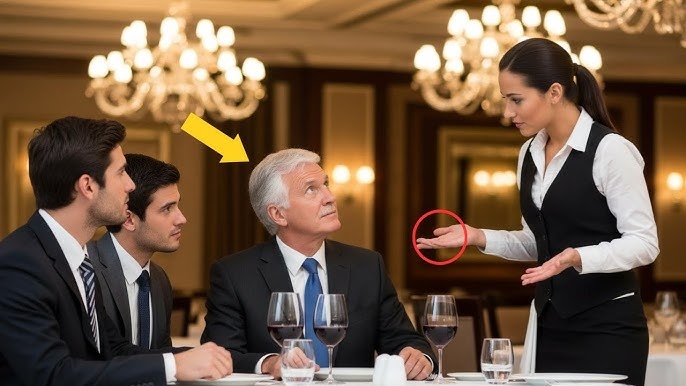
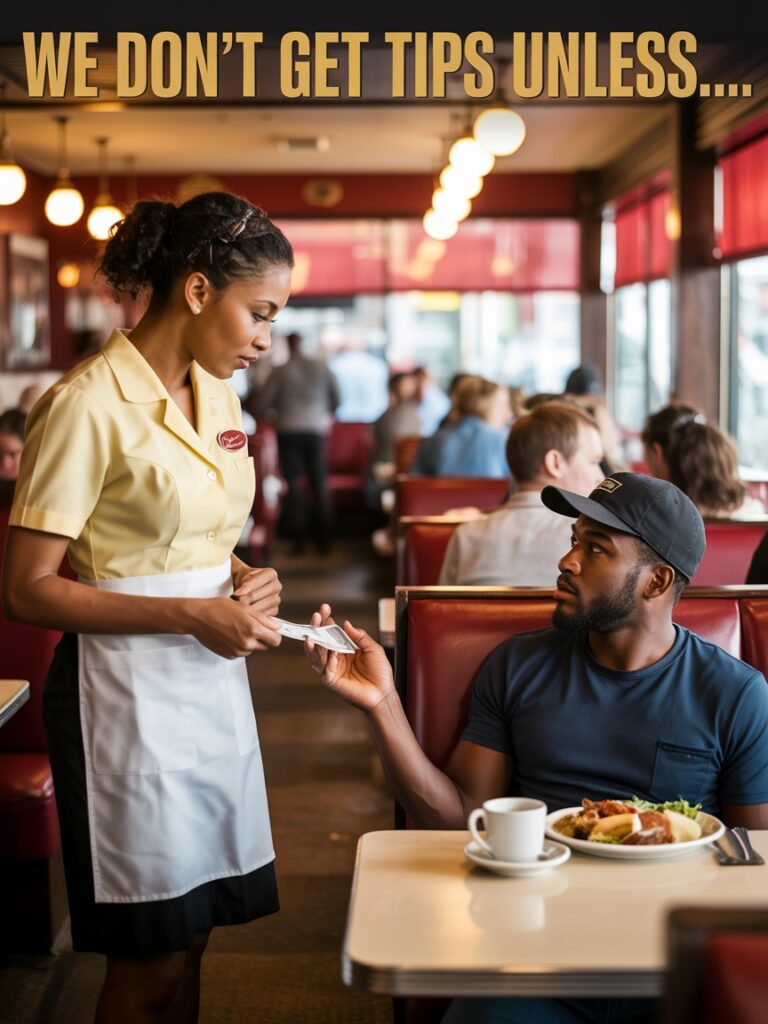
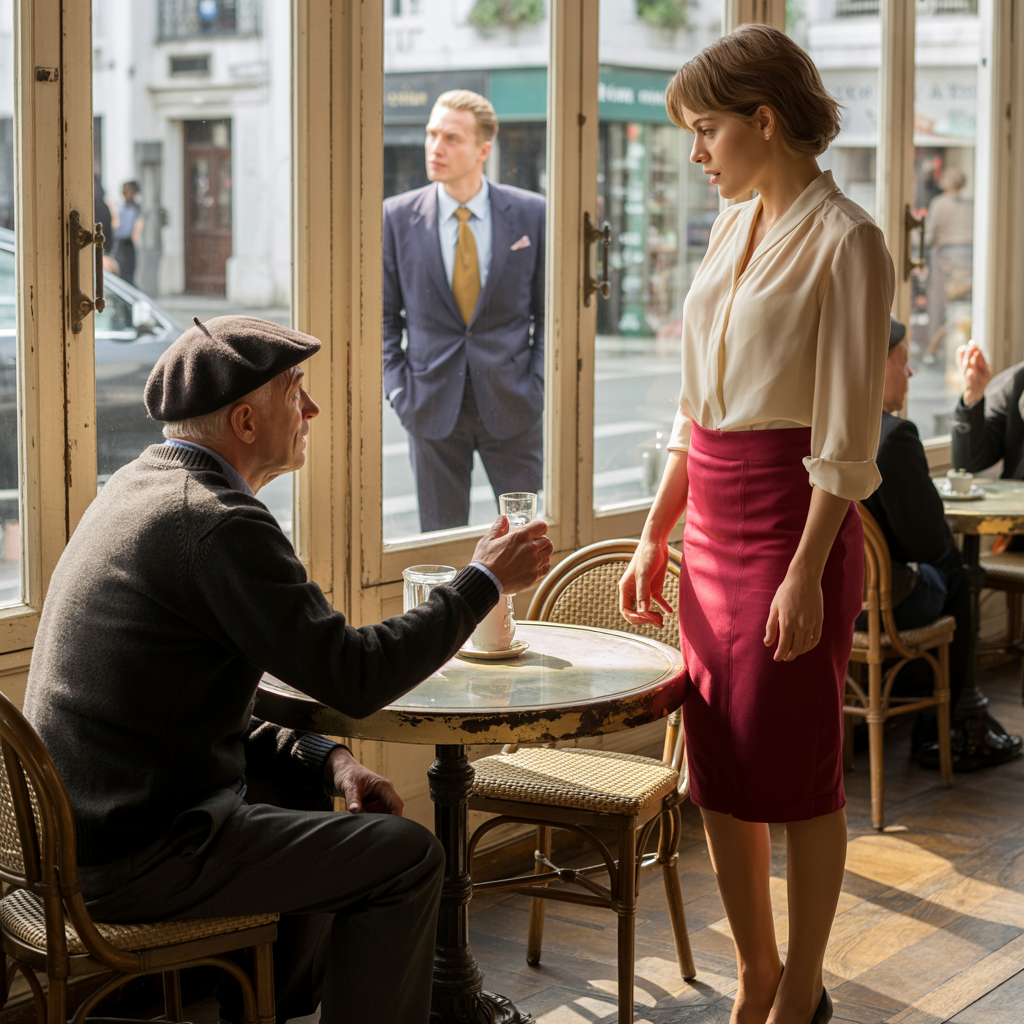
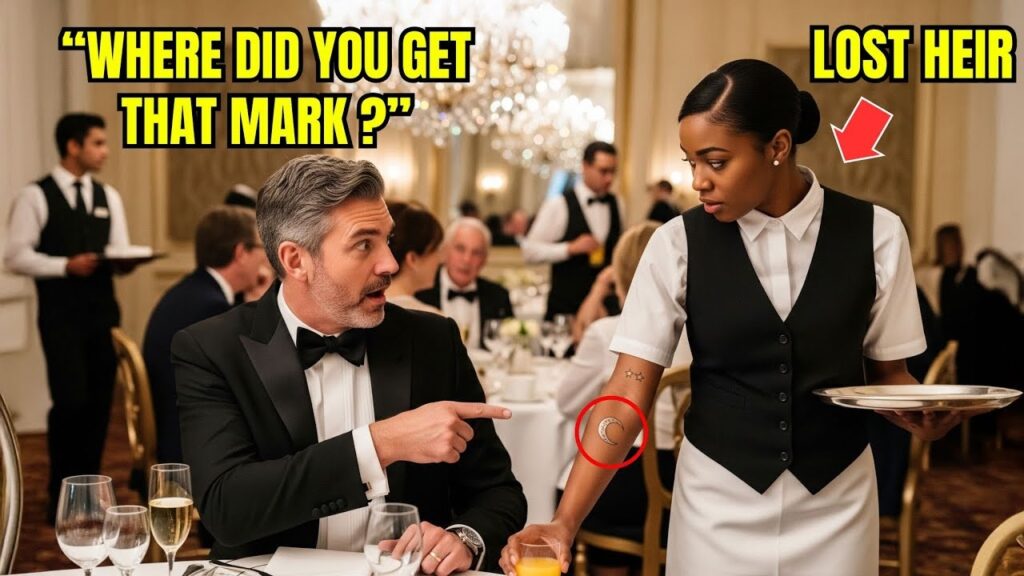
She approached table 9 where Kareem al- Najar himself sat surrounded by power, wealth, and polished cruelty. And that’s where it all began. It started the way most cruelty does, quiet, casual, dressed up as humor. Aaliyah approached table 9 with the same calm she always carried. Her tray was steady, her expression neutral, her eyes focused on the task. She placed a folded linen napkin at each setting, making sure the edges lined up perfectly.
She had learned over time that precision made her invisible. That if she didn’t leave a single thing out of place, people wouldn’t look too closely. But that didn’t stop the first comment from coming. “Look at her hair,” one woman whispered, “just loud enough.
She was dressed in champagne silk, her blonde curls perfectly sculpted by someone paid $1,000 an hour.” She turned to the man beside her with a smirk. It’s like she’s hiding a bird’s nest in there. The man chuckled. Aaliyah said nothing. She had heard worse. Another guest leaned in, swirling his wine, eyeing Aaliyah like she was part of the decor.
Think she understands anything we’re saying? He asked in a voice that was meant to be heard. Probably just yes, sir. And right away, someone replied. The laughter that followed was sharp, designed to pierce. Aaliyah kept moving. She refilled the water glasses, adjusted a knife that had shifted slightly, and nodded politely when no one met her eyes. Then Kareem spoke. He was reclining back in his chair, his tie loosened, wine in hand.
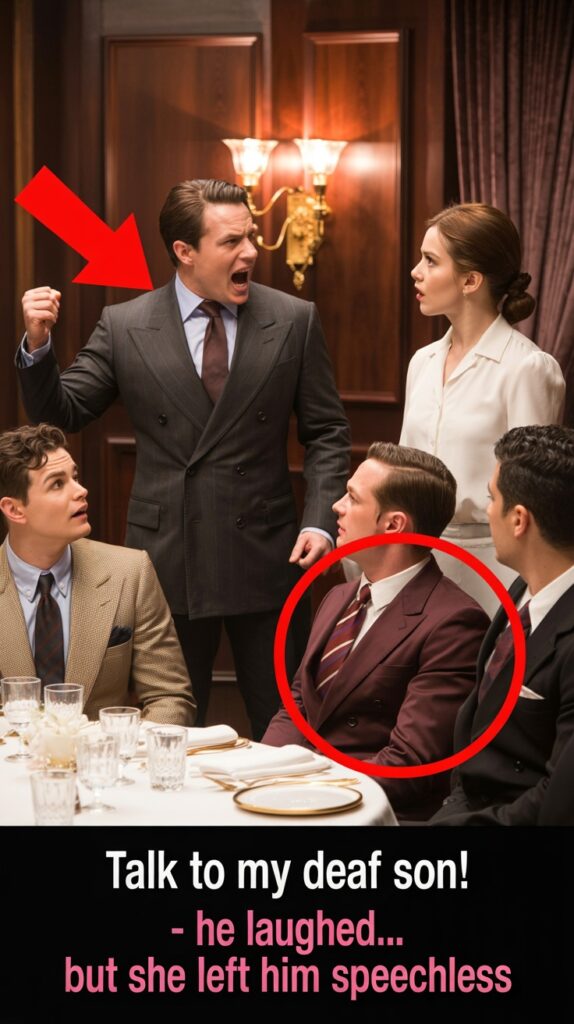
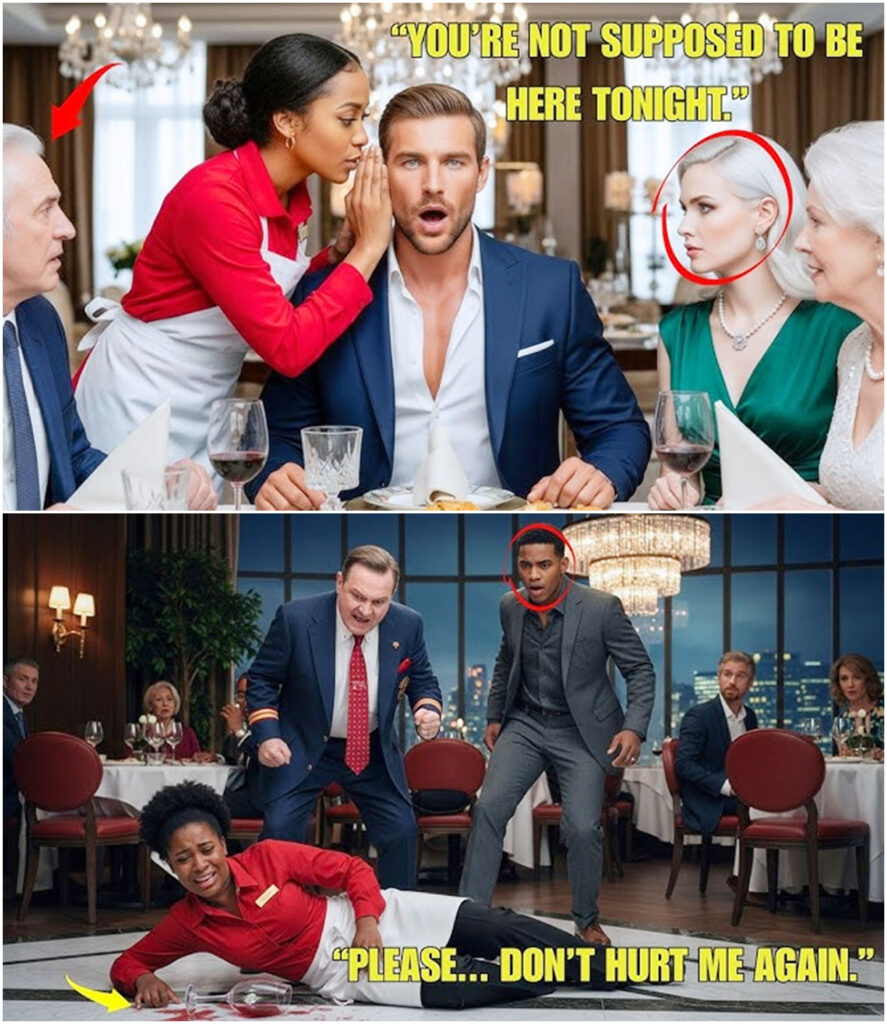
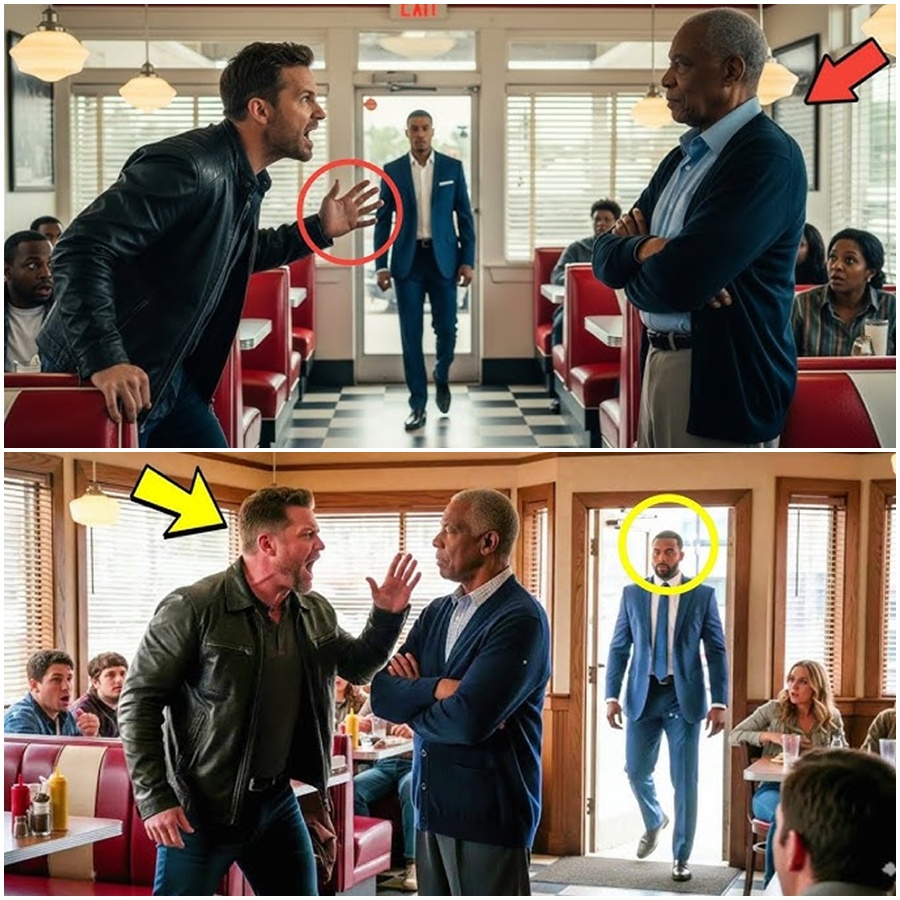
His voice was smooth, but heavy with disdain. He said something in Arabic, and the table exploded into laughter again. But the words weren’t just a joke. They were targeted. He had looked directly at Aaliyah and said, “This one, she’s like the help back home. You dress them up. Let them carry Crystal, but they still walk like they’re in the fields.” The line hit like a slap.
Not just to Aaliyah, but to everyone who understood, and yet the room didn’t gasp. No one stopped him. They laughed loud, fullthroatated, teeth bearing laughter. Aaliyah paused, her tray still in her hand. She felt the blood in her ears, hot and roaring, but her face didn’t change. She had learned how to wear calm like armor.
She turned slightly, set down the wine glass beside Kareem’s plate, and straightened. Her voice, when it came, would not be loud, but it would be unforgettable. Aaliyah placed the final glass on the table with steady hands, though her pulse was pounding hard enough to echo in her ears.
Her back was straight, her chin slightly raised, not in defiance, but in dignity. For a moment, she stood still, letting their laughter settle like smoke after a fire. The room didn’t notice. Not yet. Then she turned her head. Her eyes met Kareem Al- Najars, calm and unblinking.
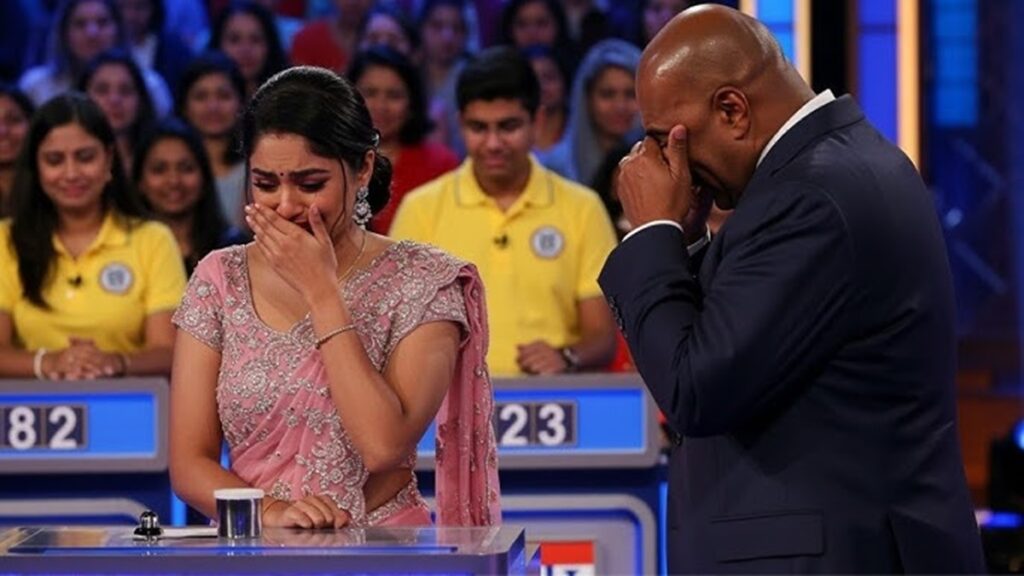
He smirked again, clearly assuming she had no idea what he just said, that she, like many before her, would swallow the insult, smile through it, and retreat into silence. She didn’t. In perfect, polished Arabic, older, more classical than the street dialect Kareem had used. Aaliyah spoke. The crystal does not lower the one who holds it. It only reflects the dignity of the one who drinks from it.
The room fell quiet. Karine’s smile vanished, his glass hovering midair. The wine inside barely swayed as if time itself had paused to listen. The woman in the champagne dress blinked, confusion spreading across her face like a stain. The man beside her coughed into his napkin, his laughter caught in his throat. No one moved.
No one spoke because the words hadn’t just been beautiful. They had been intentional, clear, fluent, and impossible to dismiss. Kareem tried to recover, his jaw tightening, but something in his eyes flickered. Recognition, maybe even fear. He knew that Arabic. He knew that tone. And he knew she hadn’t just memorized a phrase. She understood all of it. Aaliyah didn’t raise her voice. She didn’t need to.
Her silence after the sentence spoke even louder than the words themselves. She bowed her head slightly, not in submission, but as a final gesture, a closing statement with no rebuttal. She turned and moved to the next table, leaving a trail of stunned silence behind her. Around the ballroom, whispers started, soft at first, cautious.
Did she just speak Arabic? Perfectly. Who is she? Leila Almagar, Kareem’s daughter, stared across the table, her gaze fixed on Aaliyah like she was watching a myth unfold in real time. She didn’t say a word, but her hand slowly unclenched from her napkin, and her expression shifted from discomfort to something that looked dangerously close to admiration. And somewhere in the back of the room, the balance of power quietly began to shift.
The truth about Aaliyah Brooks wasn’t something she wore on her sleeve. It lived quietly in the folds of her memory, stitched between sacrifice and silence. Most people never saw past her apron, her calm demeanor, her precise way of pouring a glass or clearing a table.
But if you had looked closer, you might have noticed the way she pronounced names, how she adjusted her posture when she overheard a foreign accent, or how she paused ever so slightly when someone misused a word. Because Aaliyah wasn’t just a waitress. She had once been a scholar, a rising star in the world of language and international relations.
At 20, she stood on a stage at a national conference delivering a speech in five languages. Journalists wrote about her like she was the future of diplomacy. Her name was mentioned in the same breath as road scholars and fullulbright recipients. Her dream had always been simple, to speak for those who couldn’t. to sit at the table where decisions were made and ensure no voice was left unheard because of language.
That dream carried her through long nights of study, translation competitions, and a relentless pursuit of precision. But then her mother got sick. Stage four lung cancer. It sprint fast, too fast. The kind of diagnosis that stops everything else in its tracks. Aaliyah left her fellowship the same day she got the call. She didn’t wait for permission.
There was no time for negotiation. The scholarship board tried to convince her to stay, promising they’d hold her place, but she couldn’t. Her mother was her world. Every book she’d ever read, every word she had mastered, it all began with her mother’s voice at bedtime, reading aloud in Arabic, in French, in Spanish, in English.
She spent the next 3 years as a full-time caregiver, working whatever jobs she could find to pay for treatment. The languages never left her, but they became quieter, tucked behind grocery lists and medical forms. After her mother passed, Aaliyah didn’t return to the classroom. She didn’t need accolades anymore. She just needed to survive. Los Angeles was expensive. Rent was relentless.
But the restaurant paid well enough, and the silence gave her space to heal. She thought that part of her life, the scholar, the speaker was behind her. until tonight. Until Kareem gave her a reason to remember who she truly was. The silence that followed Aaliyah’s first response had wait. It settled over the table like a thick fog, heavy and still.
Some guests shifted in their seats, uncomfortable with how quickly the tone of the evening had changed. Others stared at their wine glasses, trying to pretend they hadn’t laughed just moments earlier. But not everyone was ready to surrender. One of Kareem’s associates, a man named Victor Maro, leaned forward with a smirk playing on his lips.
He was a well-known economist, the kind who filled lecture halls and morning news segments. “Always the clever one, always the skeptic. She’s got a poetic tongue,” Victor said, tapping the edge of his glass. “But let’s see if she can do more than recite pretty lines.” Kareem didn’t stop him. In fact, he nodded slightly like he welcomed the distraction, like he needed someone else to chip away at the attention now circling Aaliyah.
Victor switched to Arabic, not the casual dialect, but something formal and dense. Tell me, he asked, do you believe the economic boom in the Mugre region is sustainable, or is it simply another bubble inflated by foreign interests and short-term infrastructure deals? The question wasn’t just difficult.
It was slayered, academic, a trap disguised as curiosity. A few guests leaned in, curious, expecting her to stumble, to reveal herself as a fluke. Aaliyah turned slowly toward Victor, her eyes calm, her face unreadable. She didn’t rush. She didn’t fumble. When she answered, her voice was soft but deliberate. and Arabic so polished, so deeply rooted in knowledge that it made the hairs on some necks stand up.
She dissected the question piece by piece, cited recent trade data, quoted a World Bank report from 2 months ago, even referenced historical patterns of postcolonial growth in North Africa. Her analysis was sharp, factual, and laced with subtle commentary that only someone with real experience would know how to deliver. Victor blinked.
Then he nodded once slowly. “Impressive,” he muttered in English. “Across the table, a diplomat cleared his throat, clearly startled. “That was not what I expected.” Kareem said nothing, but his hand tightened slightly around the stem of his wine glass. For the first time all night, Aaliyah wasn’t seen as the help.
She wasn’t seen at all in the way they had intended. She had flicked the room and no one could put her back where she came from. Aaliyah stood still for a moment, letting the room absorb her words. The echoes of her analysis hadn’t faded, but she could feel the shift. Eyes that once skimmed over her were now locked in place, curious, unsettled. Then she reached into her apron.
It wasn’t a dramatic move. It wasn’t meant to be. But the simple gesture carried a weight that pulled every gaze toward her. From the inner pocket, she withdrew a small worn envelope. Its edges were frayed. The paper slightly yellowed, but the seal was unmistakable. Embossed gold, the logo of Alajar Energy Group.
The moment Kareem saw it, something in his expression cracked. “I found this again last week,” Aaliyah said quietly. Her voice was steady, but beneath it ran years of unspoken history. I wasn’t sure why I kept it. Maybe to remind myself, it happened. She held the envelope up, not like a trophy, but like a memory. It’s a letter, she continued.
A formal invitation, a scholarship offer for a summer mentorship program signed by Kareem Al- Najar himself. Dated 4 years ago. The gasp wasn’t loud, but it moved through the room like wind across tall grass. “I earned it,” she added. “Back when I was the top language student in my department. I was meant to study under the best until life shifted.
She didn’t say what happened. She didn’t need to.” The envelope said enough. Karine’s face was blank. No words came. He stared at the letter like it was a ghost from a past he had no memory of but knew he had shaped. “I never accepted the offer,” Aaliyah said, her tone calm without accusation. “My mother fell ill before I could reply.
But I always wondered if I had shown up to your office then, dressed like I am now, would you have opened the door?” Silence. No one moved. No one laughed. Because that question, it wasn’t rhetorical. It was a mirror, and it reflected every assumption, every prejudice, every quiet decision to judge someone by what they wore, where they stood, or what they served.
Aaliyah gently folded the envelope again and slid it back into her pocket. Then she went back to work. But the room wasn’t the same, and neither was she in their eyes. The silence that followed Aaliyah’s words wasn’t just awkward. It was charged. It hummed under the golden chandeliers and curled into the folds of every expensive tablecloth. For the first time all night, no one reached for a wine glass.
No one dared speak until Leila, Kareem’s daughter, sat still for a moment, her fingers twisted in her lap. She looked nothing like her father in that moment. No arrogance, no calculated charm, just wide, steady eyes and a weight in her chest she could no longer ignore. She stood, her chair scraped softly against the polished floor, the sound delicate but firm enough to break the stillness.
She walked around the table slowly, purposefully, and stopped beside Aaliyah, who had just refilled another glass without a word. Everyone watched. I want to apologize, Ila said quietly. To you. Aaliyah turned, unsure at first if Ila meant it. But her voice didn’t waver. Her posture didn’t shift. This wasn’t performative. This was personal.
I’ve been in rooms like this my entire life. Ila continued. I’ve seen people dismissed for how they look, how they speak, how they stand. And I said nothing. That makes me guilty, too. A murmur rolled through the crowd. Guests exchanged glances, some startled, some unsure what to do. Then, unexpectedly, a woman at a nearby table stood.
She wore a navy blue dress and a diplomatic badge pinned just beneath her collarbone. “She’s right,” the woman said. “Too many of us sit quiet while the room gets colder.” She crossed her arms, not defensively, but as someone reclaiming control. One by one, others followed. A silver-haired man in a tailored suit nodded slowly and stood.
A younger woman at the edge of the room rose as well, hands clasped together, gaze locked on Aaliyah with quiet admiration. Even a well-known actor, seated discreetly at the back, stood with a slight bow of respect. It wasn’t everyone. Some guests stayed seated, stiff and offensive, their smiles tight. But the room had tilted. The laughter that once filled the air had turned to reflection. The smirks had been replaced with questions.
And in the middle of it all, Aaliyah stood not as a servant, but as a symbol of grace, of power withheld, of truth finally spoken aloud. She hadn’t asked for this support. She hadn’t needed a savior. But the fact that it came, that people finally saw her, meant everything. Even after everything Aaliyah had said and done, not everyone in that room was ready to change.
Power does not surrender easily, and ego is the last thing to sit down. At the far end of the table, a man in a crisp white dinner jacket crossed his arms and leaned back in his chair, unimpressed. He smirked, glancing around the table as if waiting for others to follow his lead. “She speaks well,” he said, his voice dry. “But so do parrots.
” The comment landed with a dull thud, but a few nervous chuckles followed. The kind that linger after a joke no one wants to claim. Across the table, someone whispered, “It’s just an act.” “Watch!” Shield slipped up. Kareem, still seated, tried to collect himself. His pride, already bruised, pushed him to reclaim control.
He cleared his throat loud enough to draw attention back his way. “Let us not get carried away,” he said. This is still a waitress, a talented one perhaps, but she serves drinks, not policy. There it was, the final attempt to shrink her back into silence. The insistence that brilliance wrapped in an apron couldn’t possibly matter. Aaliyah didn’t respond with words.
She didn’t need to. She placed a cloth napkin beside another plate, folded with care and precision. Her posture never changed. Her silence was louder than anything Kareem had said. And yet, the arrogance lingered in the air. You could feel it, stubborn and sour. It wasn’t just Kareem. It was every person who had laughed earlier and now sat stiff with guilt, but too proud to say it out loud.
Still, even in that moment, something had cracked. The smirks were tighter now, the laughter less sure. The old rules were still standing, but they were shaking. Aaliyah kept working, her face composed, her movements steady, but there was a new kind of attention following her now. Not the dismissive glances from before. This was different.
It was the look people give when they realized they just underestimated the wrong person. And they were still trying to decide what that meant for them. Just when the tension in the room seemed to settle into a low, uneasy hum, a small voice cut through it. not from Aaliyah, but from Ila.
She reached into her clutch, hands shaking slightly, and pulled out something unexpected. A folded piece of paper, soft from years of being handled. She stood again, this time more assured, and held it in both hands. “This,” Ila said, her voice louder than before, belonged to my mother. She was a professor of linguistics before she passed. She kept records, notes, letters. One of them was about you.
Aaliyah looked at her surprised, her expression guarded but curious. Ila unfolded the page carefully and began to read. Miss Aaliyah Brooks, exceptional linguistic ability, gifted in Arabic, French and Swahili displays not only talent but poise under pressure. Recommending her for advanced mentorship. She paused, her voice trembling just slightly. Written and signed by Professor Naen Al-Nagar.
Gasps rippled across the room. The name carried weight. Professor Naen had been renowned both as an academic and as the late wife of Kareem. Kareem’s face went pale. His hand dropped from his glass. “My mother remembered you,” Ila said softly. She believed in you, even when no one else in this room knew your name.
For a moment, no one breathed. Aaliyah stood completely still. Her fingers curled slightly around the edge of her tray. She didn’t smile. She didn’t gloat, but something shifted in her stance like a burden lifted from her shoulders, just slightly. Ila folded the letter again and approached Aaliyah. She didn’t offer it as proof.
She offered it as peace. Aaliyah accepted it with a nod. Then she turned back to the table. Would anyone care for more sparkling water? She asked, her voice smooth, her tone professional. It was a simple question, but it landed like a declaration because in that moment, no one at that table could deny who she was.
Not a waitress, not a servant, a woman of honor. and the proof was no longer in her words. It was in the legacy she carried. By morning, the story had exploded. Someone at the gala had filmed the moment on their phone. The video, grainy, unedited, raw, showed Aaliyah’s calm rebuttal in Arabic and the stunned silence that followed.
By dawn, it was on social media, shared under hashtags like #speak withdignity, #aliyah brooks, and # blackstory. It caught fire. Within 12 hours, the clip had crossed 5 million views. Celebrities reposted it. Journalists dissected it. Activists praised it. Memes and quote cards popped up like wildfire and the comments, they poured in.
She said what we’ve all been dying to say. The way she carried herself, chills. This woman is a national treasure. But it wasn’t just admiration. There were consequences. Kareem Al- Najar’s name was suddenly everywhere and not in the way he was used to. The backlash was swift. Board members of Al-Nar Energy Group called an emergency meeting. By evening, they released a statement.
We are reviewing the incident with the utmost seriousness and sensitivity. Sponsors pulled out of his upcoming development deal. A prominent women-led investment firm issued a public letter refusing to work with him. Media outlets unearthed old interviews and began questioning his long-standing behavior. He wasn’t cancelled, not overnight.
But the shine was gone. The myths had cracked. Clips of Aaliyah’s words were dugged into different languages. Aired on International News. an education nonprofit launched a scholarship fund in her name within 48 hours dedicated to supporting young women of color in language and diplomacy programs. Aaliyah never posted a thing. She never gave a press conference.
She showed up for her next shift just like always. Reporters waited outside the restaurant. Fans left thank you notes, flowers, even children’s drawings at the host stand. One little girl left a picture of a superhero with curly hair holding a tray like a shield. The manager tried to give Aaliyah time off. She refused. “I didn’t do it to go viral,” she said quietly.
“I just didn’t want to be silent anymore. And that truth, her truth, was what made everything resonate. Because while the world debated the politics of power and language, Aaliyah had already spoken her peace. And somehow, in a world so loud, it was the quiet of her dignity that made the world listen. A week passed. The news cycle began to shift.
Another scandal, another headline. That’s how the world works. But for those who had seen it, felt it, lived through that night at the Rosemont Grand. Something had changed for good. Aaliyah returned to work like always. Same uniform, same quiet grace. She didn’t walk any taller, but people moved differently around her now.
Colleagues who once called her the quiet one now nodded with a different kind of respect. The kitchen staff, mostly immigrants like her mother had once been, started calling her professor. The restaurant manager offered her a promotion. She politely declined. “I’m not looking to climb,” she said. “I’m just trying to stay steady.” Then one afternoon, Ila returned.
She arrived without fanfare, dressed simply in jeans and a blouse. She sat at the bar and waited until Aaliyah came around. In her hands, Ila held a small notebook. “It belonged to my mom,” she said. She kept notes about everyone she mentored, even the ones she never got to meet in person. “She had a page for you.
I thought you should have it.” Aaliyah took it slowly. She didn’t open it. Not yet. Some things deserve to be read in silence. Ila smiled. My mom used to say that some people carry words like armor. You didn’t just carry them. You used them. Aaliyah nodded, her voice low. Your mother was the first person who saw me.
Before anyone else knew I was here. Outside the restaurant. A child passed by holding her parents’ hand. She pointed through the glass and whispered, “That’s her. That’s the lady who speaks all the languages.” Aaliyah smiled gently. Not everything needed a grand ending. Not every victory came with confetti and a parade.
Sometimes it looked like a folded letter in your pocket. Sometimes it sounded like silence that finally meant peace. And sometimes it felt like standing exactly where you belonged. Not because someone let you in, but because you knew you had earned it. That was enough. And for Aaliyah Brooks, it always had been. Sometimes dignity doesn’t need a spotlight.
It doesn’t raise its voice or slam its fist on the table. Sometimes dignity just stands quietly, speaks clearly, and waits for the room to catch up. Aaliyah’s story is a reminder that our value isn’t tied to our job title, our wardrobe, or the assumptions people make when we enter a room.
It is tied to how we carry ourselves when we are tested. It’s how we speak when no one expects us to know the language. It’s how we respond when we’re being underestimated. What Aaliyah did wasn’t just about language. It was about truth, about standing in a space designed to overlook her and refusing to shrink. And maybe that’s something we all need to remember. You don’t have to shout to be heard.
You don’t have to break things to make change. Sometimes the most powerful thing you can do is simply know who you are and act like it. So if you’ve ever felt invisible, if you’ve ever had to prove you belonged, if you’ve ever swallowed words you should have said out loud, this story is for you.
And if it resonated even for a second, do me a favor. Leave a comment. Share this with someone who needs it and hit that follow button so you don’t miss the next black story we tell. Because stories like these, they don’t just entertain, they remind us who we are.
News
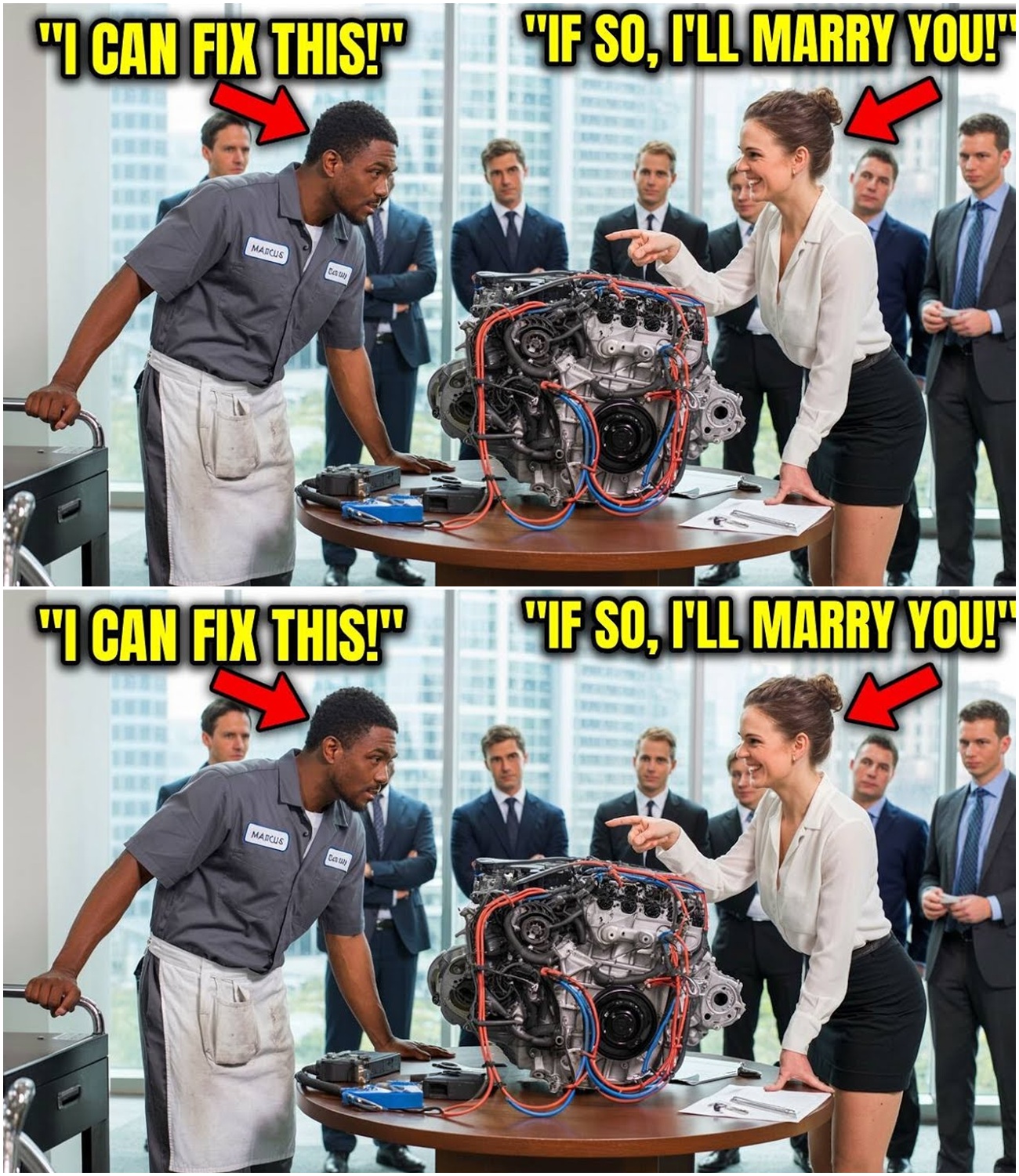
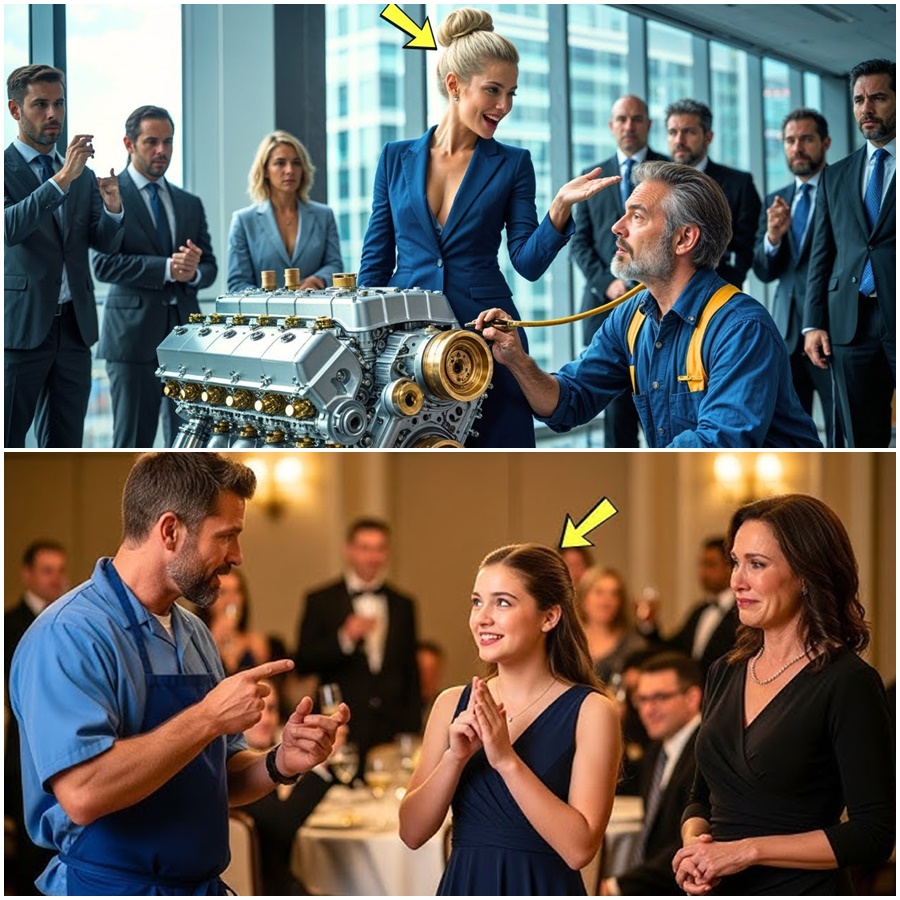
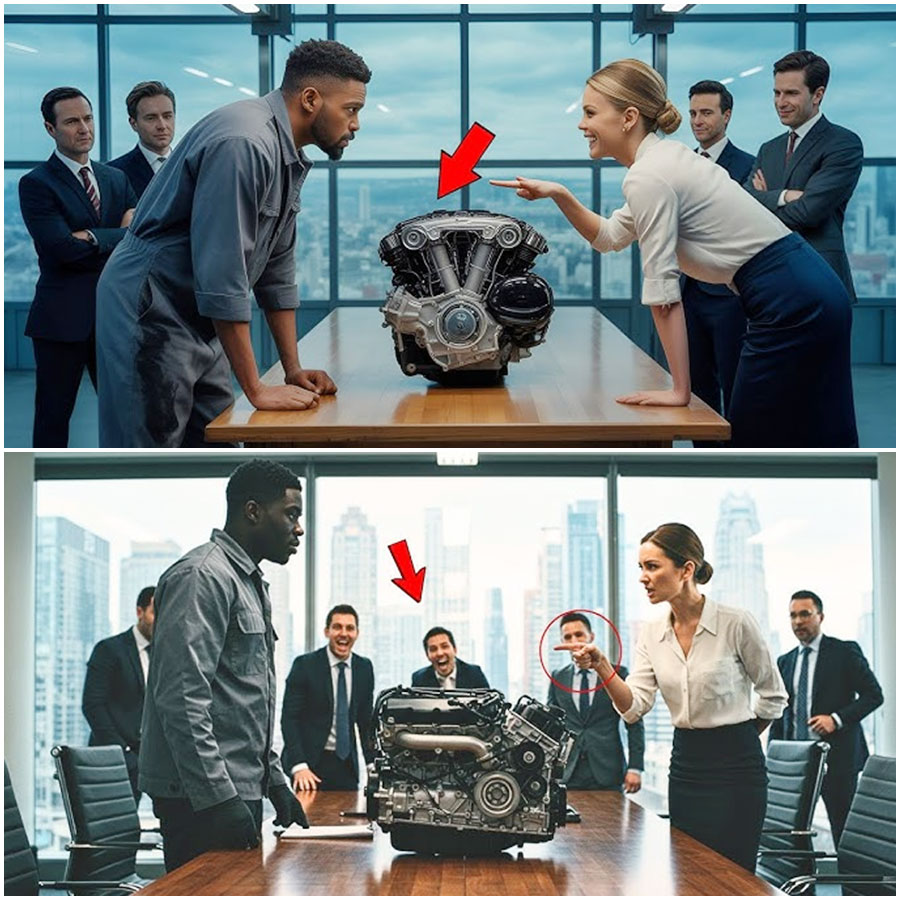
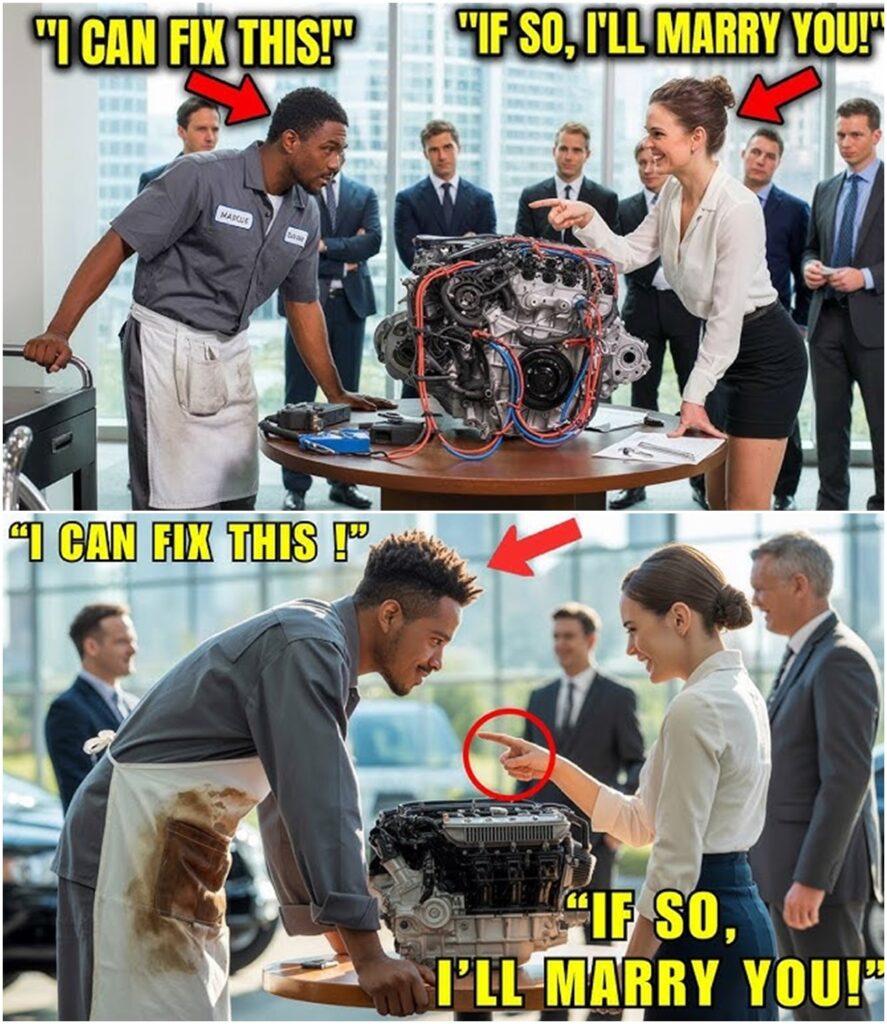
Female CEO Mocked a Black Mechanic: “Fix This Engine and I’ll Marry You” — Then He Did
A billionaire CEO mocked a small town mechanic in front of her entire team. But when he fixed what her best engineers couldn’t, the room went silent. Fix this engine and I’ll marry you. The room went silent for a beat. Not because of the words themselves, but because of who said them. Vanessa Aldridge, […]

The Nurse Finished Her Shift — Then a Helicopter Landed and Soldiers Called Her “Ma’am”
late night outside Saint Helena Hospital nurse Avery Brooks clocked out her exhaustion mirroring her cheap worn jacket a colleague snickered dismissively just a mediocre nurse AS Always Avery pulled her jacket tighter accustomed to the contempt that masked her true identity suddenly the silence was shattered AS a thunderous uh sixty Black hawk helicopter […]
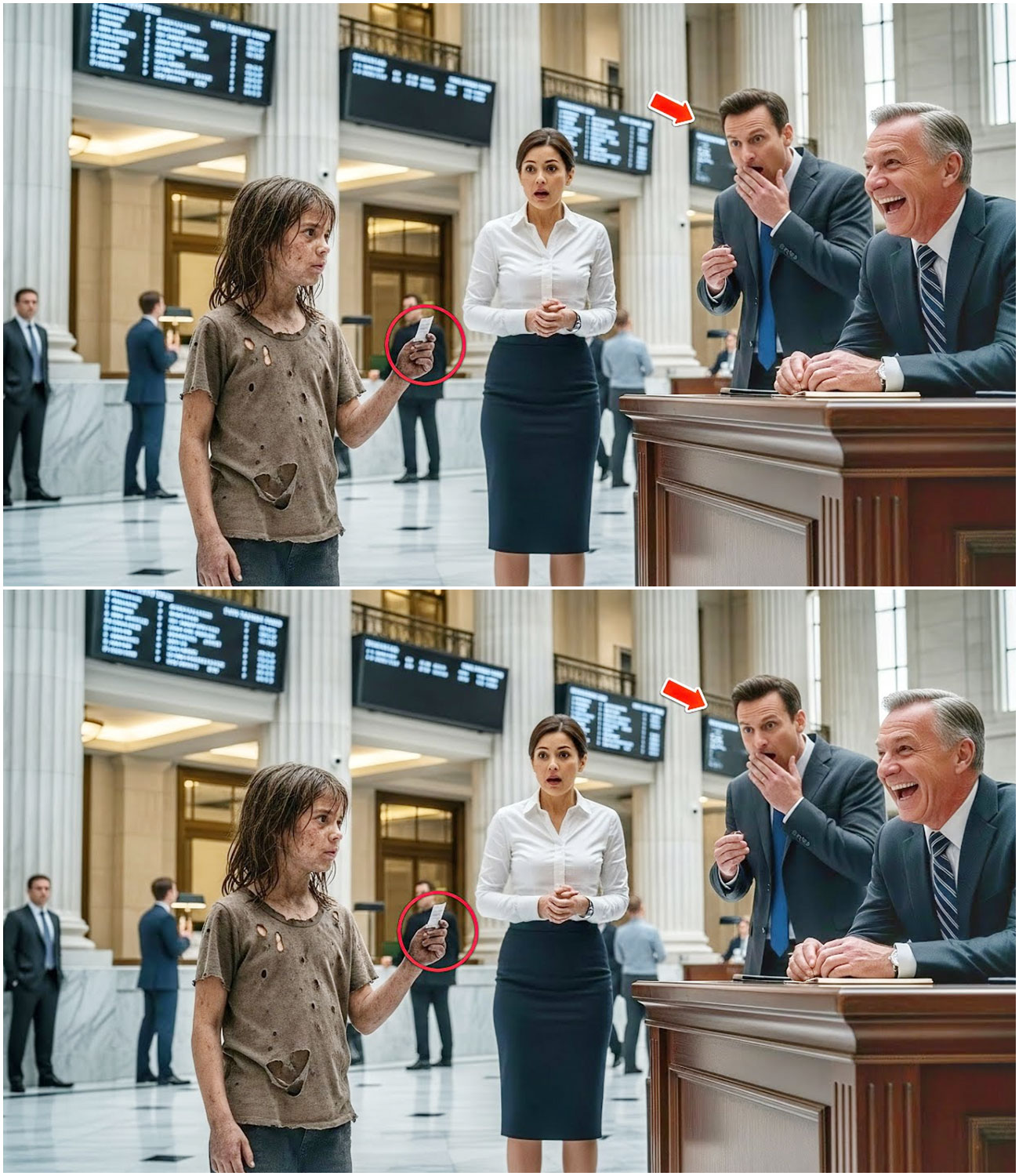
I Just Want to See My Balance,” She Said — The Millionaire Laughed… Until He Saw the Screen
On a bright but chilly morning in the middle of the city’s financial district, where glass towers scraped the sky and expensive cars hummed along polished streets, a little girl with dusty cheeks and tired eyes pushed open the enormous doors of the Grand Crest Bank. Her name was Arya Nolan, and her small hands […]
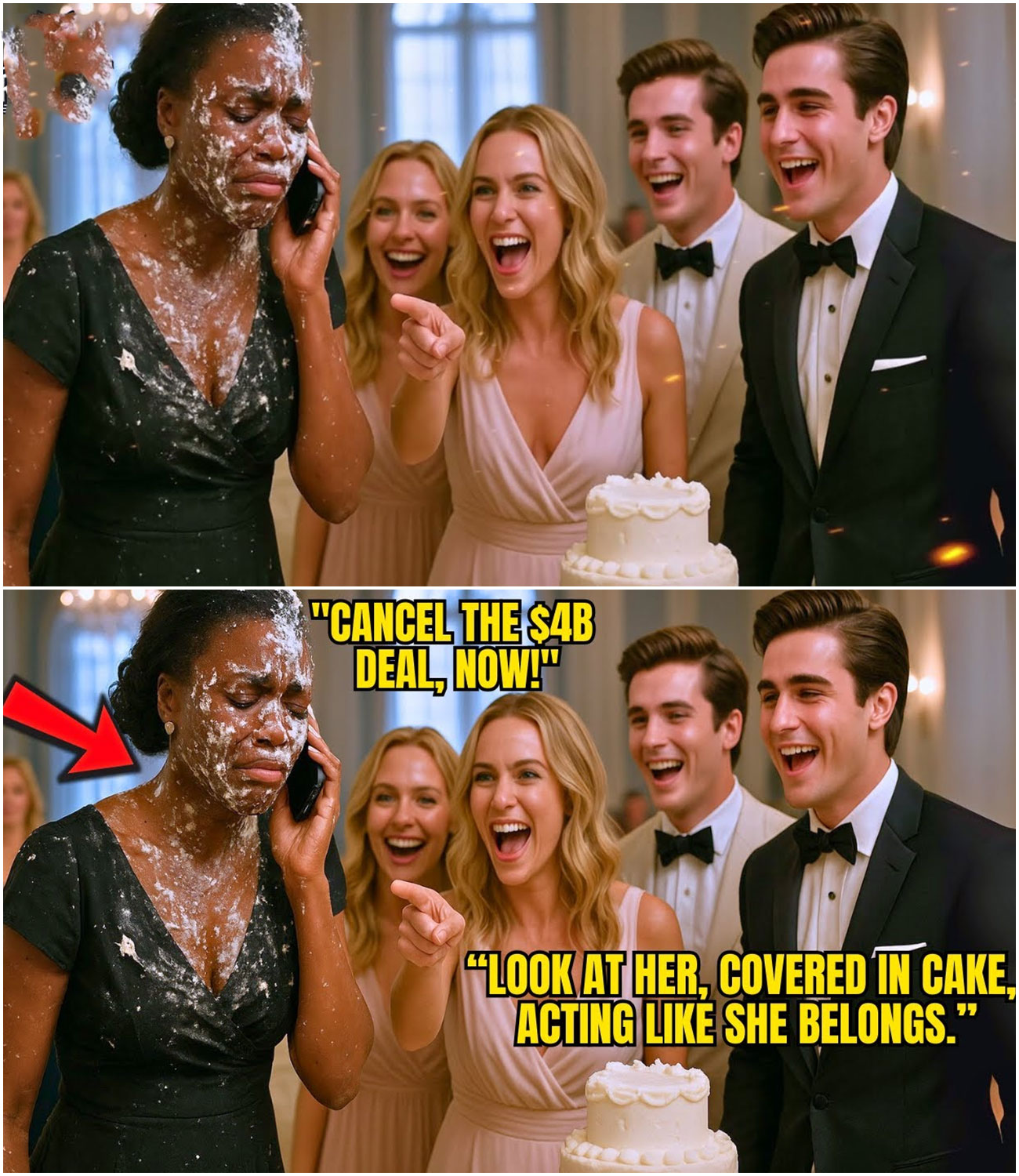
Black CEO Humiliated by White Heiress With Cake, Minutes Later She Ends $4B Deal
Back to the kitchen where you belong. Ghetto trash. The words cracked through the glittering ballroom like glass shattering. Victoria Sterling’s hand slammed a chocolate cake into Maya Washington’s face, frosting exploding across her hair. Her navy dress ruined in front of 300 stunned guests. Phones rose instantly. Gasps filled the silence. Mia didn’t flinch. […]

Bullies Filmed A Deaf Kid Crying Outside Restaurant — Then 40 Bikers Arrived
Teenagers filmed a deaf kid crying outside a restaurant and posted it online for laughs. The video hit 200,000 views by morning. But when one biker saw that boy’s face, he made a single phone call. 3 days later, 40 bikers rolled into that small town and those bullies had no idea what was coming. […]
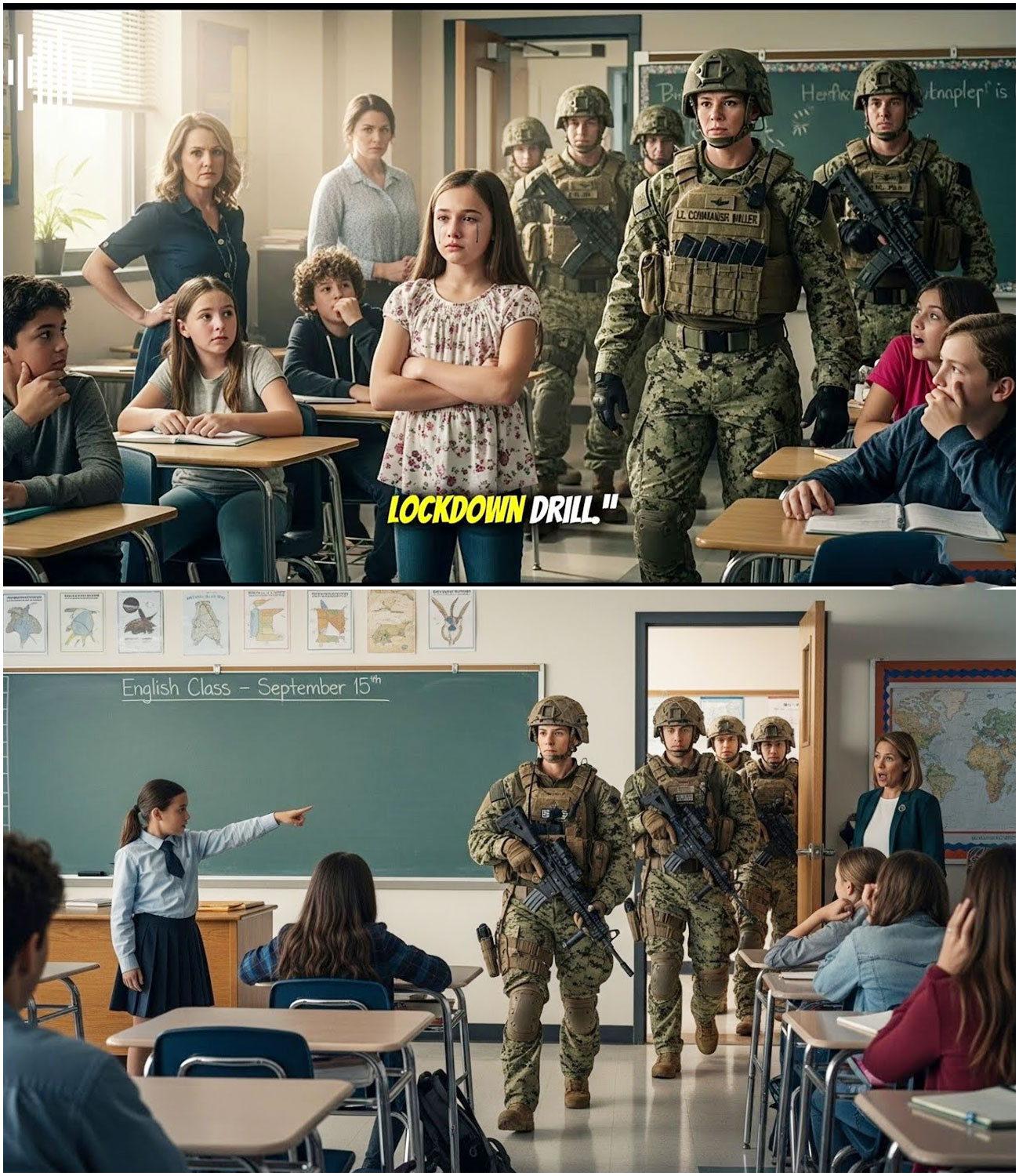
They Called a Girl a Liar for Saying Her Mom Was a SEAL — Then Froze When the Unit Stormed the Room
They called a girl a liar for saying her mom was a seal, then froze when the unit stormed the room. It started in a quiet middle school classroom on a Tuesday morning, the kind of day where nothing extraordinary was supposed to happen. Emily Carter sat at the back of the room, quiet, shy, […]
End of content
No more pages to load