




















































































































































































































































































































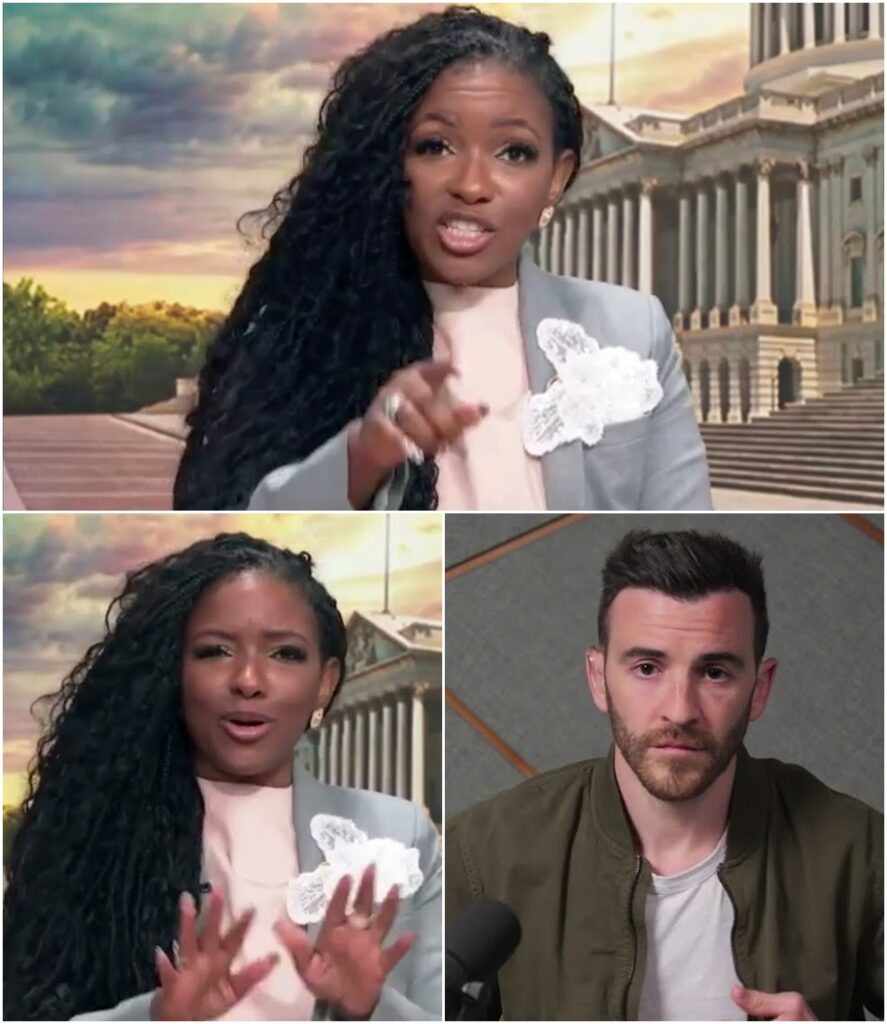




























































































































































































































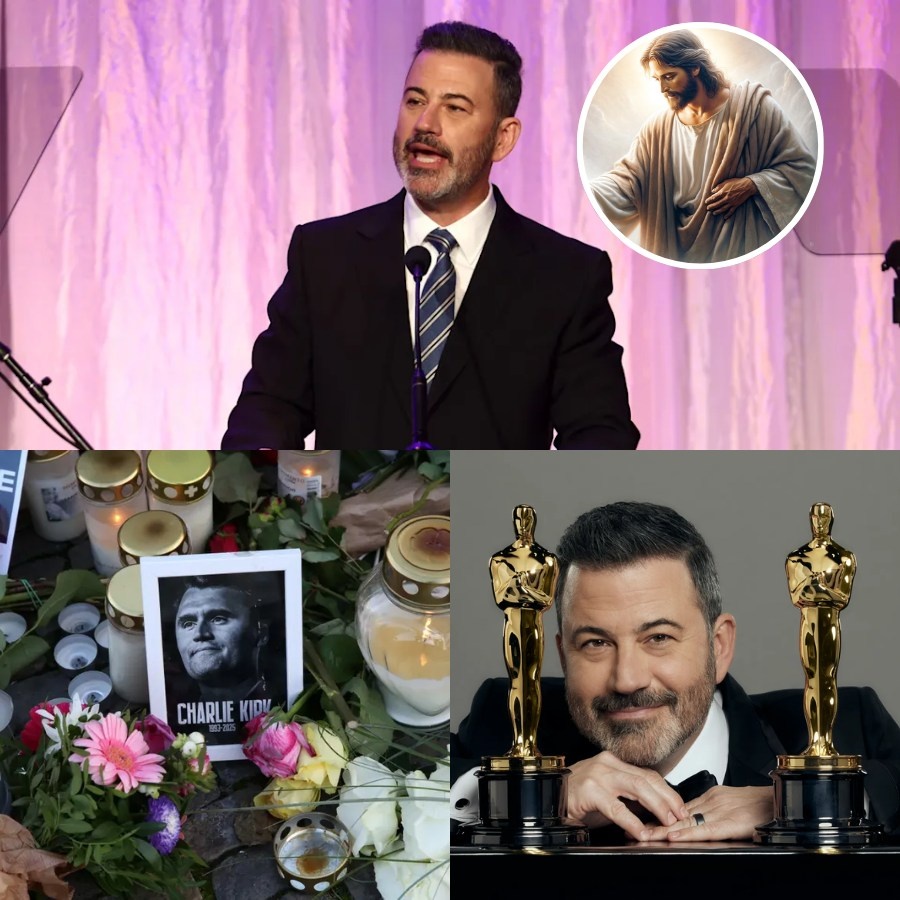



























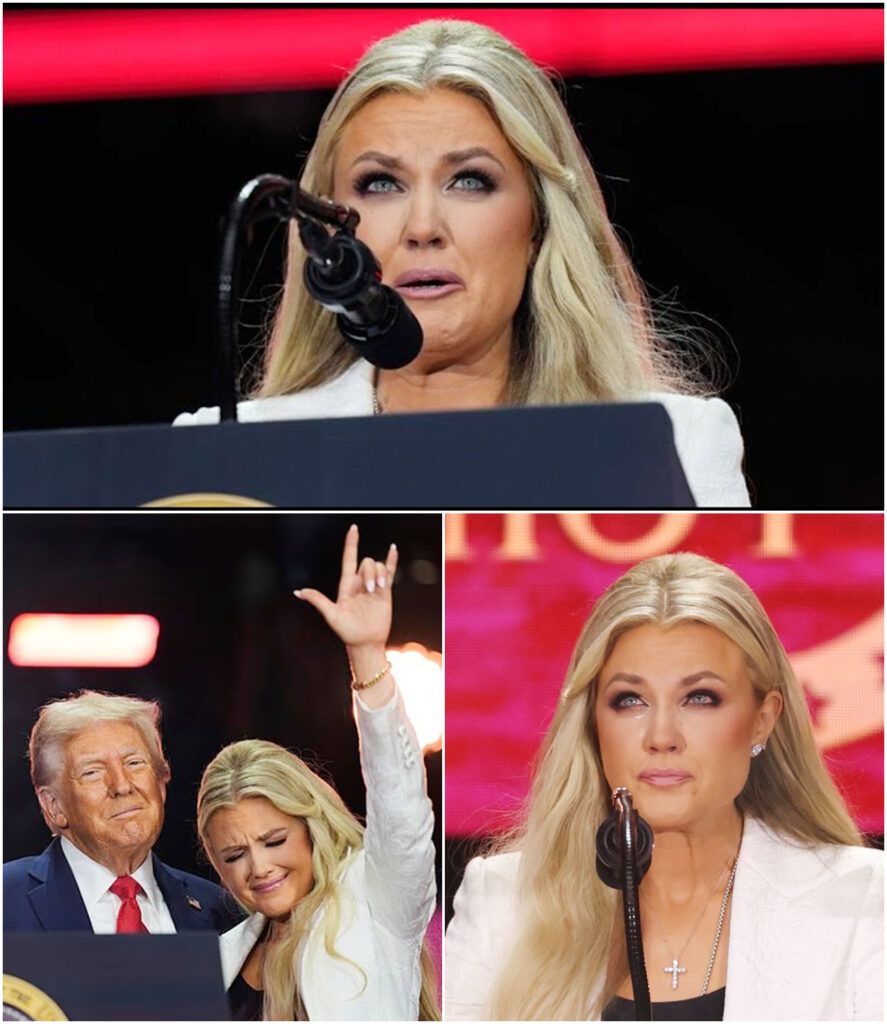























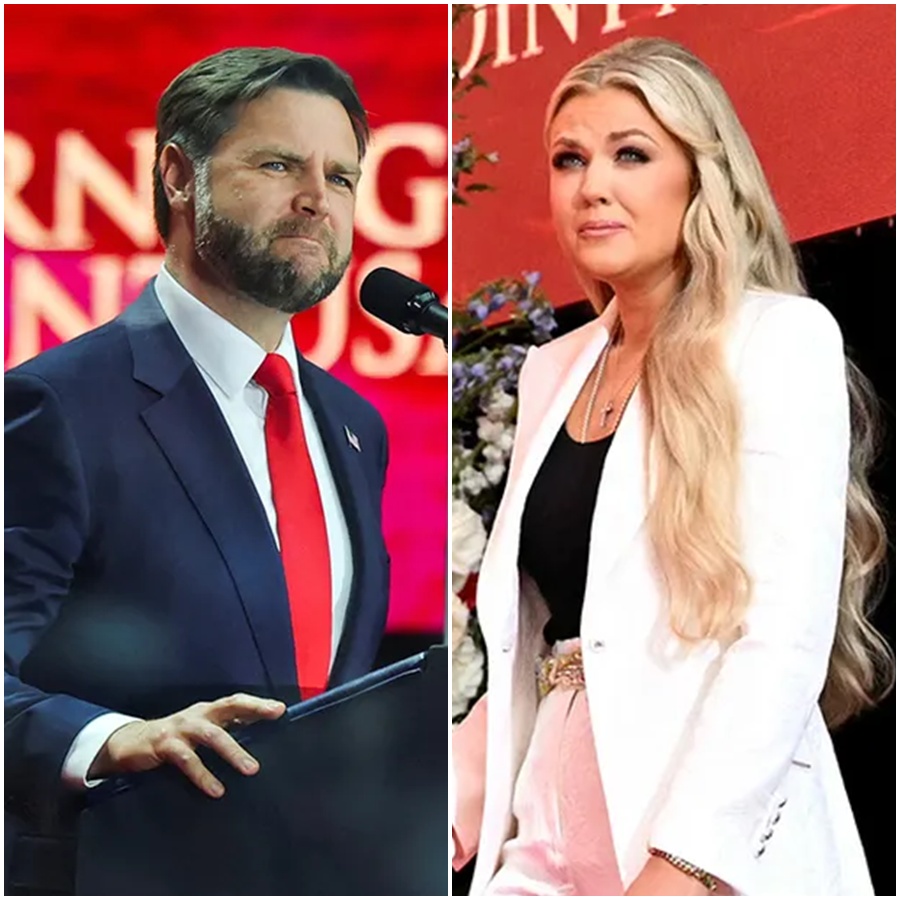

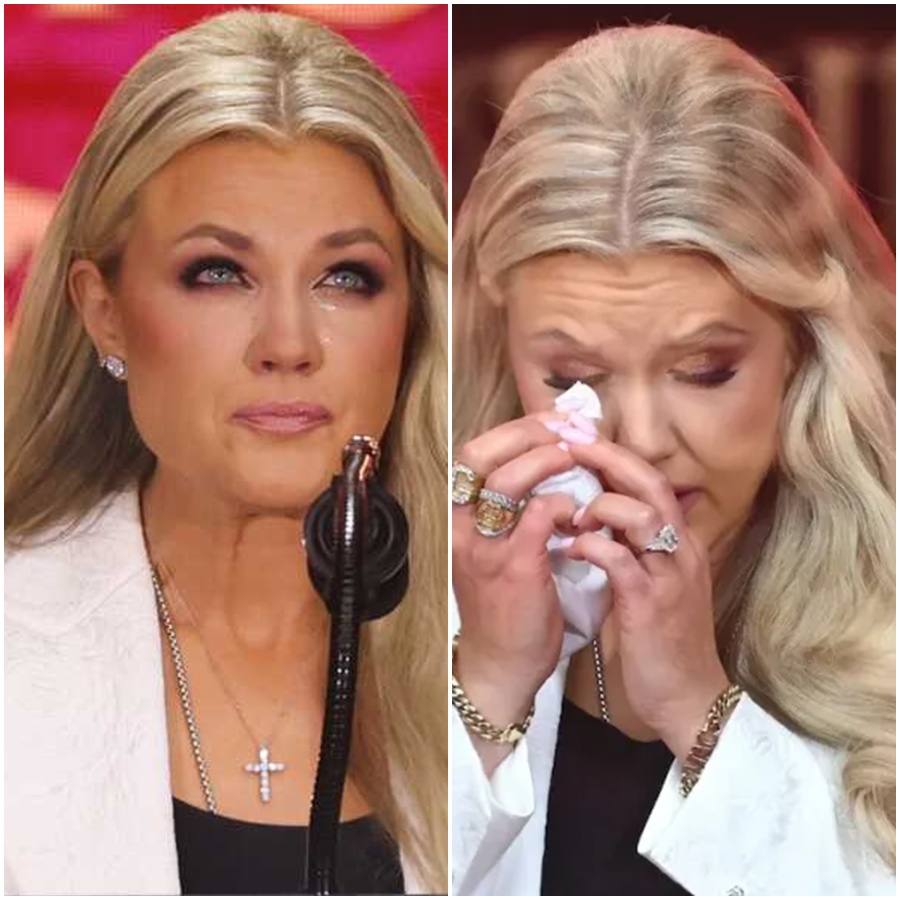


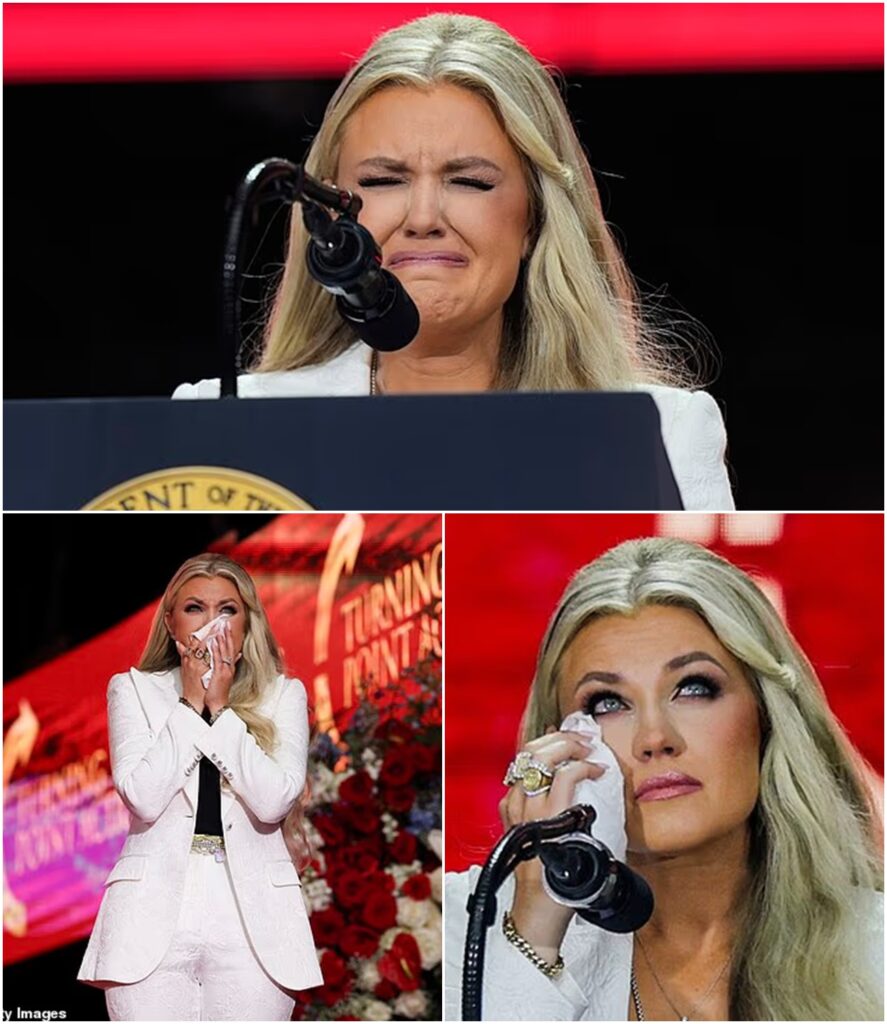
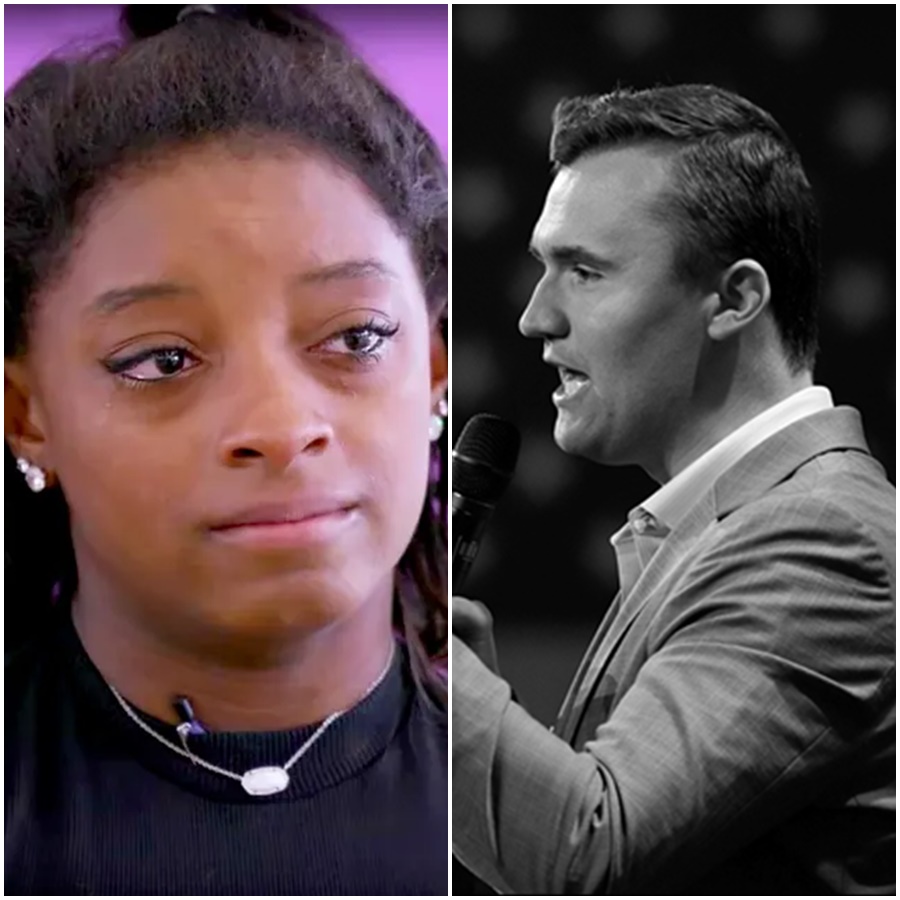
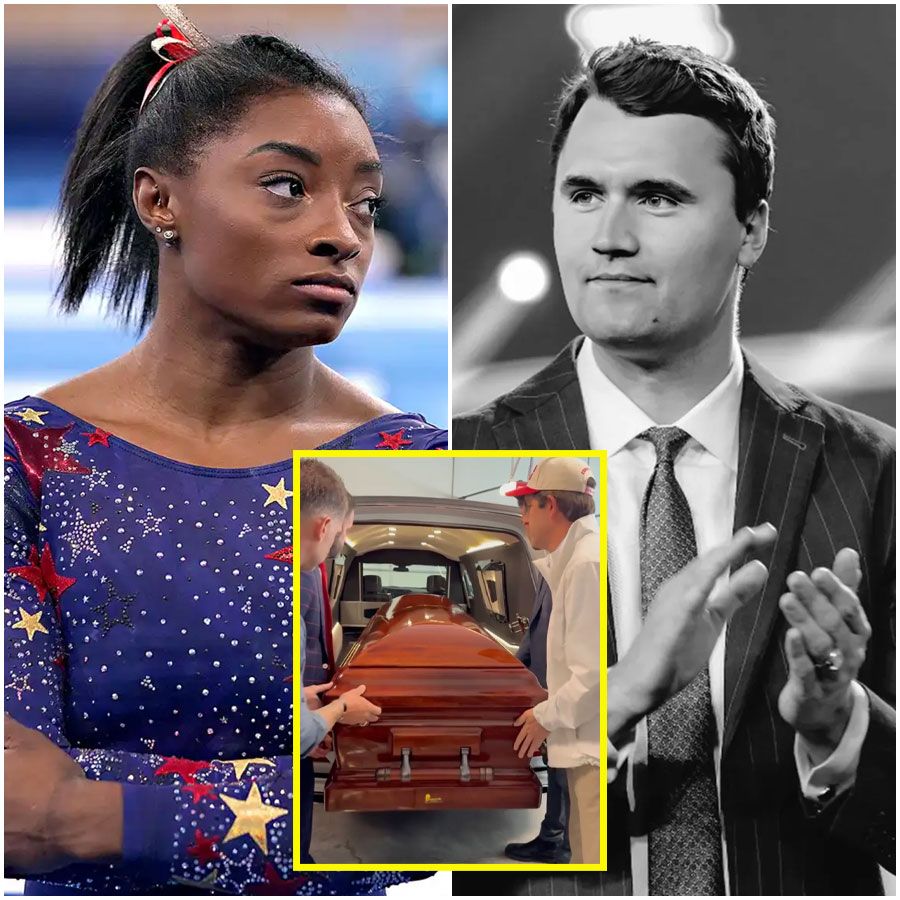
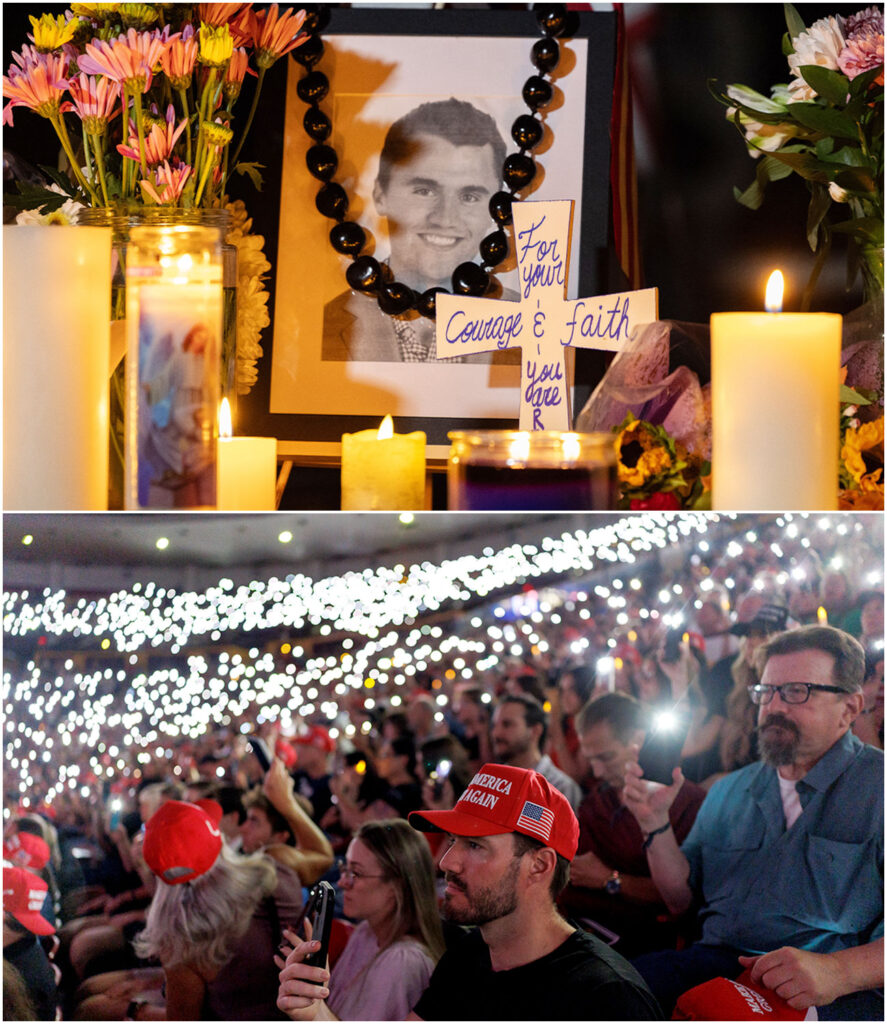





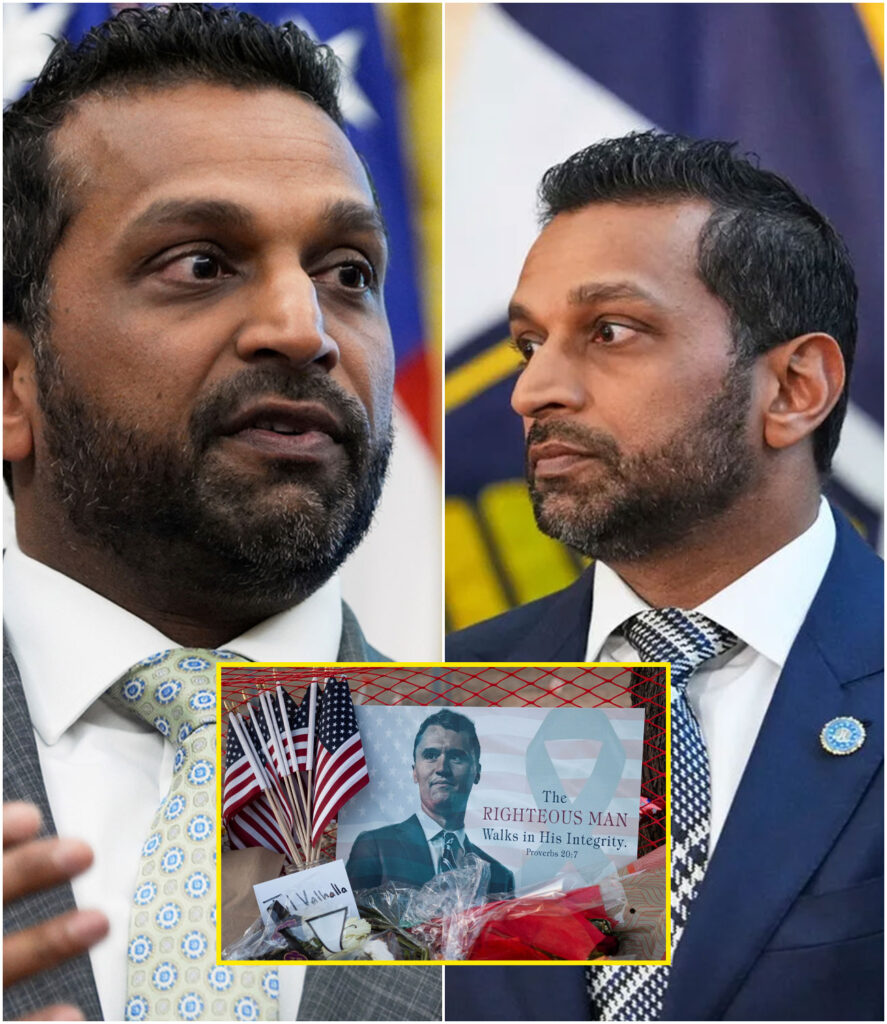





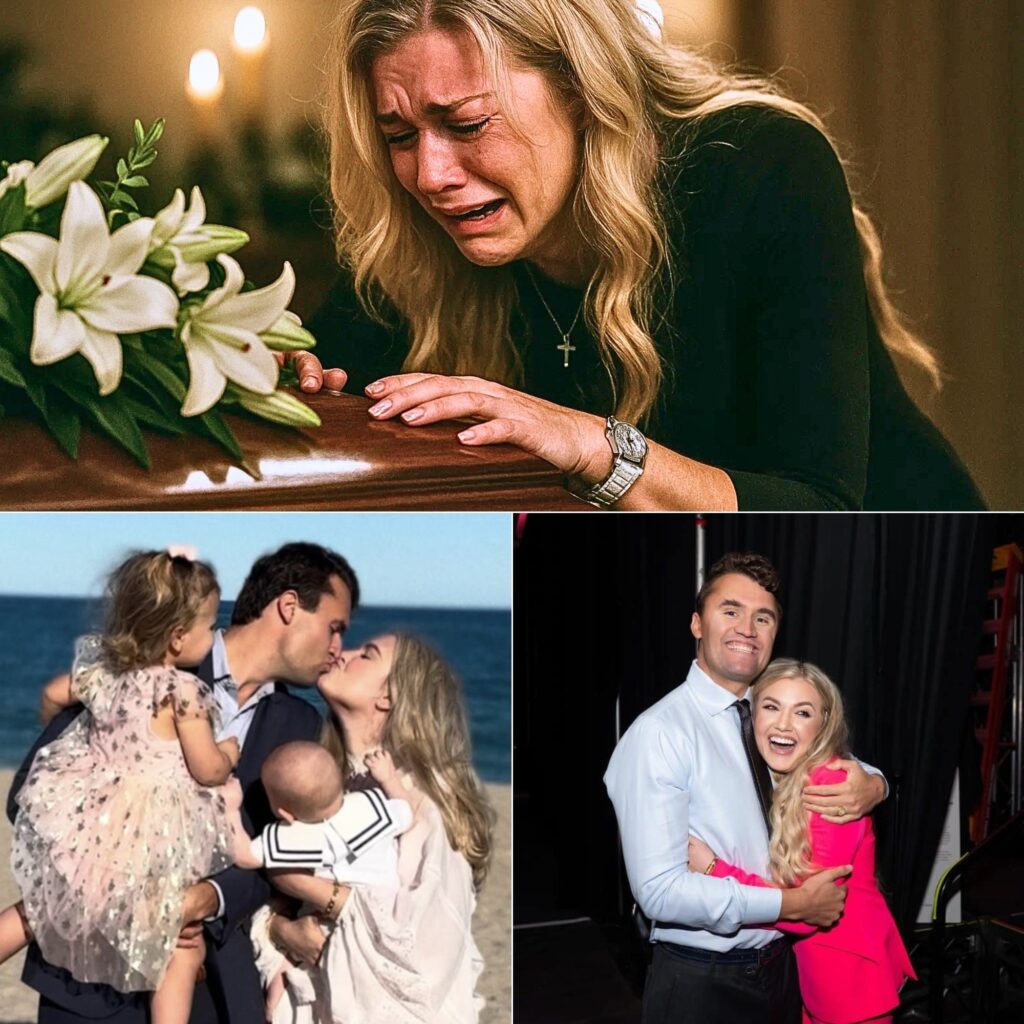
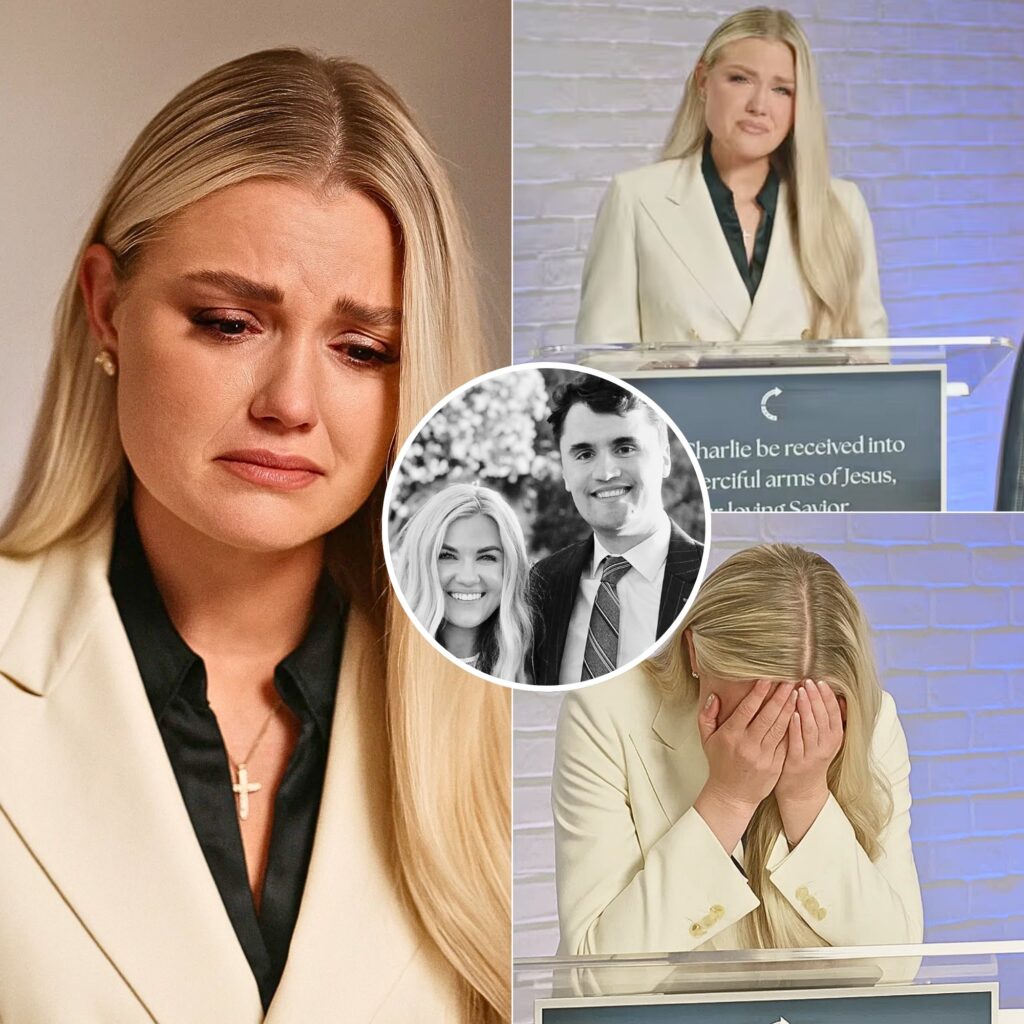













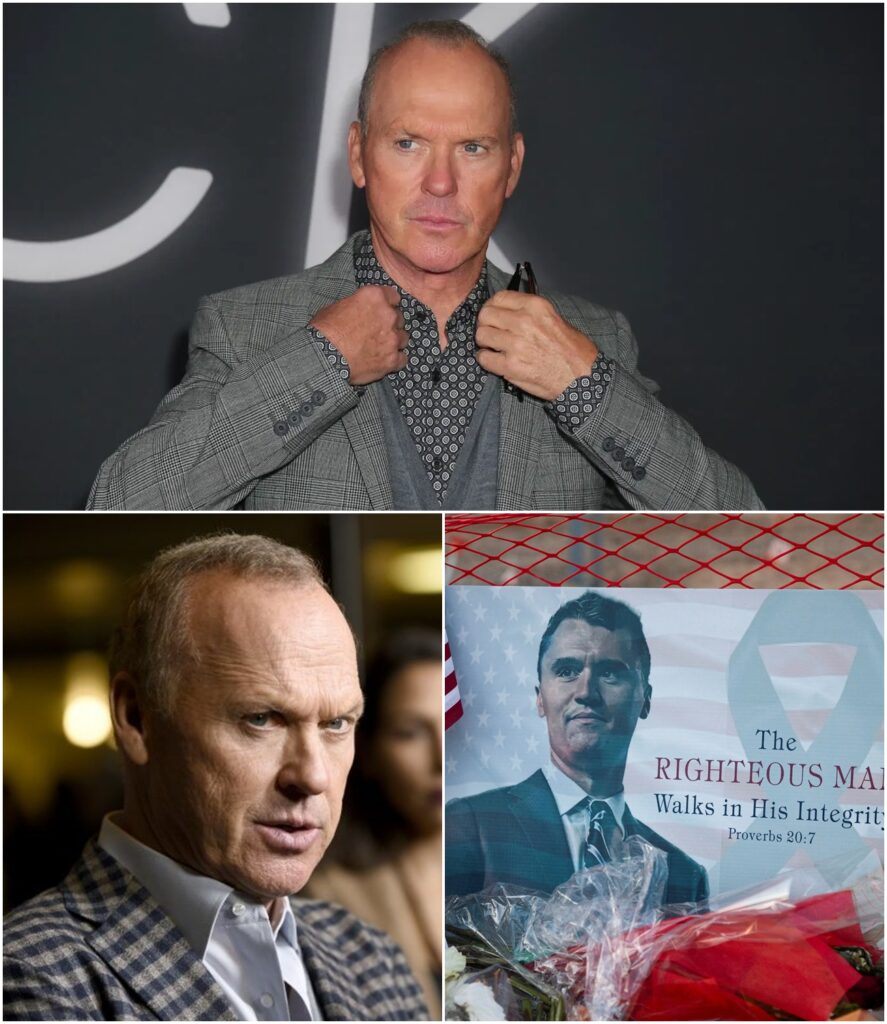































































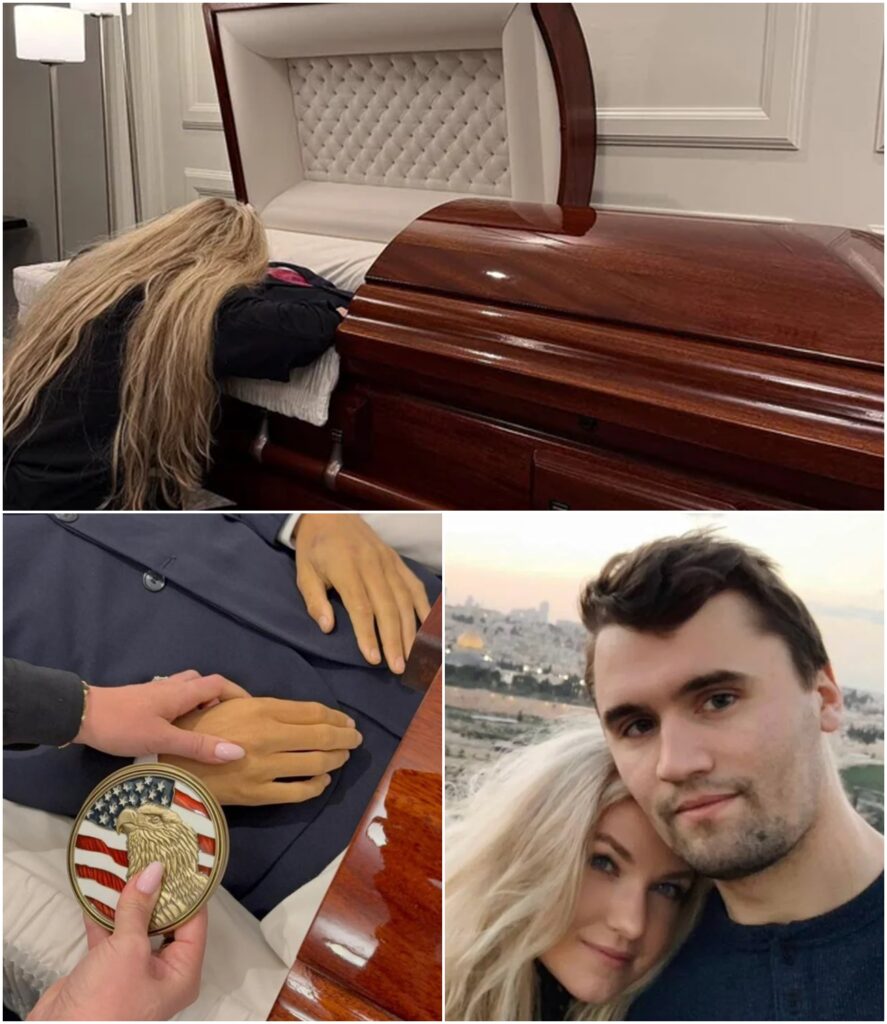






























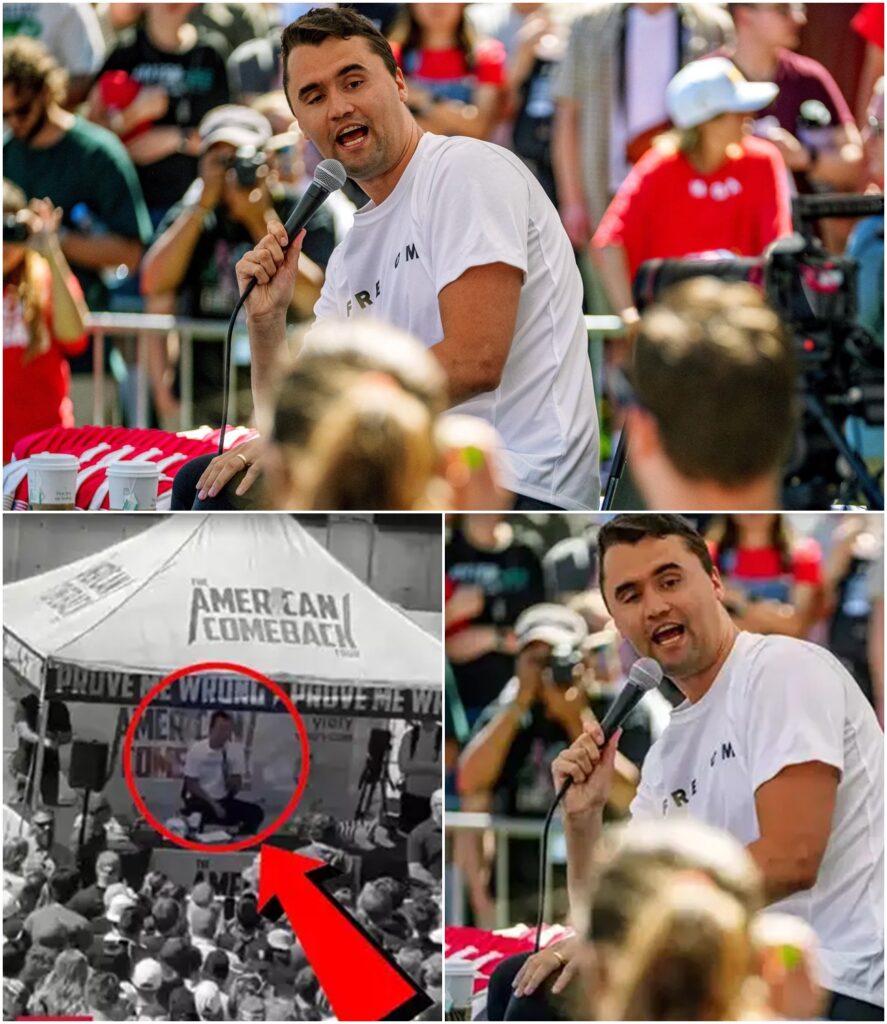



















































































































































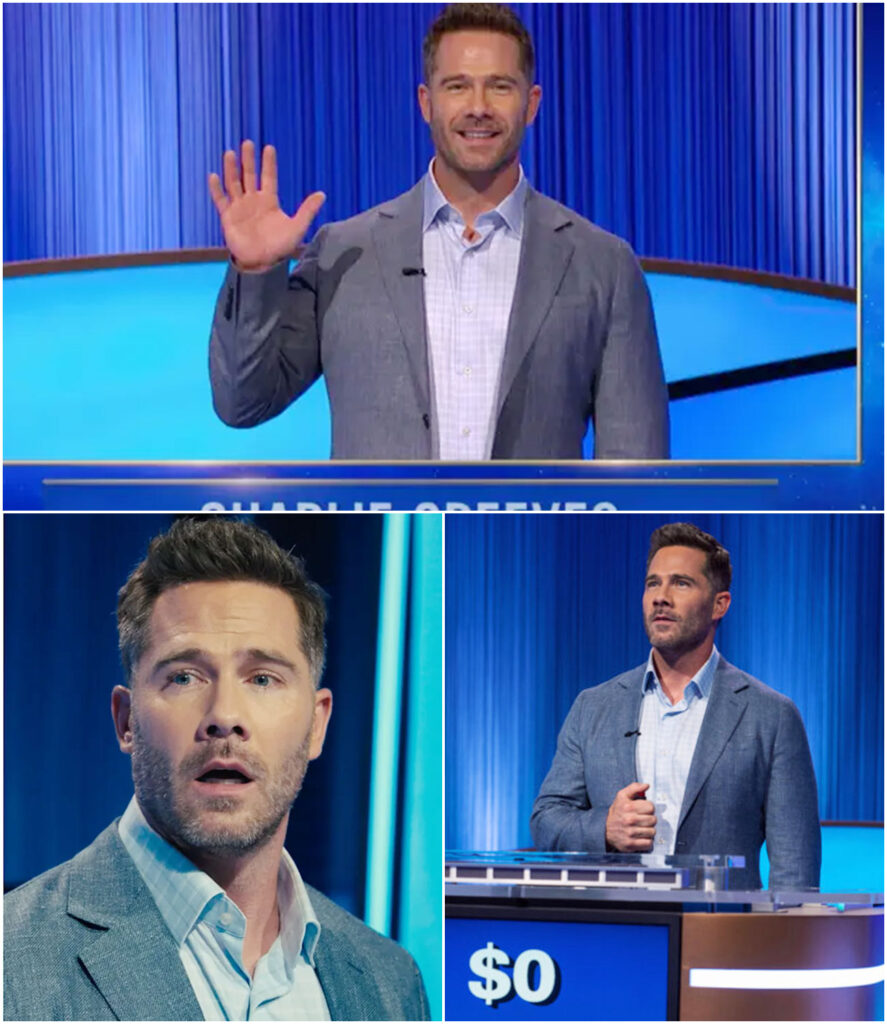




























































































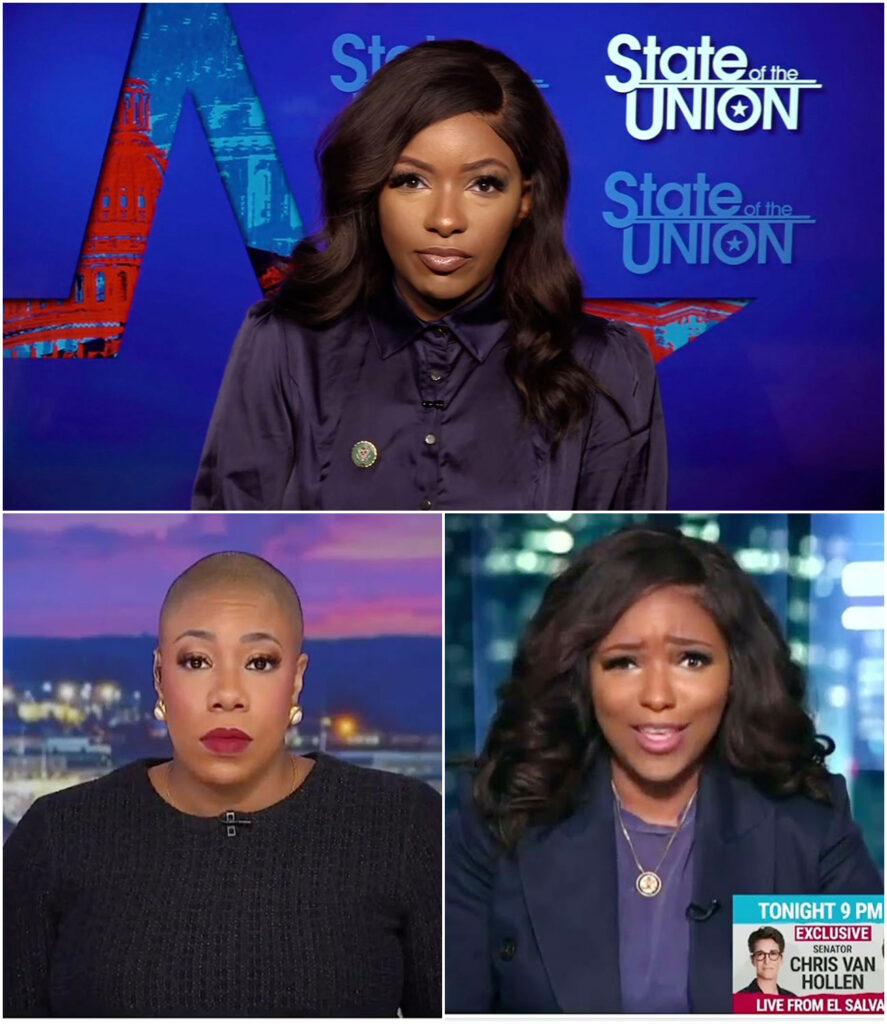





It’s being billed as a tribute to faith, family, and freedom, a patriotic alternative to one of the biggest media events on the planet. Following the tragic passing of its founder, Turning Point USA has announced an “All American Halftime Show,” hosted by his widow, Erika Kirk.


It’s being billed as a tribute to faith, family, and freedom, a patriotic alternative to one of the biggest media events on the planet. Following the tragic passing of its founder, Turning Point USA has announced an “All American Halftime Show,” hosted by his widow, Erika Kirk. The mission is to offer a message of hope and unity for millions who feel left behind by mainstream culture. But in an era of deep division, can a counter-broadcast truly bring people together, or will it simply create a more fortified echo chamber? We investigated the movement behind the message. Read the full, in-depth story in the comments.
The Super Bowl halftime show is no longer just entertainment; it’s a cultural battlefield. Now, a major conservative organization is launching its own counter-programming. Turning Point USA’s “All American Halftime Show” is a direct challenge to the NFL, aimed at viewers who feel alienated by what they see as a divisive and overly politicized spectacle. This isn’t just about music; it’s a strategic move in the American culture war, a fight for the nation’s heart and soul, broadcast live on the biggest night in television. Our latest report unpacks what this means for the future of shared cultural events. Find the full analysis below.
Editor’s Note: The following article is a speculative piece of journalism based on a fictional source document provided for a creative exercise. It treats the hypothetical passing of Charlie Kirk and a subsequent announcement from Turning Point USA as real events in order to explore their cultural and political implications. As of this writing, Charlie Kirk is alive and well.
The Halftime Schism: Inside the Plan to Build a Purer Super Bowl
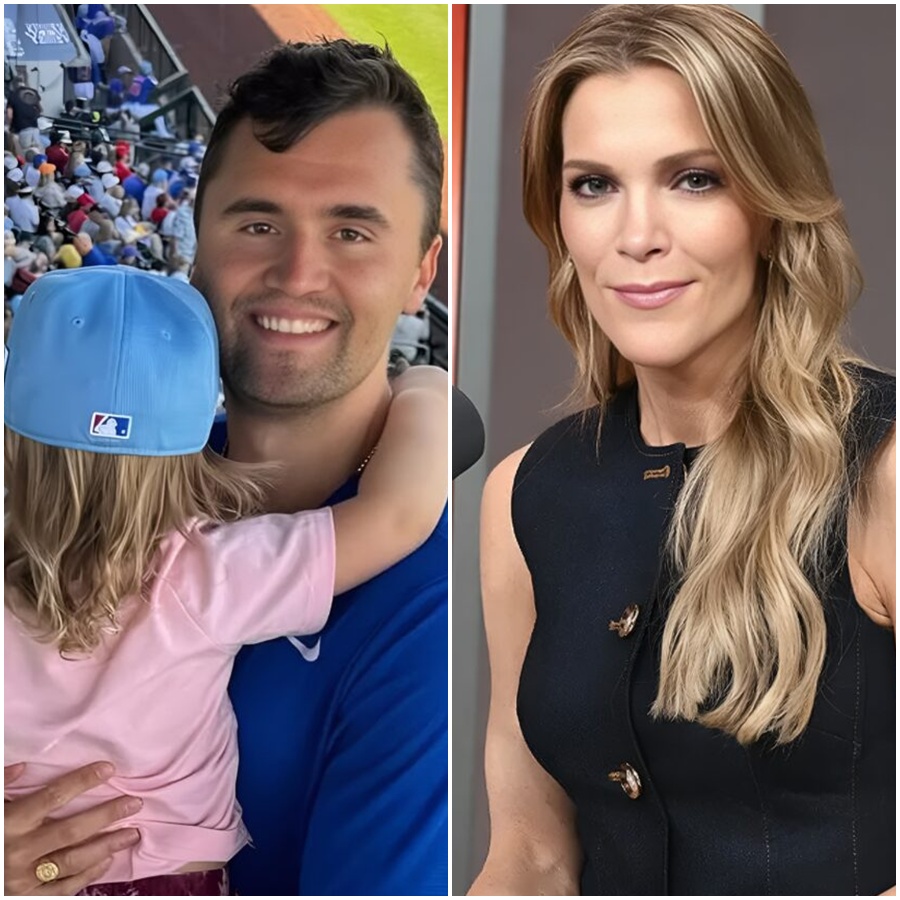
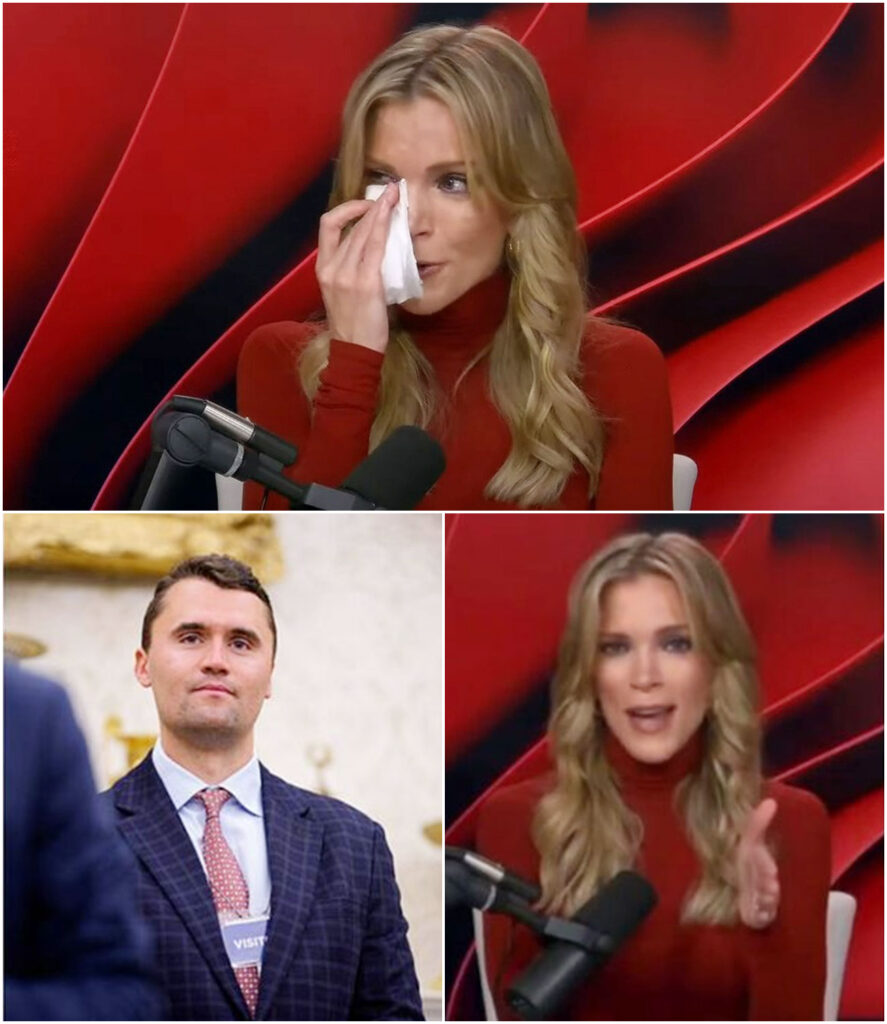
On what would have been his 32nd birthday, the ghost of Charlie Kirk loomed large over the American culture war. The announcement came not with a roar, but with a quiet, determined statement from his widow, Erika Kirk. Flanked by journalist Megyn Kelly, she unveiled a project that is at once a tribute, a media spectacle, and a declaration of intent: “The All American Halftime Show,” a direct, broadcast alternative to the NFL’s Super Bowl 60 halftime extravaganza. Subtitled “The Perfect Game,” the event promises a return to first principles, a celebration of what its organizers call the timeless American values: faith, family, and freedom.
This is more than just counter-programming. It is the culmination of years of simmering discontent, a strategic maneuver to carve out a parallel cultural universe for an audience that feels increasingly alienated by the mainstream. In a nation where even a football game can feel like a political battleground, Turning Point USA is no longer content to critique the show. It is building its own stage. The move signals a new, more assertive phase in the culture war, one defined not by fighting for control of existing institutions, but by creating entirely new ones.
To understand the gravity of the All American Halftime Show, one must first understand the organization and the man behind it. Turning Point USA, founded by a young and ambitious Charlie Kirk, grew from a campus activist group into a formidable force in conservative politics. Its core mission has always been to win the cultural narrative, arguing that politics is downstream from culture. Kirk built his legacy on the belief that true political change happens not in the halls of Congress, but in classrooms, on social media, and in the hearts and minds of the next generation. This halftime show is his philosophy made manifest—a direct intervention at the very nexus of American commerce, culture, and entertainment.
The event’s chosen slogan, Faith, Family, and Freedom, is not merely a patriotic tagline; it is a carefully calibrated set of cultural signifiers. For millions of Americans, this phrase represents a bedrock of stability in a world of dizzying social change. It evokes images of small-town communities, church potlucks, and unwavering patriotism—a nostalgic vision of an America they feel is slipping away. It stands in stark opposition to the values they perceive in the official Super Bowl halftime show, an event that has in recent years become a platform for elaborate productions celebrating diversity, social justice, and a brand of celebrity culture that often feels alienating to conservative viewers.
The Super Bowl halftime stage has long been a cultural flashpoint. From Janet Jackson’s “wardrobe malfunction” in 2004 to Beyoncé’s politically charged performance of “Formation” in 2016 and the provocative displays of subsequent artists, the show has evolved from a simple musical interlude into a powerful platform for cultural commentary. For many on the left, this evolution is a sign of progress, a reflection of a more inclusive and aware society. For many on the right, it is a betrayal of a shared national tradition, another cherished institution captured by what they see as a divisive, “woke” ideology.
The announcement of a dedicated alternative for Super Bowl 60 suggests that this audience is no longer willing to simply change the channel; they want a destination. They want a cultural product built specifically for them, one that affirms their worldview instead of challenging it. Erika Kirk’s statement frames this as a mission of hope. “This isn’t just entertainment,” she said. “It’s a message—that no matter how divided things may seem, America still has a heart that beats for what’s good and true.”
But the central, uncomfortable question remains: Can an event born from division truly foster unity? By creating a separate cultural experience, the All American Halftime Show risks deepening the very schism it claims to want to heal. A shared culture relies on shared experiences, even uncomfortable ones. For decades, the Super Bowl was one of the last remaining secular holidays that brought Americans of all stripes together around the same television screen. We might have rooted for different teams and argued over the commercials, but for a few hours, we were all part of the same national conversation.
The creation of a partisan alternative threatens to shatter that fragile consensus. It accelerates the trend of national siloing, where Americans retreat into media ecosystems that reflect their own values back at them. We already have our own news channels, our own social media feeds, and our own political heroes. The danger now is that we will have our own halftime shows, too. The “perfect game,” it seems, may be one where you never have to encounter a viewpoint—or a performer—that makes you uncomfortable.
As Erika Kirk and Megyn Kelly move forward with their plans, they are tapping into a genuine hunger for meaning and representation. The overwhelming online response and the trending hashtags speak to a vast and mobilized audience that feels ignored and disrespected by Hollywood and corporate media. They are building something that will undoubtedly be a success on its own terms, providing a powerful, emotional experience for millions. Yet, in solving one problem—the lack of affirming content for a conservative audience—they risk exacerbating a much larger one. The light Erika Kirk speaks of may shine brightly, but it may only illuminate one half of a divided room, leaving the other side in deeper shadow than ever before. On Super Bowl Sunday, the biggest contest may not be on the field, but for the soul of a nation that can no longer agree on what to watch during halftime.
News

“My Mom Is Not Guilty,” Said the Small Boy — What the Judge Found Out Left Him Speechless
The courtroom was silent until a trembling voice cut through the tension. Your honor, my mom didn’t steal anything. Gasps rippled across the room. A 9-year-old black boy stood alone before the judge, clutching a folder bigger than his chest. Behind him, his pale, tearful mother watched, handcuffed and accused of a crime she didn’t […]

Poor Black Girl Helped an Old Man Cross the Street — Unaware He Was the Town’s Richest Farmer…
At the busiest corner of town, traffic thundered and no one cared except Amir with patched shoes and a bag stitched together. She noticed an old man frozen at the curb, his cane trembling as cars sped past. Everyone else ignored him. Some even laughed at her for stepping forward. But Meera didn’t flinch. She […]

Boy Kicked Out by His Parents Returns 12 Years Later with his Nanny and Does Something Shocking.”
Thrown out for being dumb, young Daniel was left kneeling on the cold pavement while his wealthy parents shut the gates behind him. The only one who refused to walk away was Miss Ruth, the family’s old nanny, who quit her job and took him in with nothing but faith and sacrifice. Years later, Daniel […]

Black maid Stole the Billionaire’s Money to save his dying daughter, —what he did shocked everyone
Tasha was just a new maid, barely noticed, barely trusted. But when she found the billionaire’s daughter barely breathing, with no staff around and the mansion silent, she panicked. No calls were going through. No help was coming. So she did the unthinkable, broke into his locked office, grabbed the car keys and a bundle […]

Millionaire Comes Home and Finds His Pregnant Wife Crying—What He Discovered Shocked Him.
Millionaire comes home and finds his pregnant wife crying. David Whitman thought he had built the perfect life, but nothing prepared him for the day. He walked in early and found his young wife, Aisha, sobbing, her body covered in fresh bruises. Through her tears, she asked, “Am I ugly? Am I a monkey? Don’t […]

InLaws laugh as they gave her the Rusted van as her inheritance, — Unware the van was made of gold
At her husband’s funeral, Naomi’s in-laws handed her a rusted broken down van as her inheritance, laughing as they threw her out of the house and stole the businesses she’d built with him. 7 months pregnant, with her 10-year-old son beside her, she had no choice but to live in the van they claimed was […]
End of content
No more pages to load