








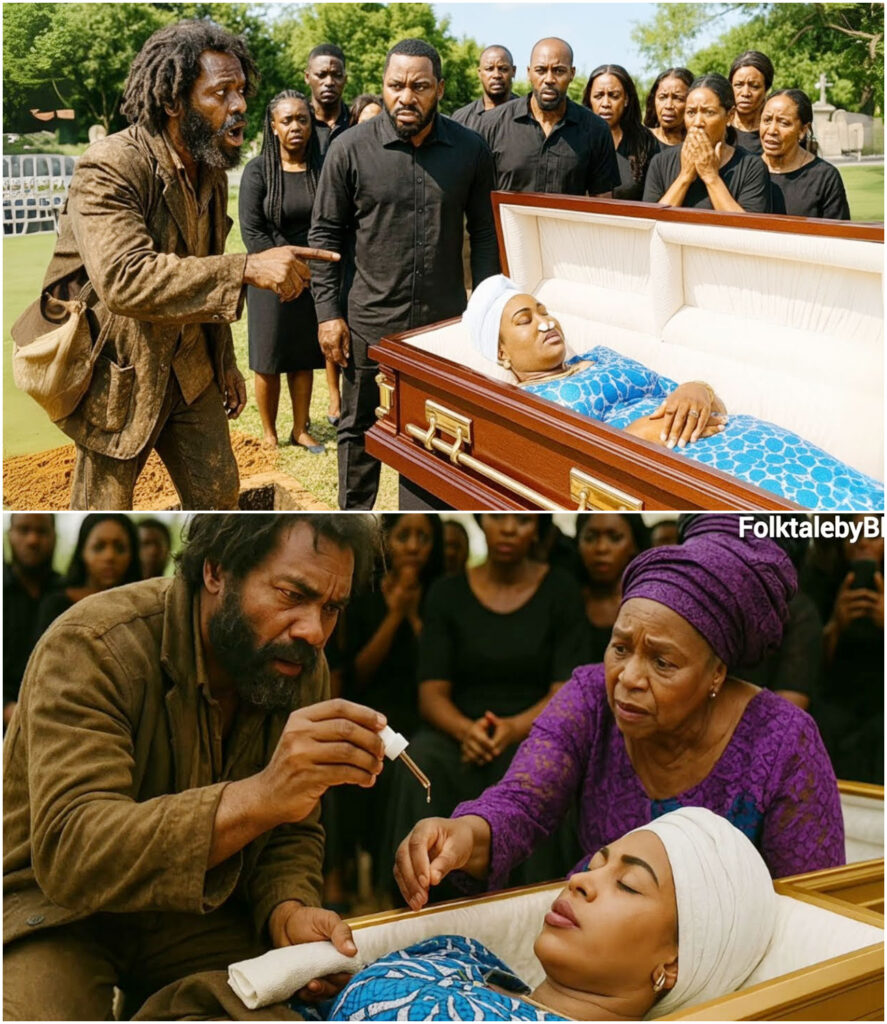











































































































































































































































































































































































































































































































































































































































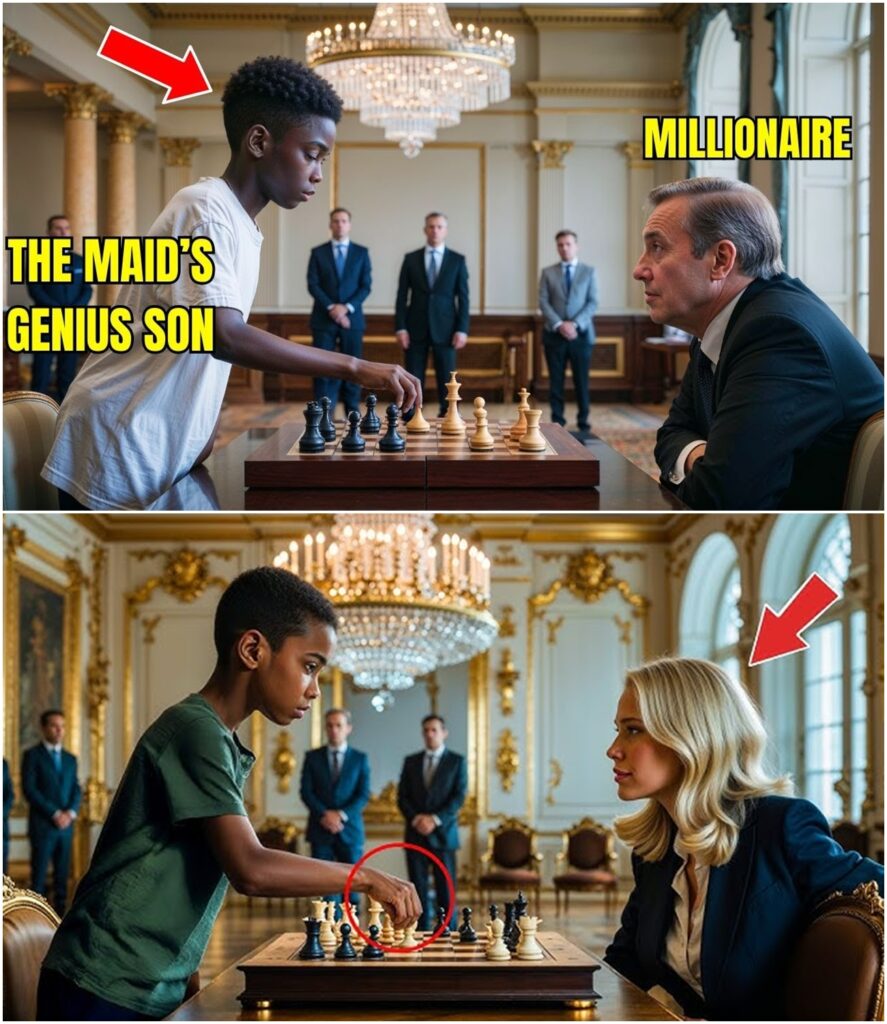




































































No One Could Soothe the Baby on the Plane — Until a Black Boy Hummed a Tune That Changed Everything

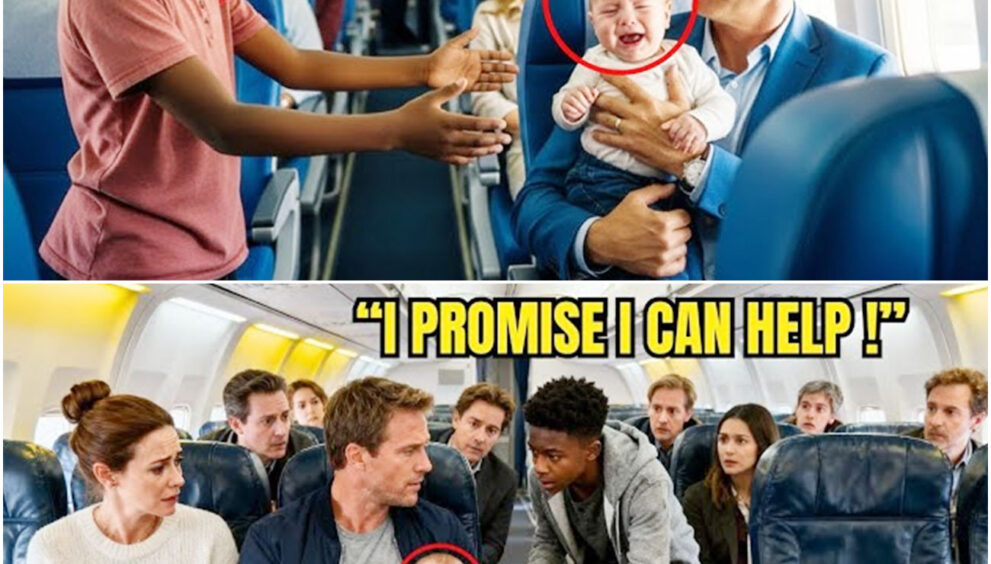
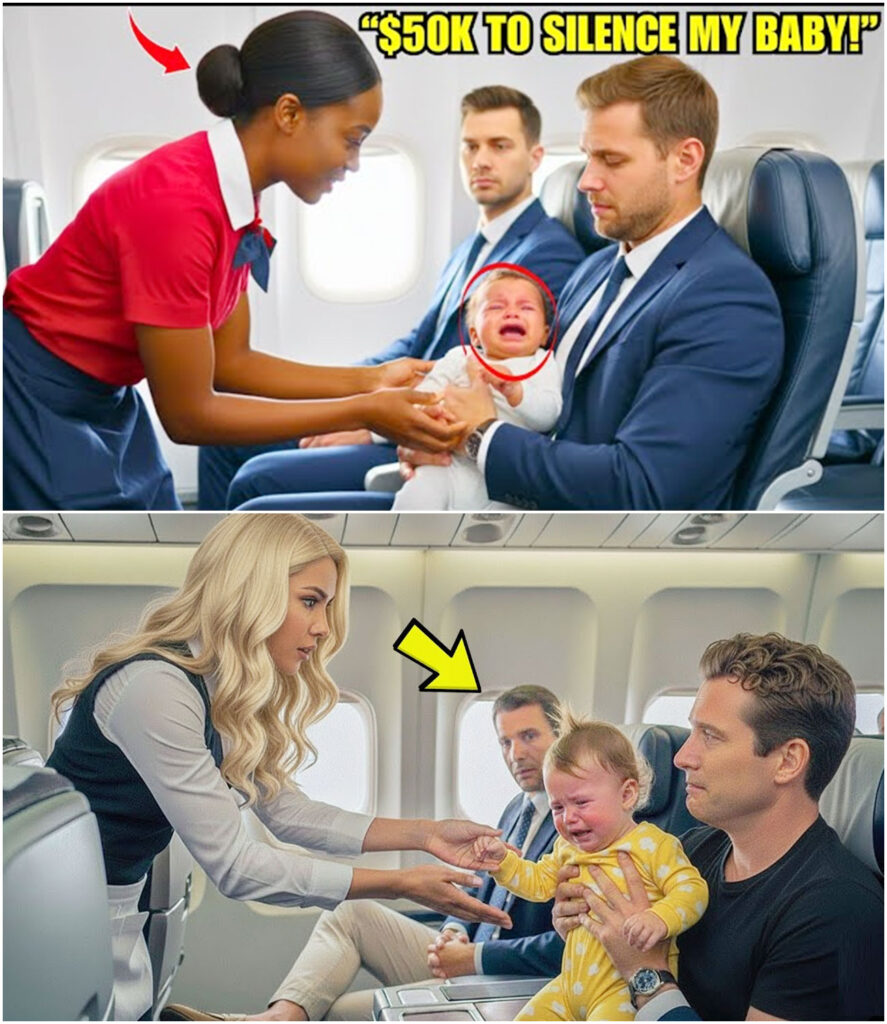
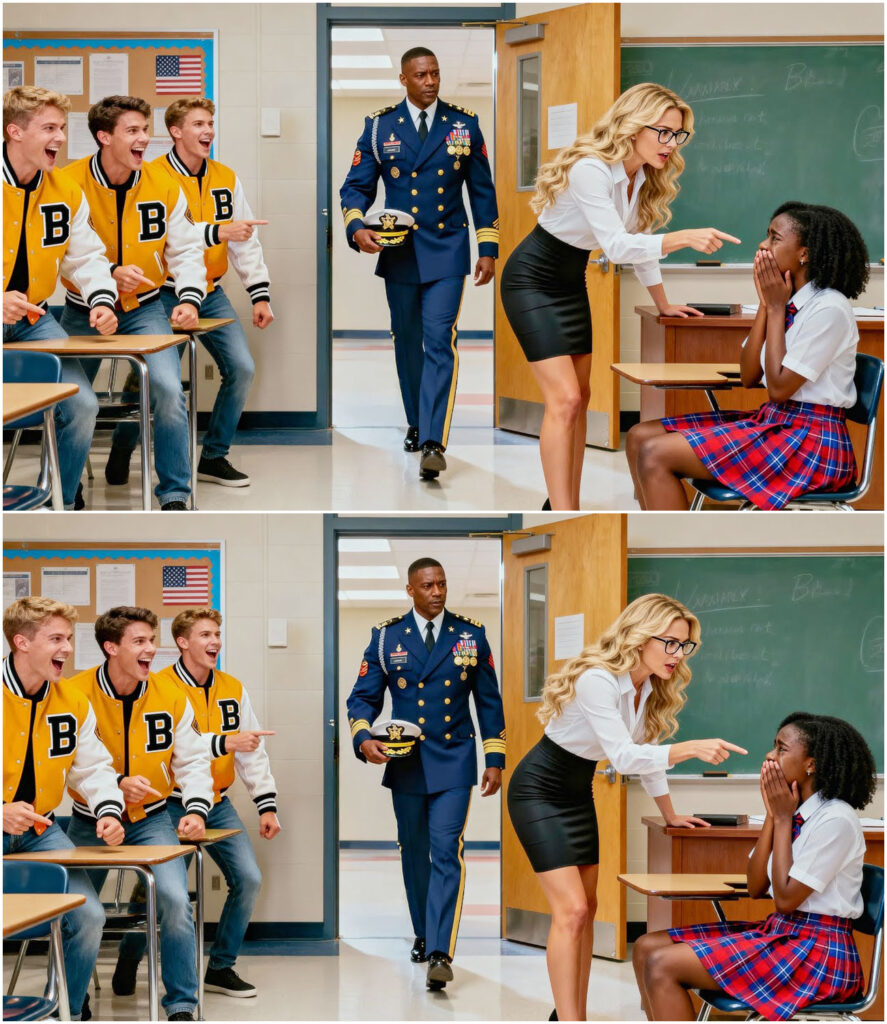
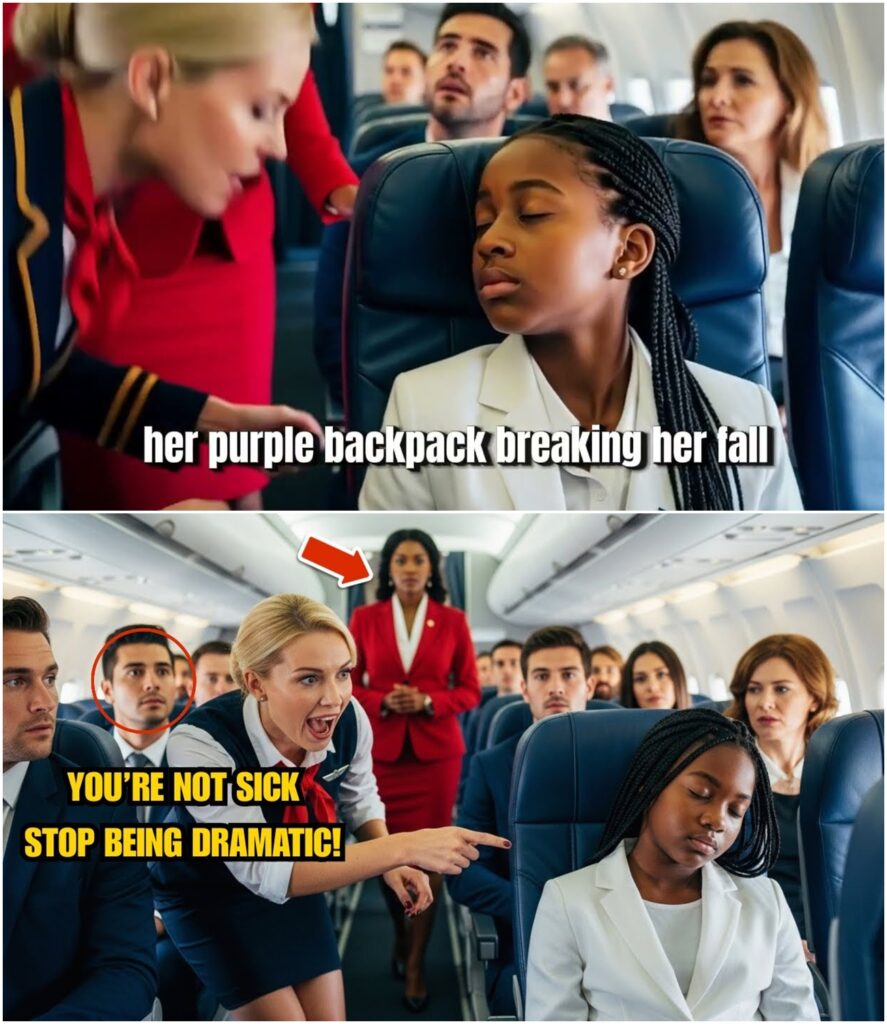
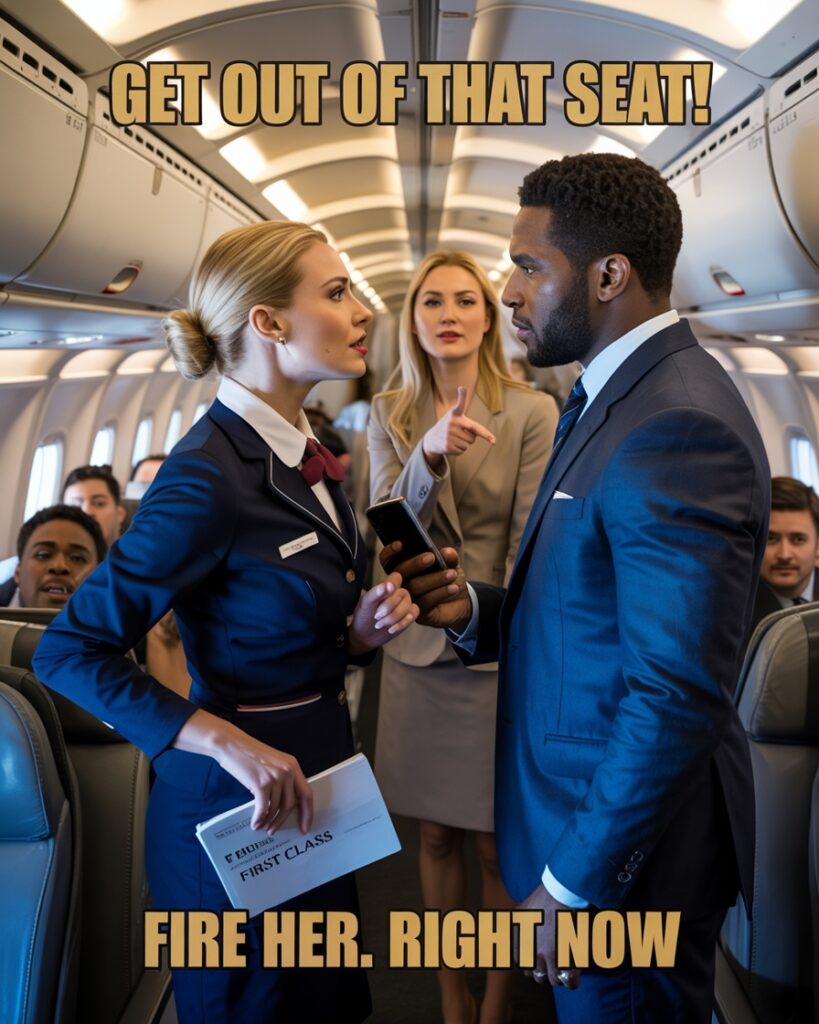
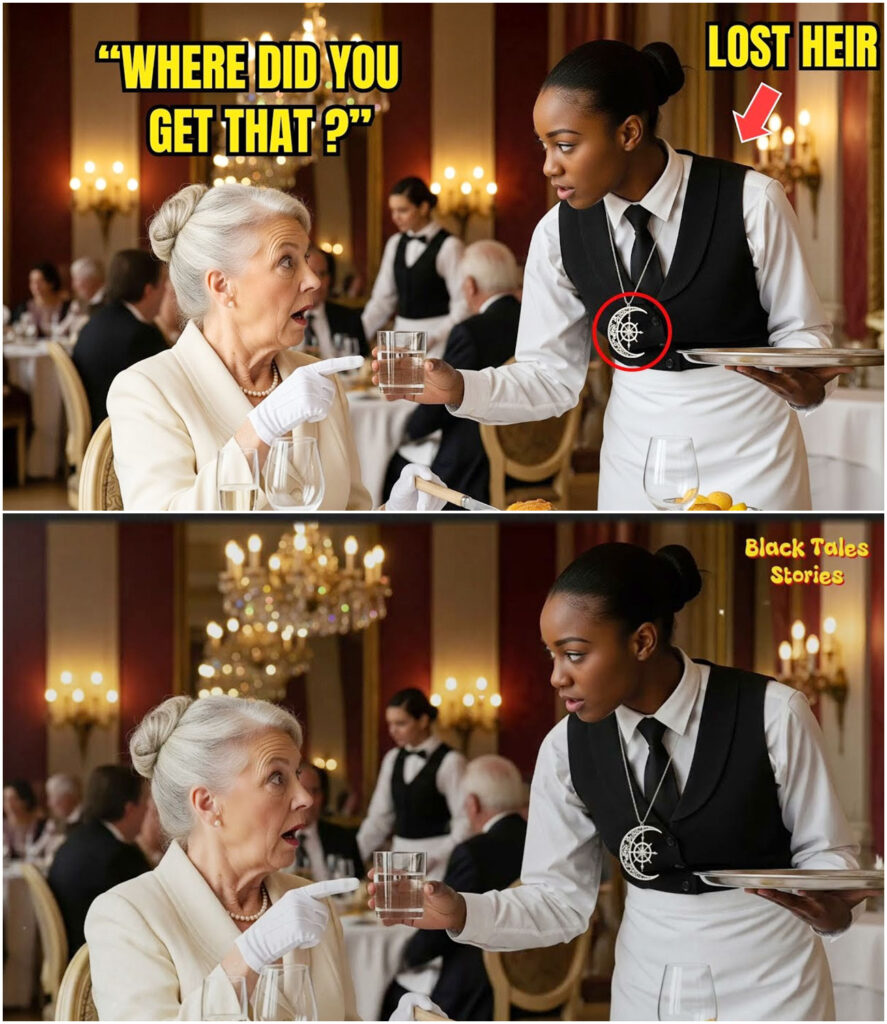
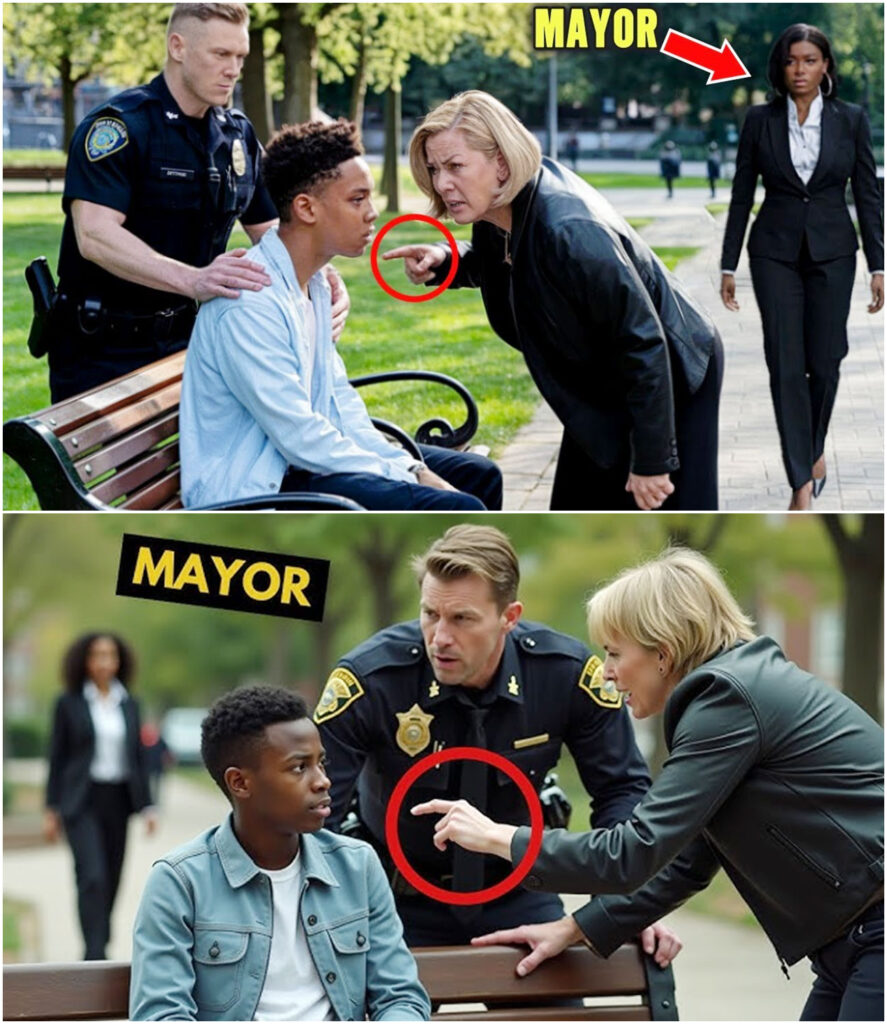
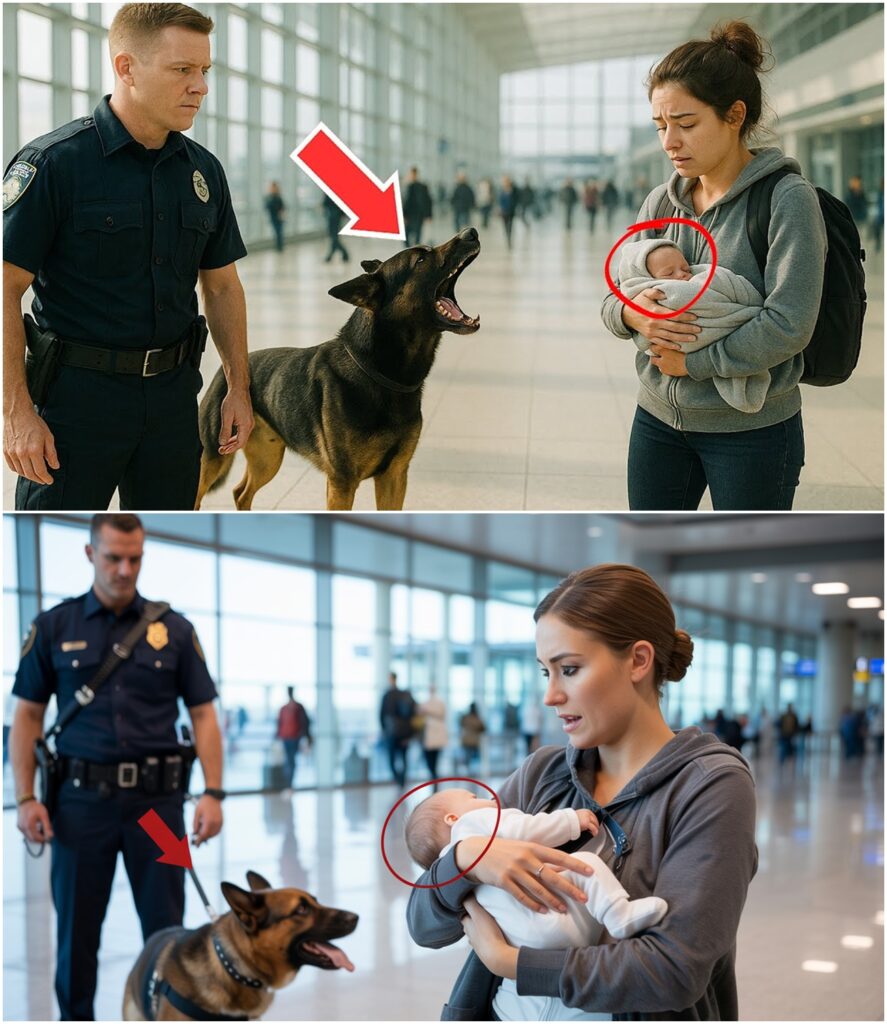
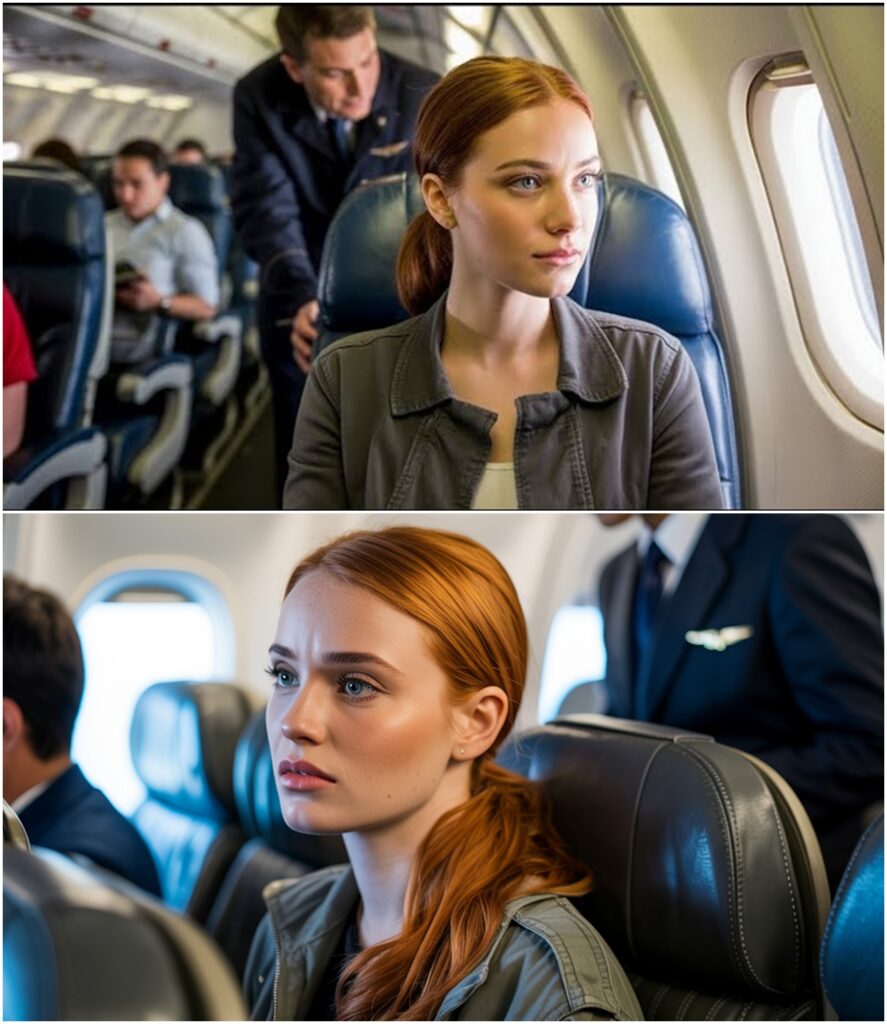
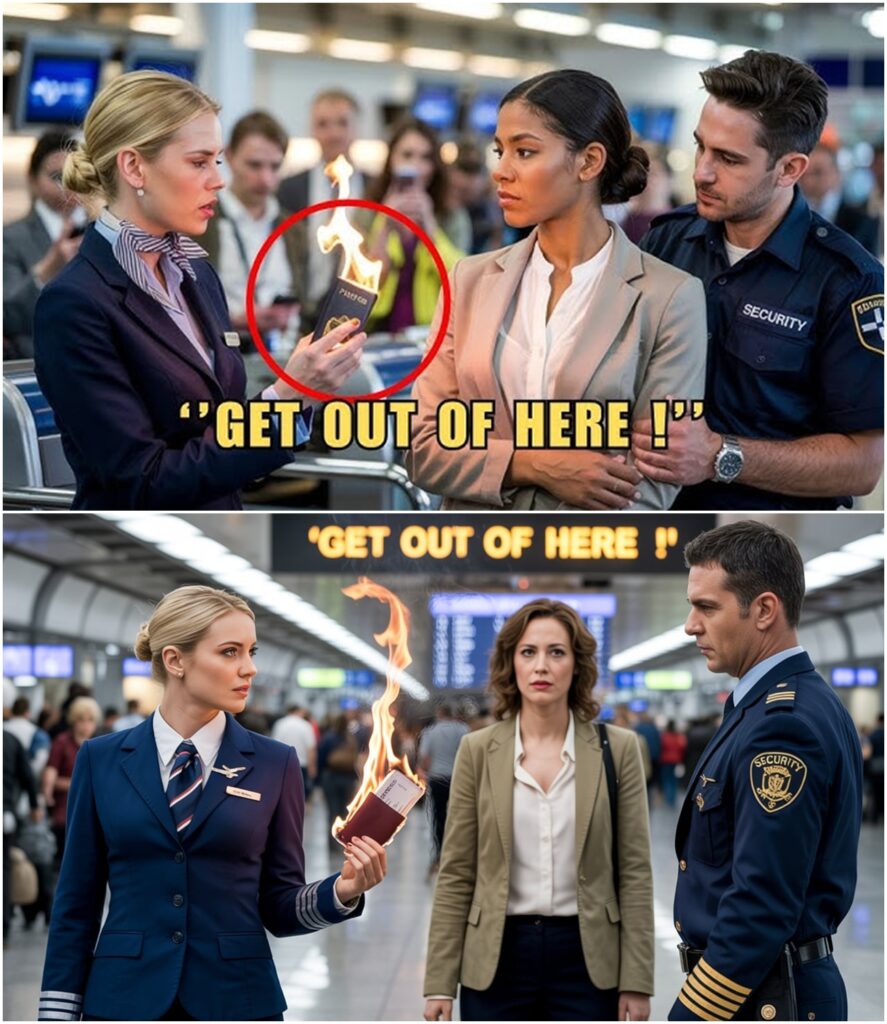
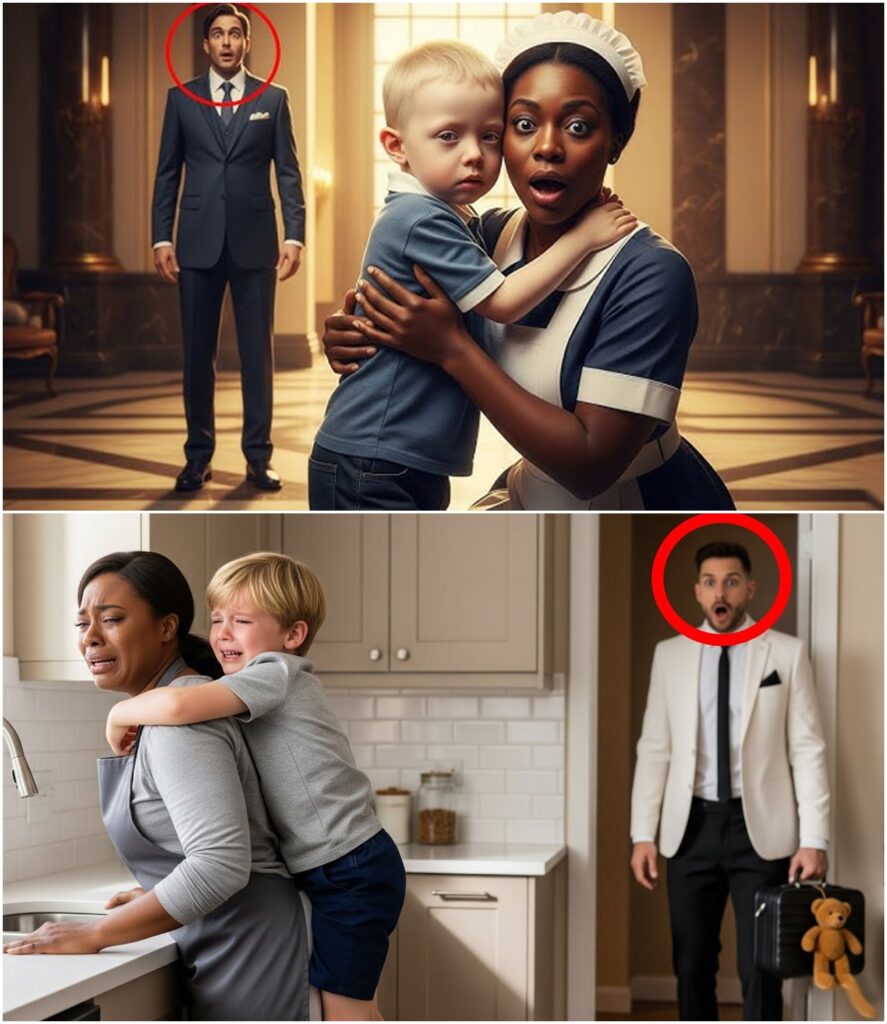
Get that kid away from my cabin before I call security. The sharp command echoes through American Airlines flight 447 as a well-dressed white woman in first class points an accusatory finger toward the back of the plane. Her target, a 14-year-old black boy in a faded hoodie and torn jeans standing in the economy aisle with quiet dignity.
Ma’am, he just offered to help. The baby’s exhausted mother pleads, bouncing her screaming eight-month-old who has been crying for three straight hours. Help! Karen Wellington’s laugh drips with contempt. “That street kid doesn’t belong near decent families. Look at him.
” Marcus Washington looks directly at her, his voice steady and confident. I can stop her crying in 30 seconds. The cabin falls silent except for the baby’s whales. Every passenger turns to stare at his worn sneakers, battered leather suitcase, his impossible claim. Everything about him screams poverty, insignificance.
What they’re about to discover will shatter every assumption on this aircraft. Hit subscribe if you’ve ever been judged by appearance. American Airlines Flight 447 stretches like a social experiment at 35,000 ft. The widebody aircraft carries 300 passengers across invisible but rigid class lines that mirror society itself. In first class, leather seats cradle the privileged.
Executives and thousand suits tap on platinum laptops. A surgeon discusses his latest procedure while sipping premium wine. This is where Karen Wellington holds court in seat 3A. her Chanel suit perfectly pressed, Hermes bag positioned like a shield against the common masses behind her. At 52, she radiates the entitled confidence of generational wealth.
Her father’s real estate empire built her world where money talks and everyone else whispers. Business class buzzes with middle management and professionals. Their anxious energy palpable as they juggle conference calls and lastminute presentations. They glance enviously forward at first class while looking down their noses at economy.
Then comes the great divide. The navy blue curtains separating the worthy from the worthless. Economy class tells a different story. Cramped seats hold working families returning from vacations they saved years to afford. College students clutch backpacks and instant noodles. Military families in budget seats wear their dignity quietly.
Here, children cry without nannies to comfort them, and parents apologize for every small inconvenience. In row 12D, David and Lisa Carter cradle their 8-month-old daughter Sarah, their first child, and the center of their universe. Young professionals from San Francisco. They’ve spent their savings on this New York trip to introduce Sarah to her grandparents.
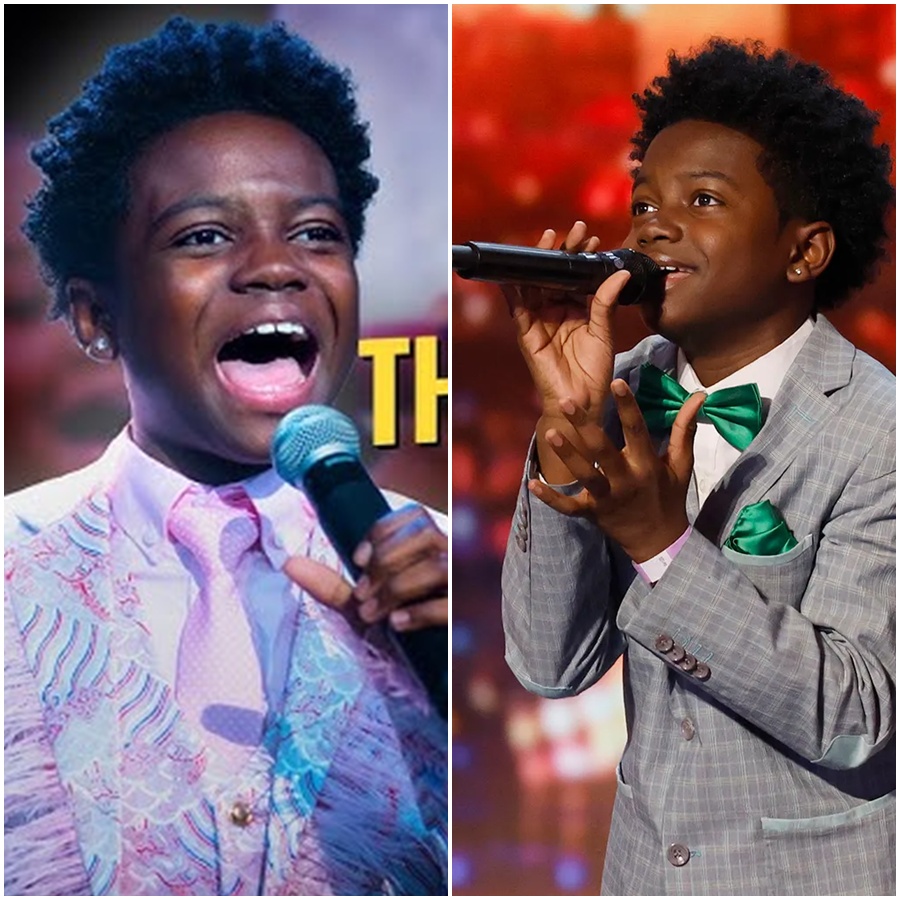
David’s software engineer salary stretches thin, but Love knows no budget constraints. Sarah’s persistent crying has them questioning everything. Their parenting, their decision to fly, their ability to handle this precious life. And in the very back in seat 34E sits Marcus Washington. At 14, Marcus carries himself with a quiet dignity that seems impossible for someone wearing a threadbear hoodie with a small tear near the left shoulder.
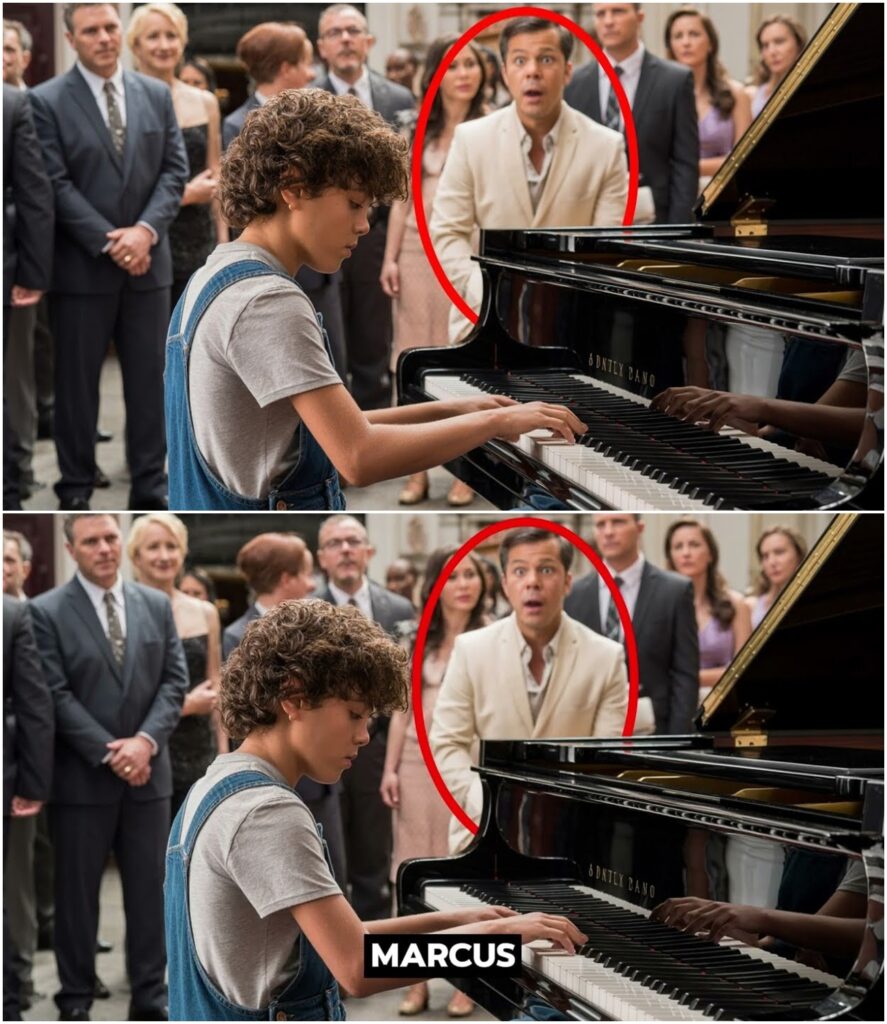
His jeans faded from countless washes, sport holes at both knees, not the designer distressed kind, but genuine wear from a life that doesn’t include regular shopping trips. His sneakers, once white, now tell stories of city sidewalks and basketball courts. But watch his hands. Those fingers are long and elegant, moving with unconscious precision across the armrest as if playing invisible keys.
When nervous, Marcus taps complex rhythms that would puzzle most adults. Intricate patterns that speak of training, discipline, years of practice. The old leather suitcase tucked beneath the seat ahead bears the scars of countless journeys.
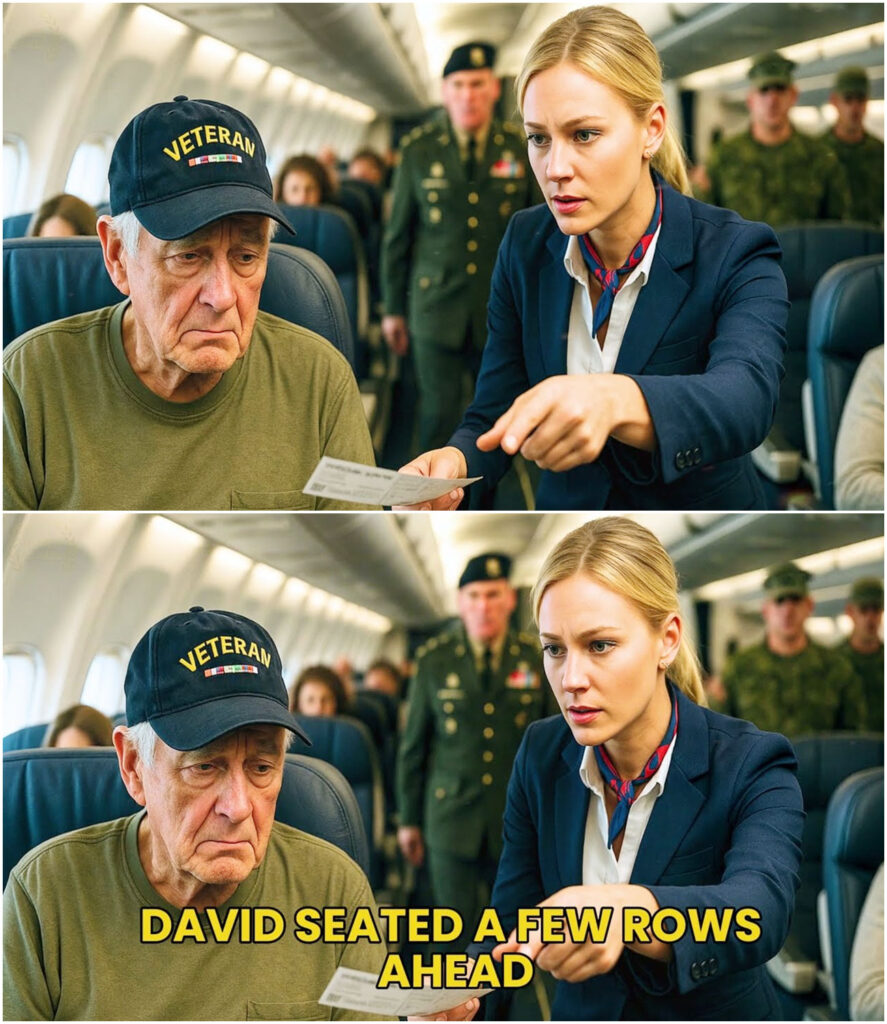
Its brass corners are tarnished, its surface marked with scratches that map a history of struggle. Yet something about how Marcus guards it suggests contents worth more than the case itself. Flight attendant Maria Santos has worked these routes for 15 years. She’s seen every type of passenger, managed every crisis. A mother of three herself, she recognizes the desperation in the Carter’s eyes as their daughter’s cries pierce the cabin.
Other babies respond to Sarah’s distress, creating a cascading symphony of infant anxiety. Passengers shift uncomfortably. Business travelers remove noise-ancelling headphones to glare. A retired couple in row 8 whispers about, “People who shouldn’t travel with babies.” The tension builds like pressure in the cabin itself.
Marcus closes his eyes and unconsciously begins humming under his breath so quietly that only the elderly woman beside him notices. The melody is complex, classical, nothing a teenager from his apparent background should know. His grandmother’s voice echoes in his memory, teaching him that music lives in the soul, not the wallet. He’s traveling alone to New York, clutching a one-way ticket purchased with money earned from odd jobs around his Los Angeles neighborhood.
His destination, a hospital in the Bronx, where his grandmother lies fighting for life. She raised him when his parents couldn’t. taught him everything that matters, shaped him into the young man who sees helping others as natural as breathing. But in this divided aircraft, Marcus remains invisible to most passengers.
Another poor kid taking up space in economy. They see the surface, poverty, youth, otherness. They miss the extraordinary hidden beneath the ordinary. As Sarah’s cries intensify and adult patients phrase, Marcus makes a decision that will change everything. He stands up. Marcus rises from seat 34E.
His movement deliberate and calm despite the chaos erupting around him. Sarah’s cries have reached a fever pitch, and her parents look ready to collapse from exhaustion and embarrassment. As he steps into the narrow aisle, heads turn with a mixture of curiosity and suspicion. “Excuse me,” Marcus says to the Carters, his voice respectful but confident.
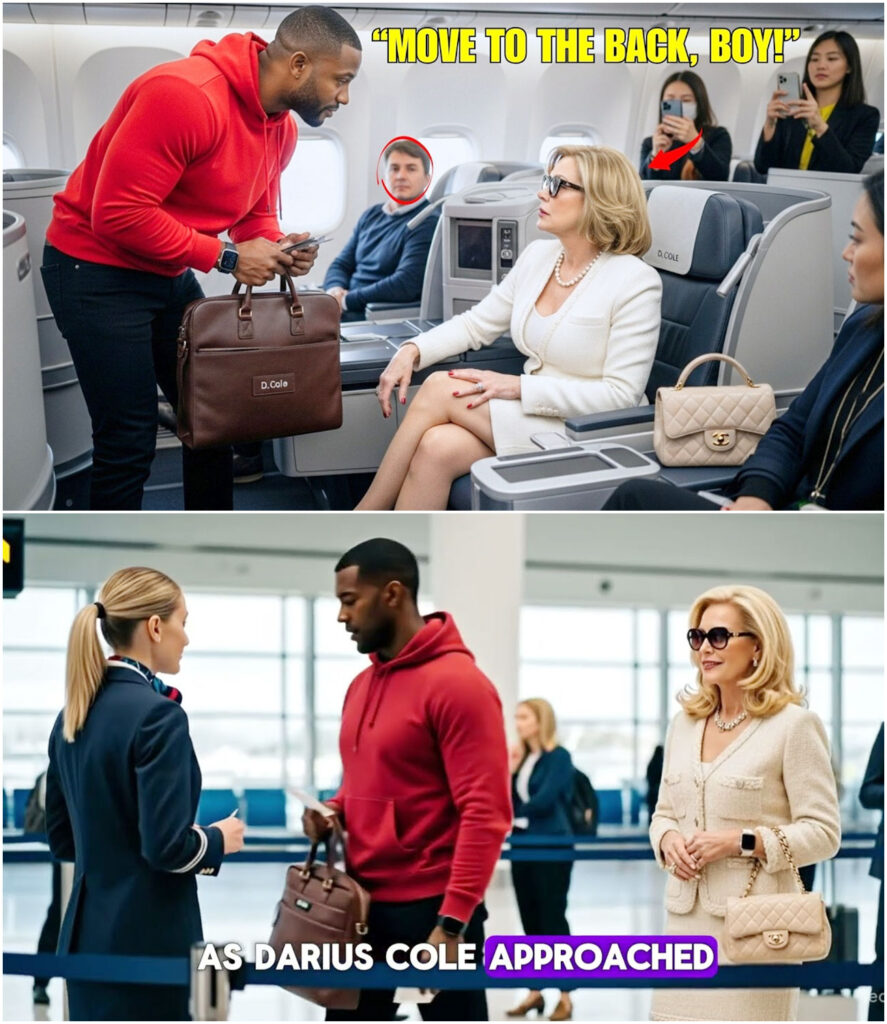
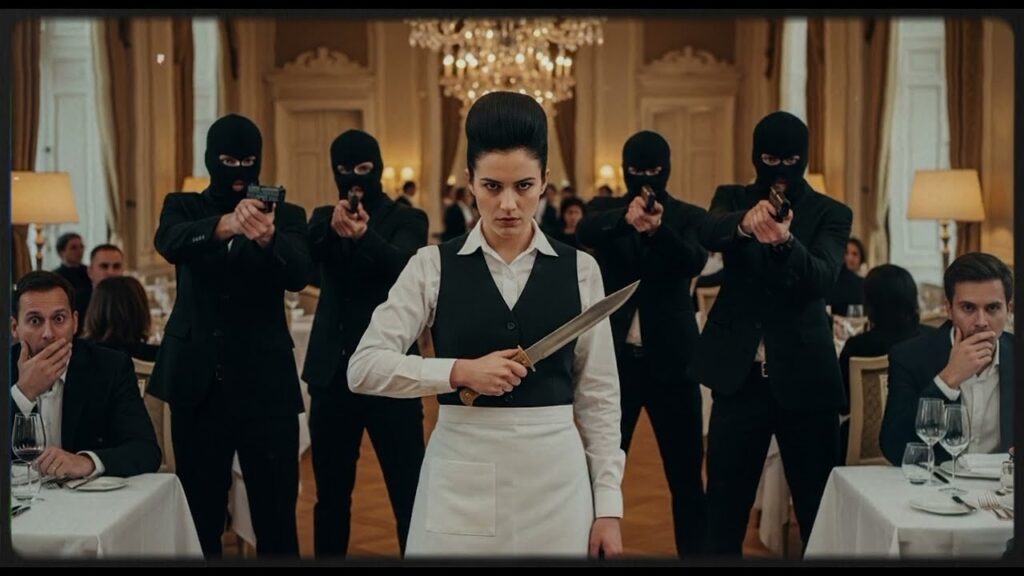
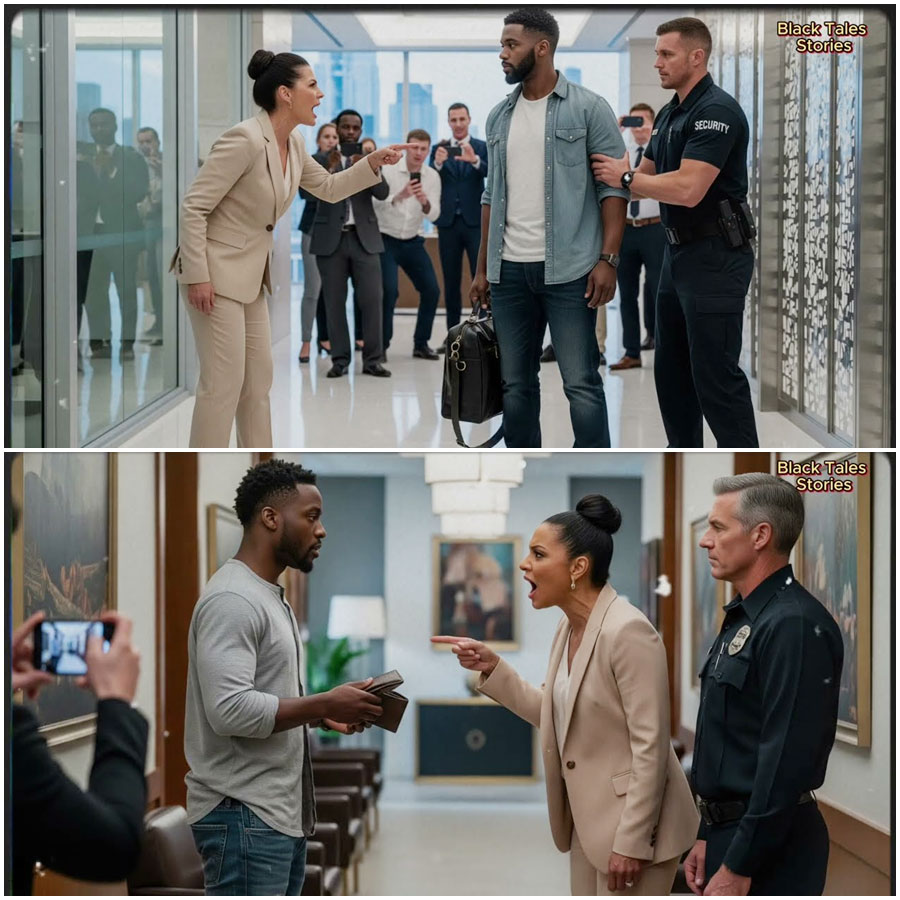
“I might be able to help with your daughter.” David Carter looks up with desperate hope. “You know about babies?” Before Marcus can answer, Karen Wellington’s voice slices through the cabin like a blade. “Are you out of your mind?” She unbuckles her seat belt and storms down the aisle, her designer heels clicking against the floor with military precision.
You’re going to let some random kid from the ghetto touch your baby? The word ghetto hangs in the air like a toxic cloud. Conversations stop. Passengers crane their necks to witness the confrontation brewing in economy class. Ma’am, I just want to help. Marcus maintains his composure, but his jaw tightens slightly. I have experience with children.
Karen’s laugh is cruel and sharp. Experience? What kind of experience? Babysitting your drug dealer’s kids. She turns to address the cabin like a prosecutor making her case. Look at him. Look at those clothes. This is exactly the kind of person who shouldn’t be around decent families.
A businessman in row six nods approvingly. The woman’s got a point. Kid looks like trouble. Probably part of some gang, whispers a passenger behind him. You can tell by how he carries himself. I’ve seen his type before, adds another voice. They start with offering help, then they rob you blind. Marcus feels the weight of their stares, their assumptions, their fear disguised as concern, but he doesn’t back down.
My grandmother taught me about caring for babies. She raised me when your grandmother Karen interrupts with mock sympathy. Let me guess, a welfare queen with 10 kids by different fathers. That’s your child care expertise. Gasps echo through the cabin. Even passengers uncomfortable with Karen’s words remain silent, unwilling to challenge someone from first class.
A woman in business class chimes in. These people always have a Saab story. Don’t fall for it. Exactly. Karen continues, emboldened by the support. They prey on good-hearted families like yours. This is textbook manipulation. Lisa Carter looks torn between desperation and social pressure. Maybe maybe we should try other options first.
The betrayal stings, but Marcus understands. These people see his skin, his clothes, his age, and construct a story that has nothing to do with who he really is. options? Marcus asks gently. What options haven’t you tried? I can see you’re exhausted. Don’t engage with him, Karen snaps. That’s exactly what he wants. To seem reasonable, trustworthy. It’s classic predatory behavior.
Flight attendant Maria Santos approaches, looking conflicted. Son, I think it’s best if you return to your seat. We’re handling the situation. How? Marcus asks reasonably. You’ve been trying for 3 hours. The baby is getting worse. Karen steps closer, her voice dropping to a menacing whisper that still carries throughout the cabin. Listen carefully, boy.
I don’t know what kind of scam you’re running, but it ends now. Good families don’t need help from street trash like you. The racial subtext becomes explicit text. Several passengers shift uncomfortably, but none speak up. I’m not running any scam, Marcus replies, his dignity intact despite the assault. I genuinely want to help that baby.
Help? A man in business class laughs harshly. Kids like you don’t help. You take, you steal, you destroy everything decent people build. Probably casing the cabin, suggests another passenger, looking for wallets, jewelry, expensive electronics. Ba. The crowd mentality builds like a storm. Whispered comments grow louder. Suspicious. Doesn’t belong here.
Probably up to something. I’ve read about this, declares a woman near the front. Gang initiation rituals. They target airplanes now because security is harder to get help from. Karen senses her advantage and presses it. Security should check his background. Kids from his neighborhood don’t just offer random help. There’s always an angle. Always.
Marcus’ hands tremble slightly, but his voice remains steady. I’m not from any neighborhood you’re thinking of. I’m just a 14-year-old boy trying to help a crying baby. 14? Karen’s eyes gleam with malicious satisfaction. So, you’re a runaway probably heading to New York to cause trouble. Where are your parents? Let me guess.
Prison or dead from gang violence? Adds the businessman. Either way, this kid has no supervision. Duh. The attack is so vicious, so personal that even some of Karen’s supporters look uncomfortable. But Marcus doesn’t respond with anger. Instead, he does something unexpected. He begins to hum.
The melody is soft, barely audible, but hauntingly beautiful. Classical in structure, but warm in delivery. It seems to flow from some deep well of musical knowledge. Oh, perfect, Karen exclaims. Now he’s making noise to disturb everyone further. This is exactly what I’m talking about. Probably some rap song, sneers a passenger. Inappropriate for children.
Could be gang signals, suggests another, warning his accompllices on the ground. But something strange happens. Sarah’s cries, which have been relentless for hours, begin to soften. Her tiny fists unclench slightly. David Carter notices immediately. Lisa, she’s she’s calming down.
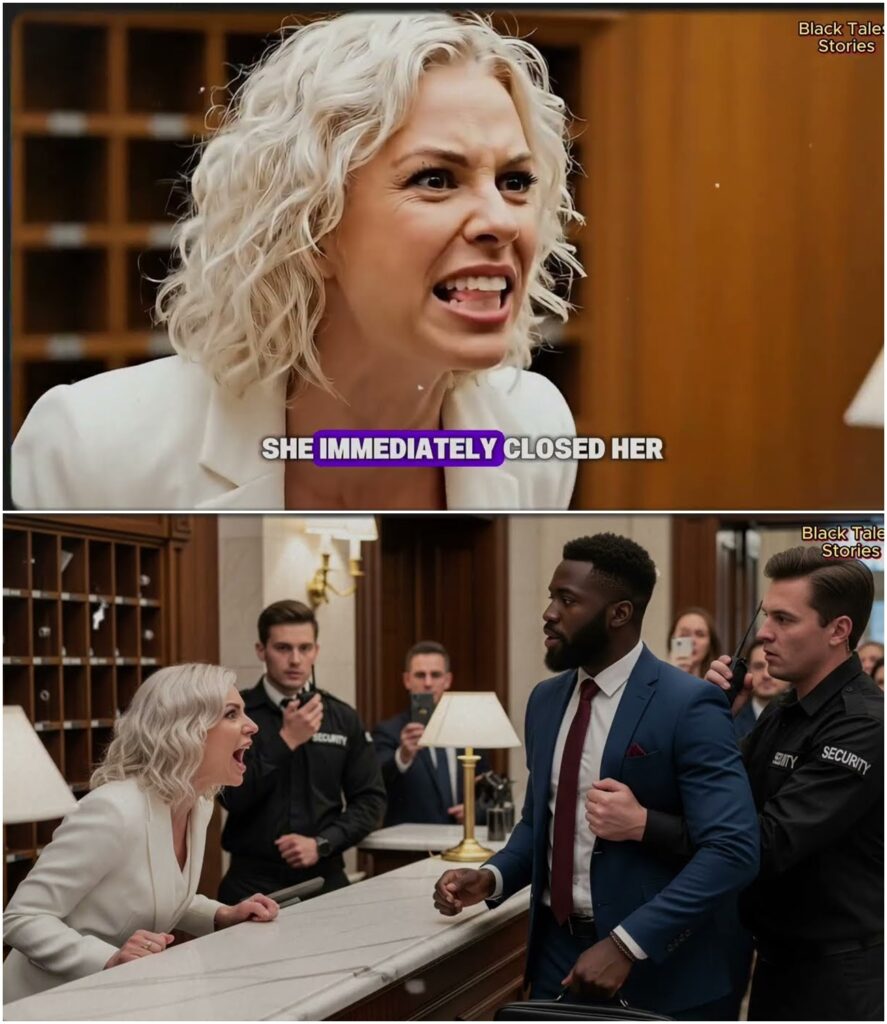
Karen panics at losing control of the narrative. It’s a coincidence. Don’t let this delinquent manipulate you. This is exactly how they work. Create a problem, then offer a solution. She signals to Maria Santos. I want him removed from this flight immediately. He’s harassing passengers and disturbing the peace. Ma’am, that seems extreme. Maria begins.
Extreme? Karen’s voice rises to near hysteria. I paid $12,000 for my ticket. I will not be held hostage by some juvenile delinquent and his ghetto tactics. The air marshal, a stern man in his 50s, approaches from the front of the plane. His hand rests casually near his concealed weapon. Young man, I need you to return to your seat immediately.
This is America, Karen announces to the cabin. We don’t have to tolerate this kind of intimidation. Marcus looks around the cabin. Every face reflects the same assumption. Guilty until proven innocent. Poor until proven worthy. Dangerous until proven safe. Sarah’s cries intensify again as Marcus stops humming. Please, he says quietly.
Just let me try. What’s the worst that could happen? Karen answers with venom. The worst? You could hurt that innocent baby, steal from that family, or worse, people like you. She catches herself before saying something even more explicitly racist, but the implication hangs heavy. The air marshall’s voice carries authority and finality.
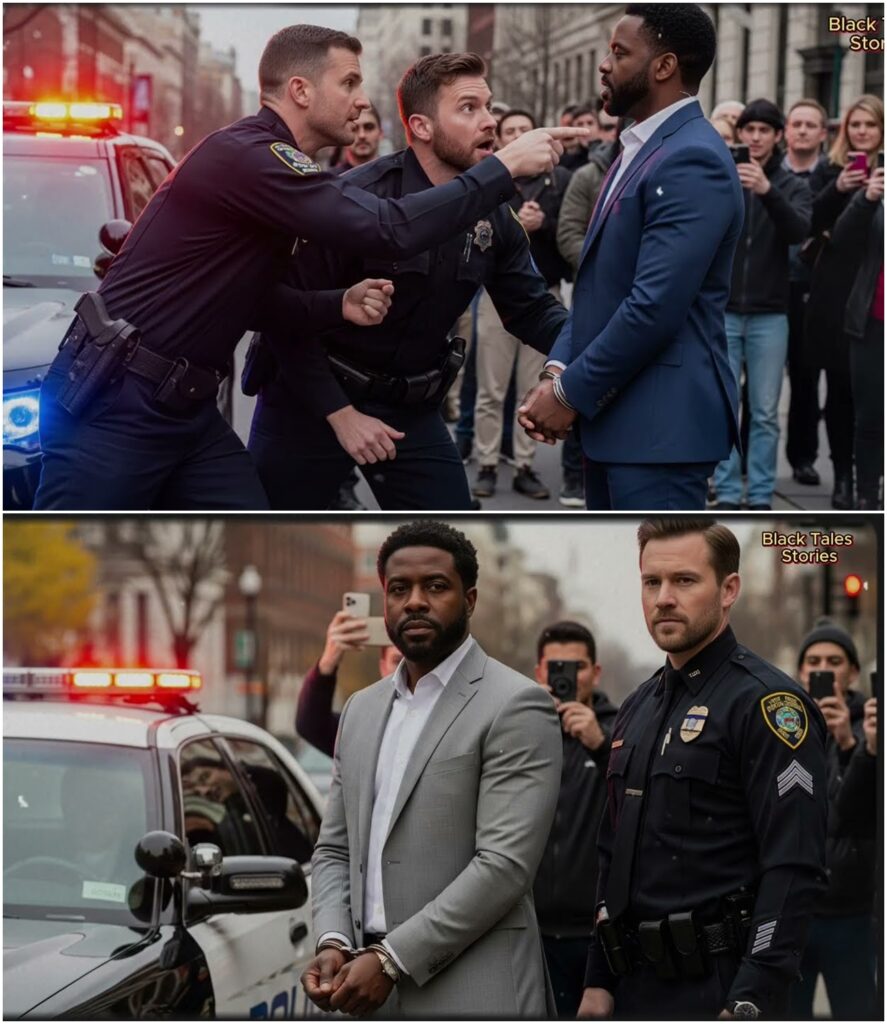
Son, return to your seat now, or I’ll escort you there in handcuffs. As Marcus walks the gauntlet back to economy class, passengers stare with a mixture of relief and righteous satisfaction. They’ve protected themselves from the dangerous other, the intruder, the threat. Karen calls out one final humiliation. And keep that noise to yourself.
Some of us are trying to have a civilized flight. But in his old leather suitcase, hidden beneath worn clothing, lies evidence that will soon turn their comfortable prejudices inside out. Sarah’s cries resume with doubled intensity, as if she knows her salvation just walked away. 20 minutes pass in cabin hell.
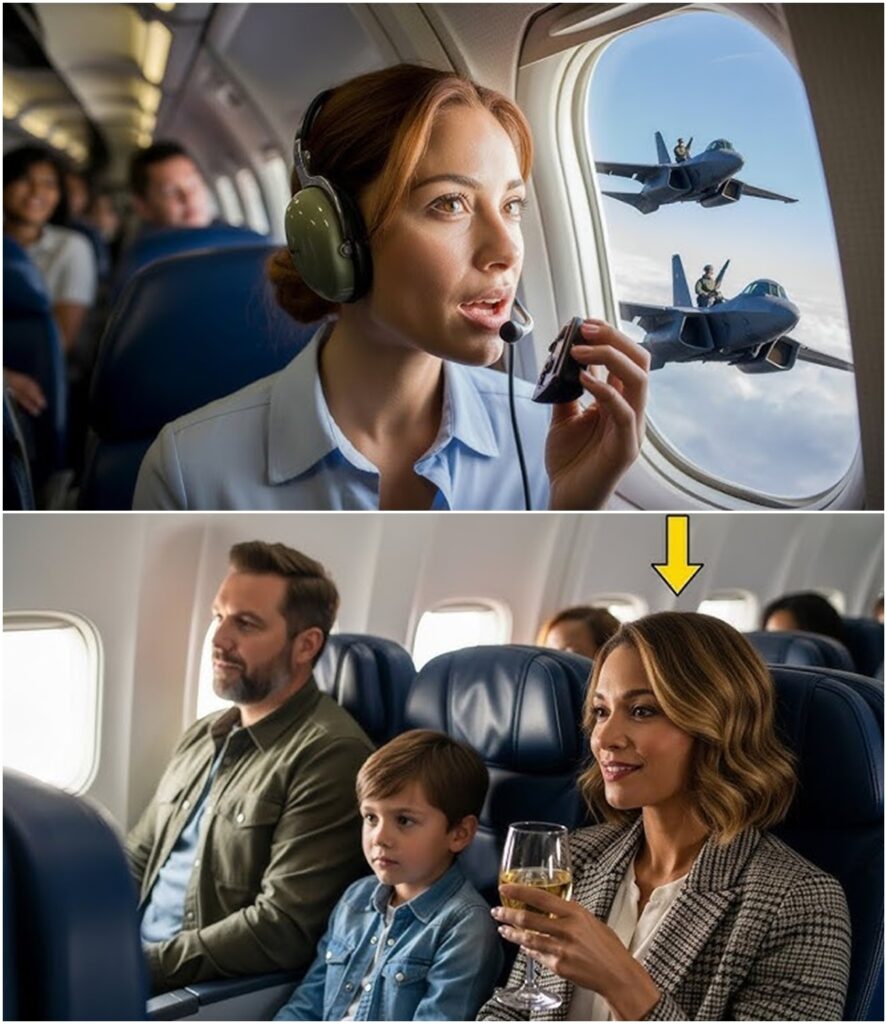
Sarah’s screams have reached a primal intensity that makes grown adults cover their ears. Other babies throughout the plane join the chorus, creating a symphony of infant distress that frays every nerve. The captain’s voice crackles over the intercom. Flight attendants, please prepare for possible emergency landing in Denver. We have multiple passenger complaints and concerns about infant distress.
Karen Wellington sits smuggly in first class, satisfied that she’s protected decent society from the dangerous boy in the back. She sips champagne while scrolling through her phone, occasionally glancing back with victorious disdain. But from seat 34E, something extraordinary begins to happen. Marcus starts humming again, so quietly at first that only the elderly woman beside him notices.
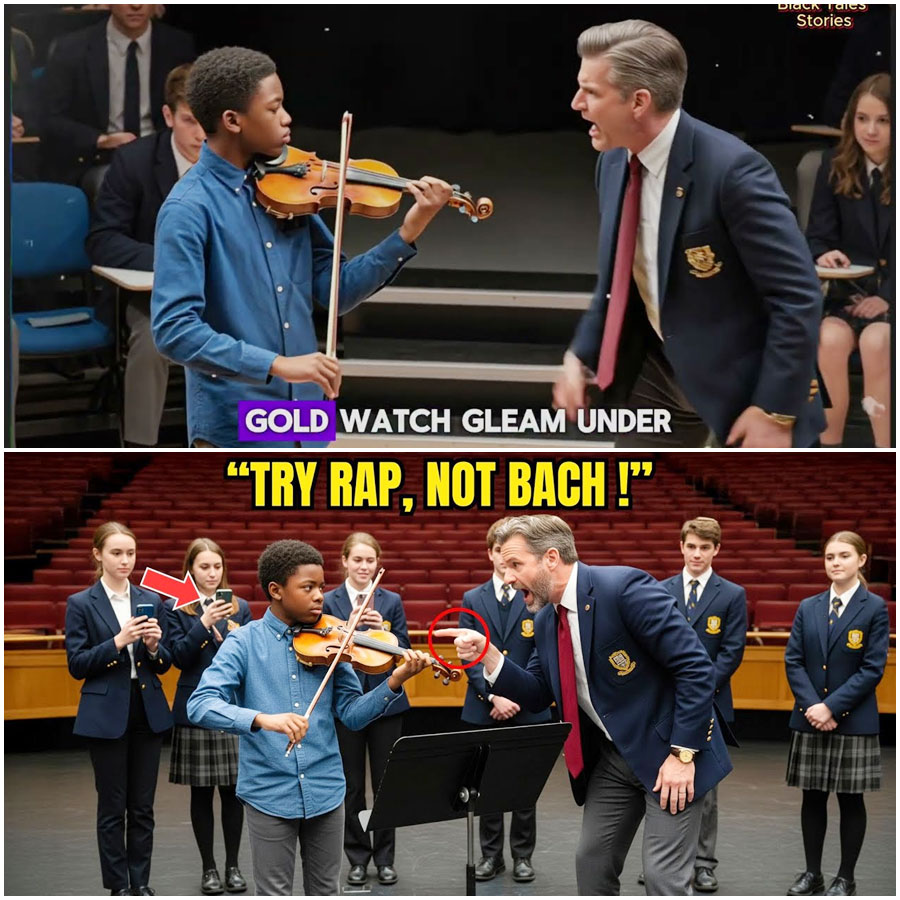
The melody is complex, sophisticated, nothing that should emerge from a teenager in torn jeans. Box air on the G-string, but with subtle variations that demonstrate deep musical understanding. The woman, Elellanar Martinez, taught elementary school for 40 years before retirement. She recognizes genuine talent when she hears it.
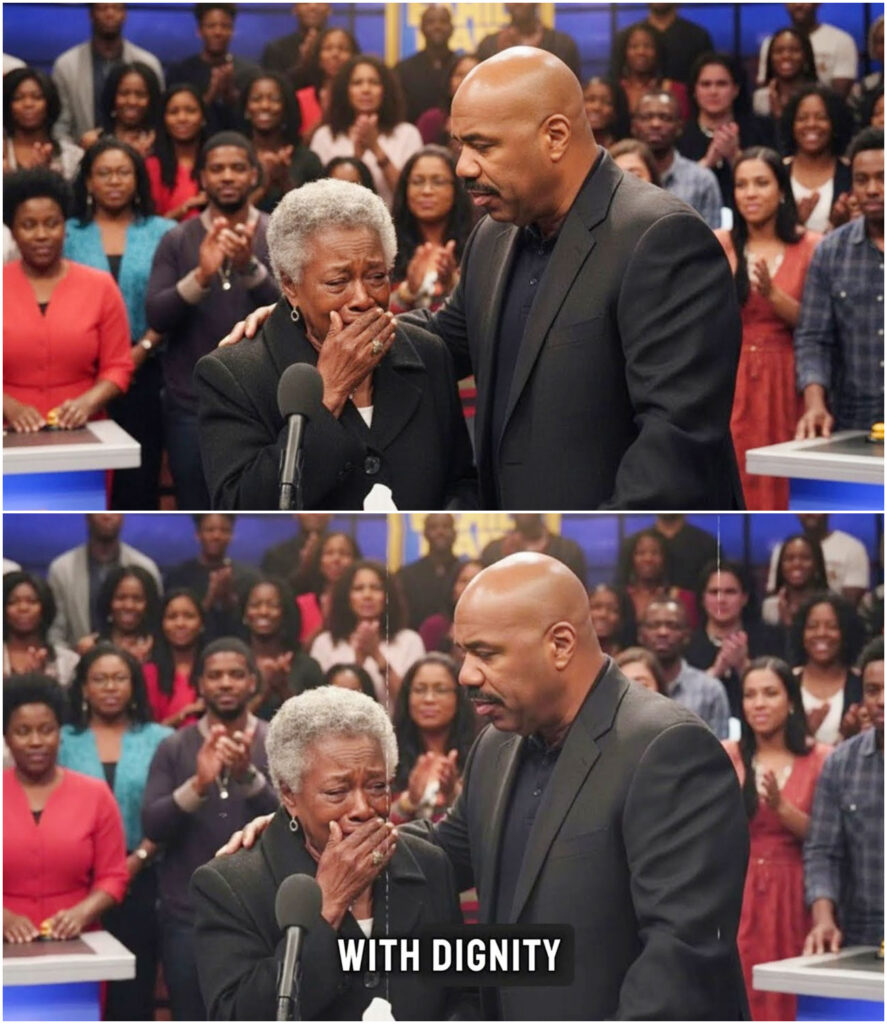
“That’s beautiful, dear,” she whispers. “Where did you learn that?” My grandmother, Marcus replies softly, never stopping the melodic flow. She said, music is medicine for the soul. Three rows ahead, David Carter bounces Sarah desperately while Lisa paces the narrow aisle. The baby’s face is red, her tiny body rigid with distress.
But gradually, almost imperceptibly, something shifts. Sarah’s screams become slightly less piercing. Her tiny fists clenched in fury for hours begin to relax. Her desperate kicking slows to restless movement. “David,” Lisa whispers urgently. “Is she is she calming down?” “I think so,” he replies, hardly daring to hope.
“What changed?” “The answer comes from an unexpected source. A businessman in row 8, the same one who earlier called Marcus trouble, leans forward with confusion. Is someone singing back there? The humming grows slightly stronger, more confident. Marcus maintains perfect pitch and rhythm while incorporating subtle variations that speak of years of training.
Classical music theory flows through his voice like second nature. Sarah’s transformation becomes undeniable. Her cries fade to whimpers, then to curious silence. For the first time in 3 hours, she looks around with alert, interested eyes instead of screaming in distress. “It’s the music,” Ellanar announces to nearby passengers. “That young man’s humming is calming her down.
” Word spreads through the cabin like wildfire. Passengers crane their necks to locate the source of the mysterious melody. Some pull out phones to record, sensing something extraordinary happening. Karen Wellington notices the shift in energy and storms back toward the economy.
What’s all this commotion about? The baby stopped crying, a passenger explains. That kid’s humming worked. Karen’s face contorts with rage. Absolutely not. I will not allow you people to credit that delinquent with anything. She marches to Marcus’ row, her voice sharp with authority. You stop that noise immediately. You’re disturbing passengers with your your street music. Marcus looks up calmly.
The baby seems to like it, ma’am. I don’t care what the baby likes. Karen’s voice carries throughout the cabin. I paid good money for a peaceful flight, not some ghetto concert. Flight attendant Maria Santos approaches cautiously. Ma’am, if the music is helping the infant, it’s not helping anything. Karen interrupts.
He’s manipulating the situation, making noise until people give him attention and money. To prove her point, she demands Marcus stop humming entirely. Complete silence now. Marcus complies, closing his mouth mid melody. The effect is immediate and dramatic. Within 30 seconds, Sarah’s peaceful state evaporates.
Her face reens, tiny fists clench, and the screaming resumes with renewed intensity. Coincidence? Karen declares desperately, but her voice lacks conviction. Eleanor Martinez speaks up with the authority of four decades teaching children. Young man, please continue. That baby needs your music. He doesn’t have permission. Karen begins. I’m giving him permission. David Carter calls out. If it helps Sarah, please keep singing.
Marcus begins humming again. And once more, the magic happens. Sarah settles, her cries fading to contented silence. The transformation is so obvious that even Karen’s supporters begin to question their assumptions. Marcus reaches into his battered suitcase and pulls out a worn leather notebook. As he opens it, sheet music becomes visible.
Complex compositions written in careful handwriting. For eagle-eyed passengers, something else might catch attention. The faint embossing on the notebook’s cover, barely visible through years of wear. Karen spots the notebook and laughs mockingly. Oh, perfect. Now he’s got a prop. probably bought that fake music book at a pawn shop to impress gullible people.
But her laughter sounds forced, nervous. Around the cabin, passengers are starting to put pieces together. The sophisticated melody, the baby’s immediate response, the notebook is full of serious musical compositions. Marcus continues humming while studying his notes, making small adjustments to his melody based on written variations.
His technique displays knowledge of infant psychology combined with advanced musical training. An impossible combination for a street kid from the ghetto. Sarah sleeps peacefully in her mother’s arms for the first time all day. With Sarah sleeping peacefully, Marcus gains unexpected allies throughout the cabin.
Eleanor Martinez becomes his most vocal supporter, using her teacher’s authority to challenge other passengers assumptions. I’ve worked with children for 40 years, she announces. That young man has extraordinary talent. A young mother in row 15 nods enthusiastically. My daughter stopped fussing too when he started humming. It’s like magic. But Karen Wellington refuses to surrender control of the narrative.
She rallies her supporters with increasingly desperate attacks. Don’t let him fool you. This is exactly how con artists work. They create a crisis, then offer a solution. Classic manipulation. A businessman in first class amplifies her message. These people are trained from childhood to exploit good-hearted Americans. They target airplanes because we can’t escape or get help. Exactly.
Karen’s voice rises with righteous indignation. He probably has accompllices on the ground waiting to rob the families he’s helped during the flight. Marcus stands up slowly. his notebook of compositions clutched in his hands. For the first time, he speaks with growing confidence instead of defensive politeness. Ma’am, I understand your concerns, but I’d like to explain something about infant psychology and musical therapy.
His words are articulate, knowledgeable, completely at odds with the street kid narrative Karen has constructed. Several passengers lean forward, intrigued by the contrast between his appearance and his vocabulary. Babies respond to specific frequencies between 125 and 250 hertz, Marcus explains, his voice gaining strength.
The melody I was humming mimics maternal heartbeat rhythms, which creates neurological comfort responses. A doctor in business class looks impressed despite himself. That’s actually accurate medical information. Karen panics at losing her audience. He memorized some Wikipedia articles. Any idiot can repeat medical jargon.
Then let me demonstrate something more complex. Marcus responds calmly. He begins humming again, but this time with deliberate technical variations. This is Brah’s lullabi in the original German key, but I’m modulating to accommodate airplane cabin acoustics and infant hearing frequency preferences. The sophistication is undeniable. Musicians in the cabin recognize advanced music theory in action.
A chist traveling to a New York audition whispers to her companion, “That’s conservatory level training. No question.” Karen’s desperation manifests as more explicit racism. I don’t care how many fancy words he memorized. Look at him. Look at where he’s sitting. These people don’t get real education. They get welfare checks and victim mentalities. Her words shock even some of her earlier supporters.
The cabin atmosphere grows uncomfortable as her mask slips completely. Ma’am, Marcus says with quiet dignity. You keep saying these people. What do you mean? The question hangs in the air like a challenge. Karen realizes she’s been caught expressing her true feelings and doubles down defensively. I mean, people who don’t belong in civilized society, people who take advantage of hardworking Americans who pay taxes and follow rules. Marcus nods thoughtfully. I understand.
You think I don’t belong here because I’m black and poor, but what if you’re wrong about who I actually am? Wrong? Karen’s laugh is shrill with desperation. I can see exactly what you are. Your clothes, your seat, your age, everything screams trouble. Eleanor Martinez stands up with righteous anger. That boy has more class in his little finger than you have in your whole designer outfit. Other passengers begin choosing sides.
The working families in the economy rally around Marcus, recognizing one of their own facing unjust treatment. But several business and first class passengers support Karen, uncomfortable with their existing prejudices being challenged. This is exactly what is wrong with America, declares a man in business class.
We can’t even protect our families on airplanes anymore without being called racist. Marcus reaches into his suitcase again. This time pulling out sheet music with official letterheads visible. I’d like to try something special for Sarah. A composition I wrote specifically for infant neurological development.
He wrote the doctor in business class sounds genuinely curious. How old did you say you were? 14. Marcus replies clearly. And I’ve been composing since I was nine. Karen snatches at the papers in Marcus’ hands. Let me see those fake documents. But Marcus pulls them back protectively. These aren’t fake, ma’am, and I’ll prove it.
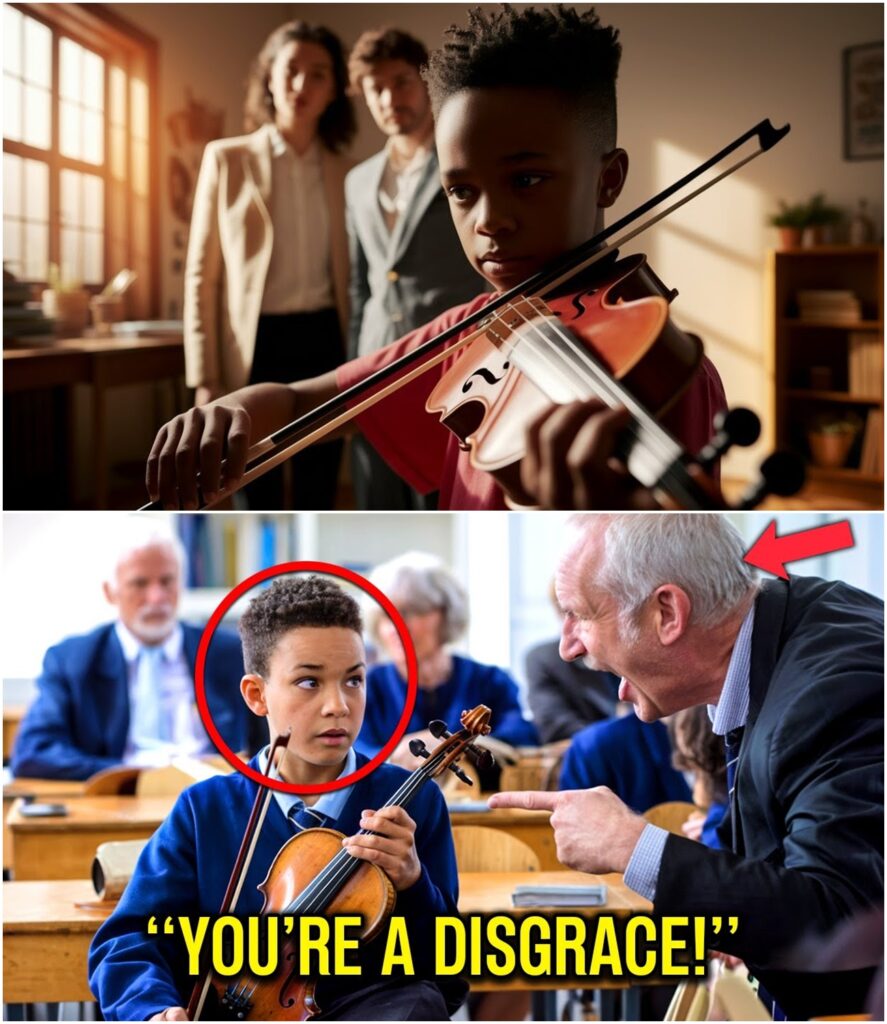
He begins singing, not just humming now, but actual vocals with perfect German pronunciation. The song is Brah’s lullabi, but with complex harmonies and variations that demonstrate deep classical training. His voice is pure, trained, professional quality that silences the cabin.
Sarah not only stays calm, but actually smiles, reaching her tiny hands toward Marcus’s voice. Other babies throughout the plane settle into peaceful quiet. The effect is so dramatic that passengers begin pulling out phones to record. “Stop filming,” Karen demands frantically. “This is a private flight. You can’t record without permission.” But the passengers ignore her. They sense they’re witnessing something extraordinary.
and Karen’s hysteria only confirms that her world view is crumbling. Marcus finishes the song and looks directly at Karen. Would you like to see my credentials now? I think you might be surprised by what you find. The question sends ripples of anticipation through the cabin. After hours of racial attacks and class humiliation, Marcus is finally ready to reveal the truth that will destroy every assumption his tormentors have made. Karen’s face pales as she realizes she might have made a catastrophic mistake.
I I don’t need to see anything from you. I think you do, Marcus says quietly. I think everyone does. He reaches for his suitcase with the confidence of someone who knows exactly what evidence lies inside. Marcus opens his weathered suitcase with deliberate ceremony. The first items that spill out aren’t clothes or typical teenage possessions.
They’re sheets of handwritten musical compositions. Each page covered with complex notations that speak of serious study and sophisticated understanding. “What are those supposed to be?” Karen demands, but her voice waivers with growing uncertainty. Eleanor Martinez peers over Marcus’ shoulder and gasps.
“These are original compositions. Look at this harmonic structure. This is graduate level music theory. Marcus continues unpacking with calm precision. Next comes a manila folder containing official documents with prestigious letterheads. The Giuliard School logo is unmistakable, printed on heavy paper that screams authenticity.
A passenger in row 10 leans forward to read aloud. Marcus Washington, recipient of the Cner Fellowship for Exceptional Young Artists, full scholarship recipient. Giuliard School preol division. The cabin falls silent except for the soft hum of airplane engines. “That’s impossible,” Karen whispers, but doubt creeps into her voice for the first time.
Marcus pulls out a photograph that stops every conversation. The image shows him in formal concert attire, black tuxedo, bow tie, hair perfectly styled, standing beside the conductor of the New York Philarmonic at Lincoln Center. His posture, his smile, his entire presence radiates the confidence of a professional performer.
Oh my god, breathes the chist from business class. I know that conductor. That’s Gustavo Dudamel. More photographs follow. Marcus performing at various prestigious venues, shaking hands with renowned musicians, accepting awards at formal ceremonies. Each image systematically destroys the narrative of a street kid with delusions of grandeur. But the nuclear bomb comes next.
A newspaper clipping from the New York Times dated just 2 weeks ago. The headline reads, “14-year-old prodigy delivers stunning performance at Carnegie Hall.” Let me see that,” demands a passenger, snatching the clipping. She reads aloud with growing amazement. Marcus Washington, the youngest solo performer in Carnegie Hall’s 130year history, captivated audiences with his extraordinary vocal range and mature interpretation of classical masterworks.
Karen’s face drains of color. Those are fake. Anyone can Photoshop newspapers. But passengers are already pulling out smartphones, frantically googling Marcus Washington Giuliard. The search results are immediate and damning to Karen’s worldview. Holy exclaims a businessman, forgetting his professional demeanor.
YouTube video, Marcus Washington Carnegie Hall performance, 18 million views. Here’s another one, calls out the doctor. NPR interview: Child Prodigy overcomes poverty to reach musical heights. The articles paint a picture that’s simultaneously heartbreaking and inspiring.
Marcus, raised by his grandmother in the Bronx after his parents died in a car accident, discovered singing in a church choir at age six, recruited by Giuliard Talent Scouts at nine, youngest student ever accepted into their prestigious program. According to this interview reads Eleanor Martinez, “Despite his extraordinary success, Marcus still travels economy class to stay connected to his roots and honor his grandmother’s lessons about humility. The irony hits like a tsunami.
Karen Wellington, who spent the flight attacking Marcus for his poverty and background, was actually tormenting one of America’s most celebrated young artists, someone whose story embodies every positive value she claims to represent. This can’t be real, Karen insists desperately. He’s probably stolen someone else’s identity. Look at him. Look at his clothes.
But the evidence is overwhelming. Passengers show each other their phone screens. Video interviews, performance footage, glowing reviews from major publications. Marcus Washington isn’t just talented, he’s nationally famous. A young woman near the back starts crying. I was at that Carnegie Hall concert.
I didn’t recognize him because because I assumed She can’t finish the sentence. Marcus pulls out one final item. A letter on official Giuliard letterhead dated 3 days ago. This is from my voice instructor, he explains quietly. She’s recommending me for advanced study with the Vienna Boys choir. They’ve invited me to audition next month. The letter’s authenticity is unquestionable.
Even Karen’s most devoted supporters begin backing away from her, embarrassed by association. “I don’t understand,” stammers the businessman, who earlier called Marcus trouble. “Why didn’t you tell us who you were?” Marcus’s answer cuts through the cabin like a blade. “Would it have mattered? Should I need a resume to offer help to a crying baby?” The question hangs in the air, forcing every passenger to confront their own prejudices.
They judged him not by his character or intentions, but by his appearance and assumptions about his background. Karen makes one final desperate attempt at denial. Even if this is real, it doesn’t prove anything. You still could have been lying about helping the baby. Marcus closes his notebook with quiet finality. Ma’am, I think it’s time I showed everyone what real help looks like.
The stage is set for a performance that will not only vindicate Marcus, but transform every soul aboard flight 447. Marcus stands in the center aisle of economy class, surrounded by damning evidence of his extraordinary talent. But Karen Wellington refuses to surrender, her desperation manifesting as increasingly vicious attacks that shock even her former supporters.
I don’t care what fake documents you bought, she screams, her carefully maintained composure completely shattered. Mascara streaks down her cheeks, her Chanel suit wrinkled from frantic gesturing. You’re still just another welfare brat trying to con decent people with stolen papers and crocodile tears. Her words hang in the cabin air like toxic fumes. The businessman who earlier agreed with her looks visibly uncomfortable, loosening his tie and avoiding eye contact. Ma’am, maybe we should reconsider.
Reconsider what? Karen whirls on him with pure fury, her voice reaching a pitch that makes babies stir. Let this little criminal manipulate us with soba stories and fake credentials. This is exactly how they operate. Playing the victim, exploiting white guilt, stealing opportunities from deserving families.
The racist subtext becomes explicit text, causing several passengers to gasp audibly. A young mother shields her children’s ears while shooting Karen disgusted looks. Marcus remains perfectly calm despite the racial venom pouring over him like acid rain. His posture stays straight, dignified, unbroken. I understand your skepticism, ma’am.
Words and documents can always be questioned. But music, music doesn’t lie. It can’t be faked or stolen or manipulated. It simply is. He moves deliberately to the center of the main aisle, positioning himself where every passenger can see and hear clearly.
The airplane’s cramped quarters transform into an intimate concert hall as travelers crane their necks for optimal viewing angles. Even the flight crew gathers at both ends of the cabin. I’m going to perform something I composed myself, Marcus announces with quiet confidence that fills the space. It’s called Dreams Over Clouds, written specifically for children who’ve lost their way, who’ve forgotten they’re capable of soaring. Karen’s face contorts with desperate rage. performance.
You think this is some kind of show? Some ghetto talent competition? You’re not entertaining us, you little She catches herself milliseconds before saying the racial slur, but the implication cuts through the cabin like a blade. Actually, interrupts Dr. Stevens from business class, adjusting his glasses nervously. I’d very much like to hear this.
If he’s genuinely from Giuliard, this could be quite remarkable. He’s not. Karen shrieks, her voice cracking with hysteria. Can’t you see what’s happening? He’s playing all of you like puppets. This is exactly what they teach these people in the inner cities. Manipulate liberal sympathy. Exploit bleeding hard emotions. Steal from hardworking Americans.
Eleanor Martinez rises from her seat with righteous fury blazing in her eyes. That’s enough. Your racism is absolutely disgusting. I’ve taught children for 40 years, and that boy has more character than you’ll ever possess. Racism? Karen laughs with unhinged hysteria. I’m being realistic. I’m protecting decent families from predators who prey on kindness.
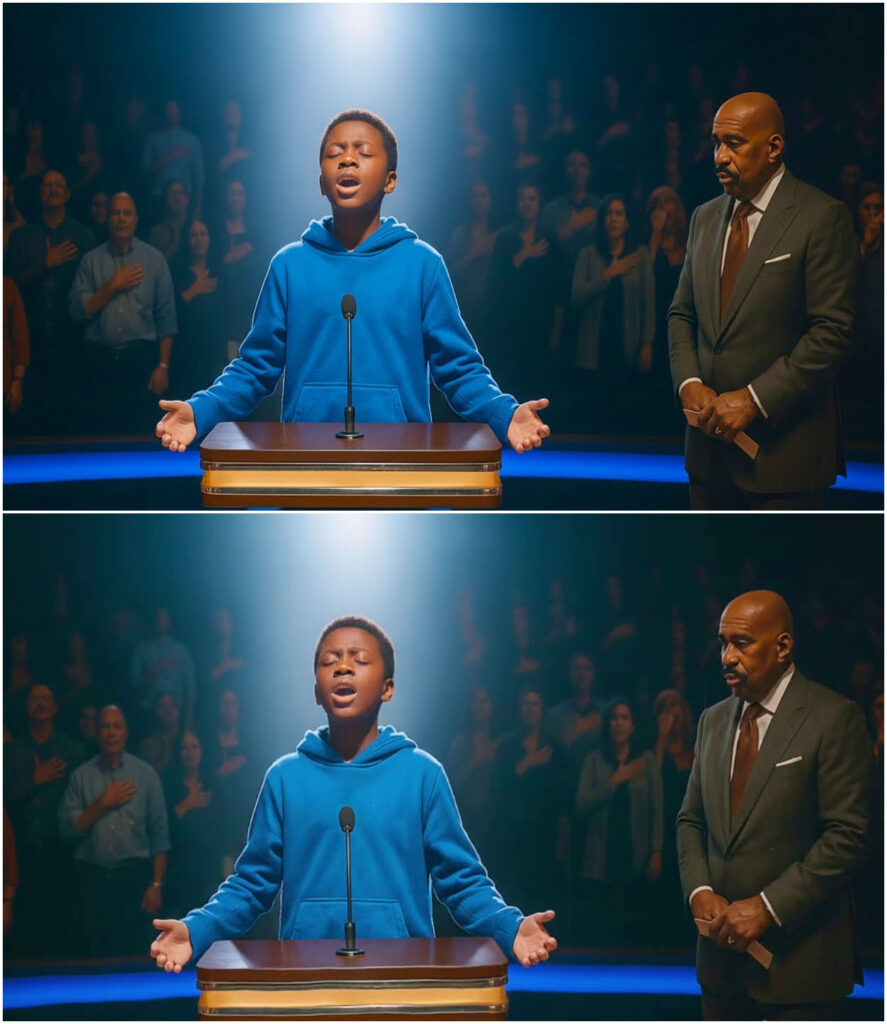
Marcus closes his eyes, centers himself with the meditation techniques his grandmother taught him, and begins. The first note emerges from his throat like liquid starlight, pure and crystalline in the pressurized cabin. It resonates through the metal fuselage with impossible clarity, immediately establishing that this isn’t amateur talent or raw natural ability.
This is worldclass vocal training combined with extraordinary genetic gifts shaped by years of rigorous discipline. The melody begins softly, conversationally intimate, as if Marcus is speaking directly to baby Sarah’s sleeping soul. His breath control demonstrates masterful technique. Each phrase flows seamlessly into the next without apparent effort, supported by diaphragmatic breathing that creates maximum resonance in minimal space.
High above the world tonight, floating on silver wings. Close your eyes, my little one, and hear what the angel sings. His voice possesses that rare quality that immediately captivates every ear within range. Passengers who were checking phones, reading books, or engaging in whispered conversations stop everything to listen.
The airplane’s mechanical soundtrack, air conditioning, engines, electronic beeping, fades into irrelevant background as Marcus’ voice claims every corner of the cabin. The song’s sophisticated structure reveals itself as advanced classical composition disguised as accessible emotional appeal. Complex harmonic progressions underly simple, memorable melodies.
Professional musicians aboard recognize immediately that they’re witnessing something extraordinary. When the storms of life arise and the world seems cold and dark, remember love will light the way like a gentle beating heart. Sarah sleeps peacefully in her mother’s arms, stirring slightly to smile in her dreams, as if recognizing the voice that brought her comfort.
But the music’s magic extends far beyond its original intended recipient. A toddler three rows forward stops fussing completely. An elderly gentleman with tears streaming down weathered cheeks remembers his own grandfather’s lullabies from 70 years past. Karen watches in growing horror as her support system evaporates.
Passengers who minutes ago nodded agreement with her racial assumptions now stare at Marcus with undisguised awe, their prejudices crumbling in real time. The song’s second verse showcases Marcus’ technical mastery in ways that leave professional musicians speechless. He incorporates complex vocal runs that demonstrate serious oporatic training while maintaining the lullabi’s emotional intimacy.
His pitch remains flawlessly accurate throughout multiple key modulations. His rhythm sophisticated yet feeling completely natural. Though the journey may be long and the path seems hard to find, keep the music in your heart. Let it lift your weary mind. The lyrics take on deeply personal meaning as Marcus’ own story becomes clear to anyone truly listening.
He’s singing about his own journey, losing his parents in that devastating car accident, facing grinding poverty, enduring constant racism, finding salvation and identity through music when everything else failed. Flight attendant Maria Santos wipes tears from her eyes, forgetting professional composure entirely.
The businessman who called Marcus trouble stares in shocked silence, his worldview reshaping in real time. Even the air marshal, trained to remain emotionally detached, finds himself profoundly moved by the extraordinary performance unfolding at 35,000 ft. Karen makes one final desperate attempt to disrupt the transcendent moment. Stop this charade right now.
You’re all being manipulated by a juvenile delinquent with a decent voice and stolen sheet music. But her words bounce harmlessly off the protective cocoon of beauty Marcus has woven around the cabin. Passengers actually turn to glare at her with genuine anger, furious that she’s attempting to interrupt something sacred and healing.
Marcus flows seamlessly into the bridge section where his voice soarses to heights that shouldn’t be anatomically possible for a 14-year-old’s vocal cords. He harmonizes with himself through advanced vocal techniques learned from worldclass instructors, creating the ethereal illusion of multiple angelic voices singing in perfect unity.
So dream beyond the clouds tonight where possibilities are born. Tomorrow holds a symphony for you to greet the dawn. The emotional climax builds as Marcus pours his entire life story into the performance. Every moment of rejection, every cruel assumption about his worth, every time someone looked at his thrift store clothes and decided he was worthless, it all transforms into something luminous, healing, and transcendently beautiful.
Sleep now, precious child of hope. Let peace carry you away. Music lives within your soul, and love will light your way. His voice breaks slightly on the final phrase, not from technical failure, but from pure overwhelming emotion. The vulnerability makes the performance even more powerful, reminding everyone that despite his extraordinary talent and national recognition, he’s still fundamentally a 14-year-old boy who’s faced more hardship and loss than most adults endure in lifetimes. The song concludes with Marcus holding a perfect high note that seems to float in
the air like a blessing from divine sources. He fades gradually to gentle humming, then to profound sacred silence. For 10 full seconds, no one moves or breathes. The cabin exists in suspended animation as if the airplane itself is holding its breath in reverence for what just occurred.
Then spontaneous applause erupts from the back rows and spreads forward like wildfire consuming dried prejudice. Passengers leap to their feet with genuine enthusiasm, clapping and cheering with tears streaming down faces of every color and background. Smartphones appear everywhere, capturing this moment of transformation for eternal posterity.
Bravo, shouts the professional chist, her classical training allowing her to recognize true artistry. That was beyond Carnegie Hall quality. It was straight from heaven. Eleanor Martinez corrects, her voice thick with emotion. Karen Wellington stands frozen in the aisle, her entire world view crumbling around her like ancient rotten foundations.
She’s just witnessed something that destroys every assumption she’s made about race, class, and human worth. The dangerous ghetto kid she tried to remove from civilized society is actually one of America’s most celebrated young artists. The performance’s impact ripples through the cabin in ways that transcend individual transformation. Passengers begin approaching Marcus with heartfelt apologies and genuine requests.
Business cards appear from music industry professionals who happen to be aboard. The captain’s voice crackles over the intercom, cutting through the thunderous applause. Ladies and gentlemen, this is Captain Rodriguez. I’ve been flying for 28 years, and I’ve never heard anything like what just happened in our cabin. Mr. Marcus Washington.
On behalf of American Airlines and every soul aboard this aircraft, please accept our profound gratitude for bringing peace and beauty to our flight. The announcement triggers another wave of cheering. Passengers stamp their feet and whistle appreciation. Even the most reserved business travelers smile and clap with genuine enthusiasm. Karen Wellington stands alone in the aisle, abandoned by every former ally, watching her social world collapse in real time.
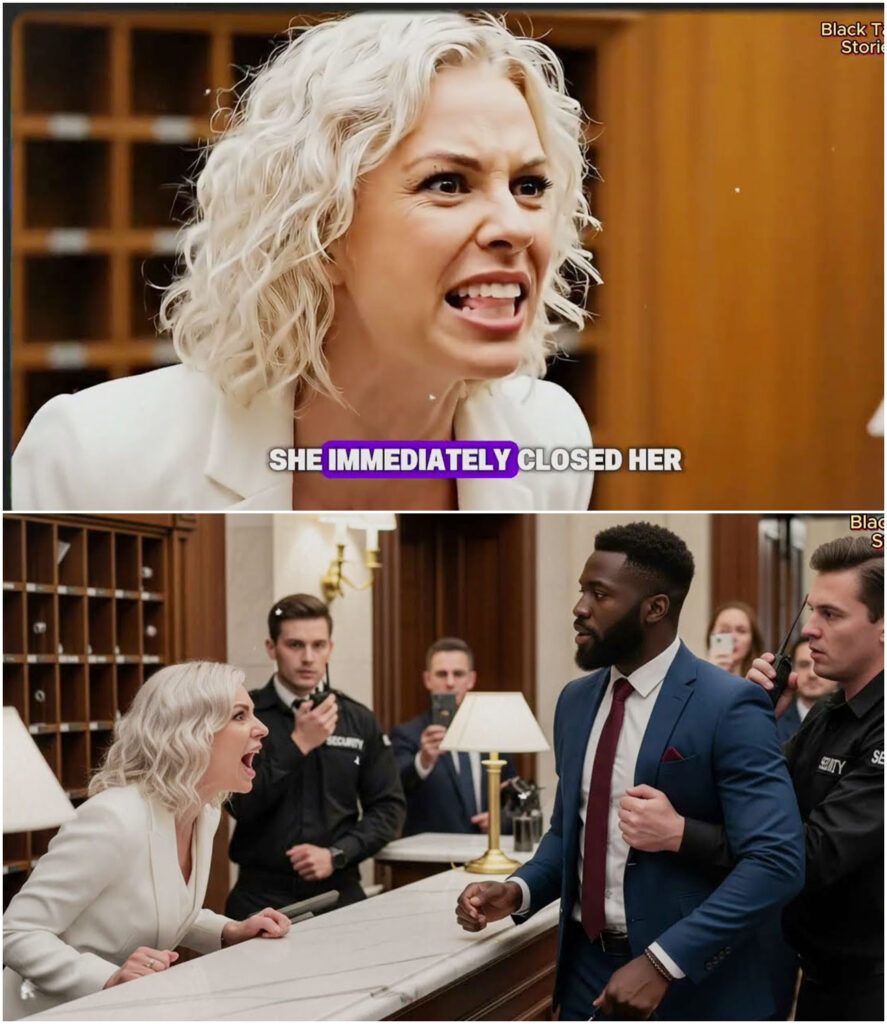
The weight of her public racism crushes down like cabin pressure decompression. Her hands shake as she realizes dozens of passengers recorded her vicious attacks on a celebrated artist. I I need to Karen’s voice cracks as she approaches Marcus. Her designer composure has completely evaporated, leaving raw humanity exposed. Mr. Washington, I owe you an apology that words cannot adequately express.
Marcus looks at her with the same grace he’s shown throughout the ordeal. Apology accepted, ma’am. No, it’s not enough, Karen insists, tears streaming down her face. I was cruel, racist, and completely wrong. Everything I said came from prejudice and ignorance.
She reaches into her purse with trembling hands. Please take my business card. I want to sponsor your next concert. Donate to whatever programs support young musicians like yourself. Eleanor Martinez starts a spontaneous collection, passing a hat through the cabin. Let’s show Marcus how much his gift means to us. Bills and coins flow freely from passengers who moments ago viewed him as a threat.
A software engineer from Silicon Valley pledges $1,000 on the spot. The professional chist offers to arrange introductions with her contacts at major symphony orchestras. Social media explodes in real time. Plane boy Carnegie Hall trends instantly as passengers upload videos. American Air’s Twitter account retweets clips with pride.
Classical music lovers share the story worldwide within minutes. Marcus deflects attention with characteristic humility. Thank you all, but I just wanted to help a baby stop crying. Now I need to get to my grandmother. She’s waiting for me in the hospital.
Baby Sarah sleeps peacefully in her mother’s arms, her face serene for the first time all day. Lisa Carter whispers to her husband, “She’s been calm for over an hour. It’s like a miracle.” Flight attendant Maria Santos approaches with tears in her eyes. “In 15 years of flying, this was the most beautiful experience I’ve ever witnessed. We’d like to upgrade you to first class.
” Thank you, but I’m comfortable where I am, Marcus replies, patting his worn suitcase. My grandmother taught me that your character doesn’t change with your seat assignment. The airplane begins its final descent into JFK airport, but the real transformation has already landed in every heart aboard flight 447. Landing at JFK airport becomes a media circus unlike anything the facility has seen since presidential arrivals.
Word of the viral videos leaked ahead of the flight, drawing news crews from every major network. As passengers disembark, reporters surge forward with cameras and microphones, creating a carnival atmosphere in the terminal. Marcus, Marcus Washington, journalists shout over each other.
How do you respond to being called America’s angel in the sky? Marcus walks through the chaos with remarkable composure for a 14-year-old thrust into spontaneous fame. His worn sneakers and faded hoodie create striking contrast against the polished media environment. I just helped a baby stop crying. That’s what anyone should do. Karen Wellington faces a different reception.
Videos of her racist attacks have already exploded across social platforms, making her the unwitting face of prejudice confronting extraordinary grace. Her real estate company’s phones ring nonstop with cancellation demands. Protesters gather outside her Manhattan office with signs reading, “Music has no color and “Judge character, not clothing.” But Karen surprises everyone by embracing accountability instead of hiding.
She grants exclusive interviews, publicly admitting her bias and announcing the establishment of the Marcus Washington Music Scholarship Fund with a $50,000 initial commitment. “I was absolutely wrong,” she tells CNN’s Anderson Cooper. My prejudice blinded me to extraordinary talent sitting 20 ft away.
I’m committed to fighting the racism I displayed and supporting young artists regardless of background. The viral explosion reaches unprecedented levels. Within 48 hours, # music has no color trends in 17 countries. The original performance video accumulates 50 million views across platforms. Celebrity musicians from Lin Manuel Miranda to Yoyo Ma share the story, adding their voices to a growing movement celebrating hidden talent. Major news outlets compete for exclusive access.
NPR features Marcus’ story as their lead segment. The Today Show books him for a live performance. Time magazine puts him on their influential teens short list. Record labels flood Marcus’ phone with contract offers. Sony Classical proposes a debut album. Carnegie Hall invites him for a return engagement.
The Vienna Boy’s choir accelerates their audition timeline, expressing urgent interest in his extraordinary gifts. At Bronx Lebanon Hospital, Marcus’ grandmother watches the videos on a borrowed tablet, her oxygen mask fogged with tears of pride. “That’s my baby,” she whispers to nurses gathered around her bedside. I always knew that voice was special, but this her vital signs improve dramatically as hope floods back into her failing body.
American Airlines transforms the incident into a companywide learning opportunity. CEO Doug Parker personally calls Marcus to apologize and offer lifetime complimentary flights. The airline implements new anti-discrimination training for all staff using flight 447 as a case study in recognizing unconscious bias. Baby Sarah’s family maintains close contact with their unlikely savior.
David Carter creates a GoFundMe for Marcus’ continuing education that raises over $200,000 in 3 days. Lisa posts regular updates showing Sarah’s development, crediting Marcus’ early intervention with her unusually calm temperament. The story transcends entertainment to become a cultural milestone. Harvard Business School adds the case to their diversity curriculum.
Congressional representatives cite Flight 447 in speeches about judging character over circumstances. Elementary schools across America use the videos to teach tolerance and recognizing hidden potential. Through it all, Marcus remains remarkably grounded. He still flies economy class, still carries the same worn suitcase, still deflects praise toward his grandmother’s teachings.
When asked about his sudden fame, he simply says, “Music brought us together. Now maybe we can listen better to each other.” The 14-year-old who boarded flight 447 as an invisible passenger deplanes as a national symbol of hidden genius waiting to be discovered in unexpected places. 3 months later, Marcus Washington stands on the Carnegie Hall stage again, but this time he’s not alone.
Baby Sarah, now 11 months old, sits in the front row with her parents, clapping her tiny hands as her unlikely guardian angel takes his bow. In the audience, Karen Wellington wipes tears from her eyes while filming on her phone. The same device she once used to document her shame now captures her redemption. But this story isn’t really about Marcus Washington, extraordinary as he is.
It’s about the Marcus Washingtons we pass every single day without seeing, without hearing, without recognizing the miracles hidden in plain sight. How many times do we judge someone’s worth by their zip code, their clothing, their age, or the color of their skin? How many symphonies go unheard because we decided the composer doesn’t look the part? How many Einsteins sweep our floors while we’re too busy to notice their genius? Marcus teaches us that talent doesn’t announce itself with designer labels or impressive addresses. Excellence doesn’t
require permission from people who think they know better. And sometimes, maybe most times, the most extraordinary gifts come wrapped in the most ordinary packages. The homeless veteran on the corner might be a decorated hero. The cleaning lady in your office could speak five languages. The teenager in the hoodie might be the next Mozart.
The question isn’t whether miracles exist around us. It’s whether we’re humble enough to recognize them. Here’s your challenge this week. Have one real conversation with someone you might normally overlook. The grocery cashier, the bus driver, the quiet kid in class. Ask about their dreams, their stories, their hidden talents.
You might just discover that the person you’ve been ignoring is exactly the person you need to meet. If this story moved you, share it. Use hash see beyond surface to tell us about a time when someone surprised you with their hidden greatness. Comment below about someone in your life who deserves more recognition. Subscribe to Blacktail stories for more stories about extraordinary people hiding in plain sight.
Because next week we’re featuring the homeless woman who solved an MIT math problem that stumped professors for 3 years. Remember Marcus’s words, “Music doesn’t see color or class. It just sees human hearts.” What beautiful music are you not hearing because you’re not really listening. Ring that notification bell, hit subscribe, and let’s build a world where everyone gets the chance to share their song.
Because every single person you meet is fighting battles you know nothing about, carrying dreams you’ve never imagined, and possessing talents that could change your life. If you’re brave enough to look past the surface and see the symphony waiting underneath,
News
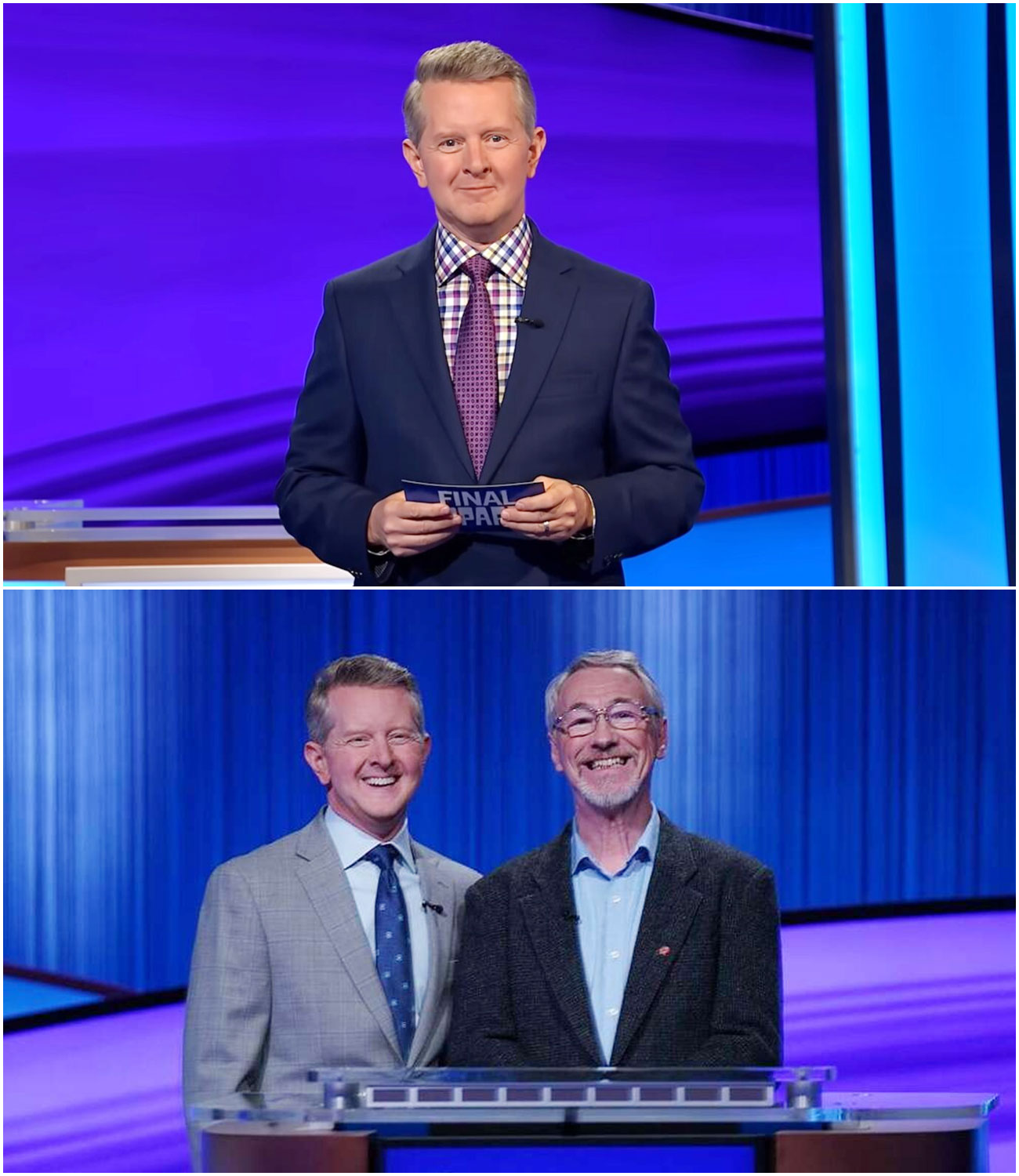
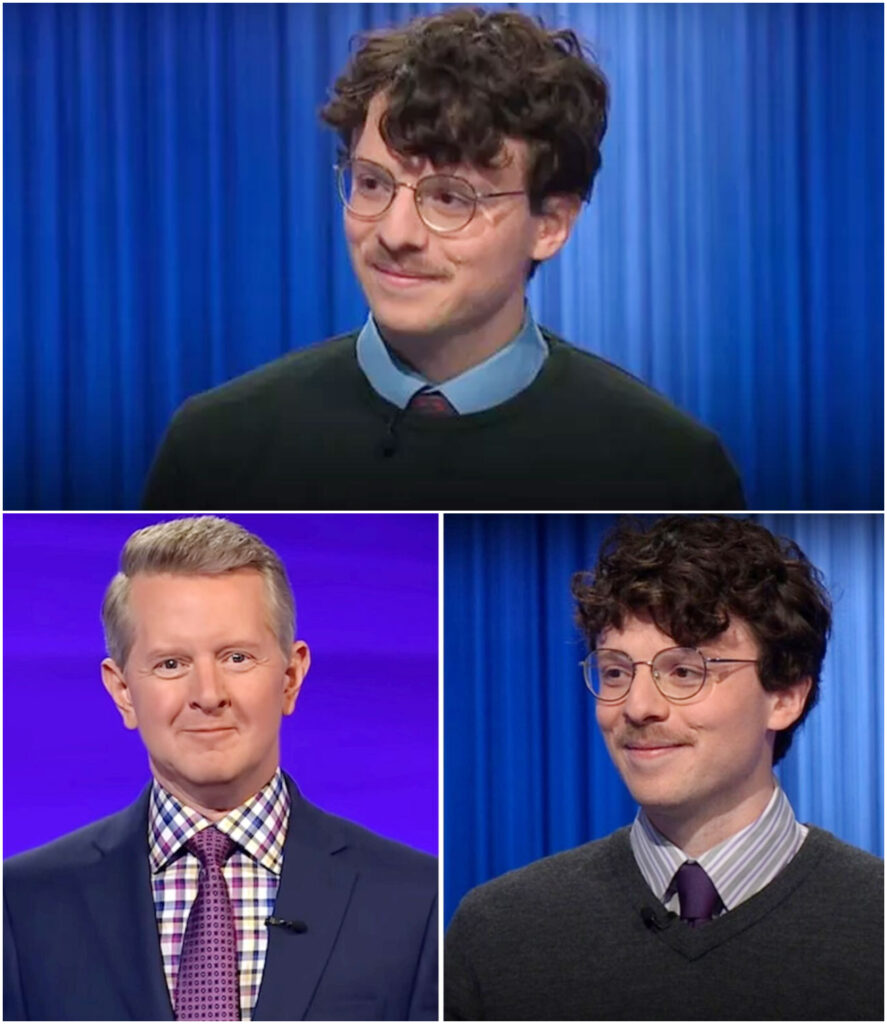
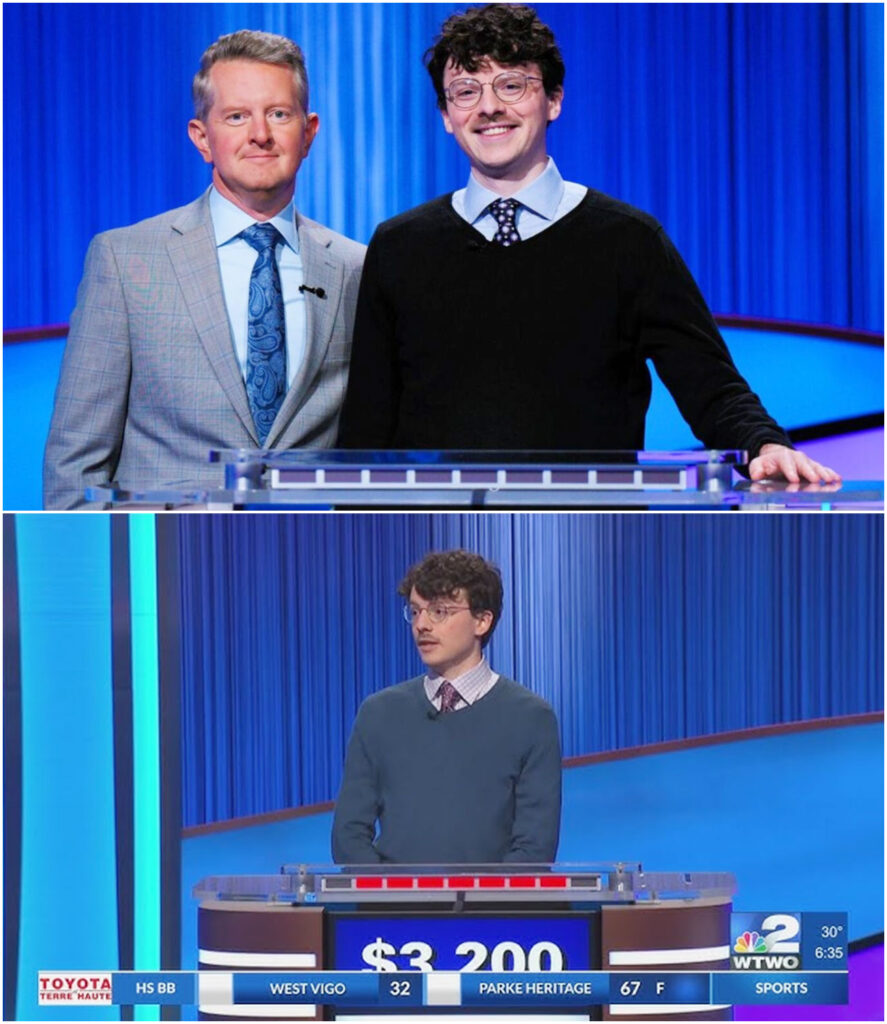
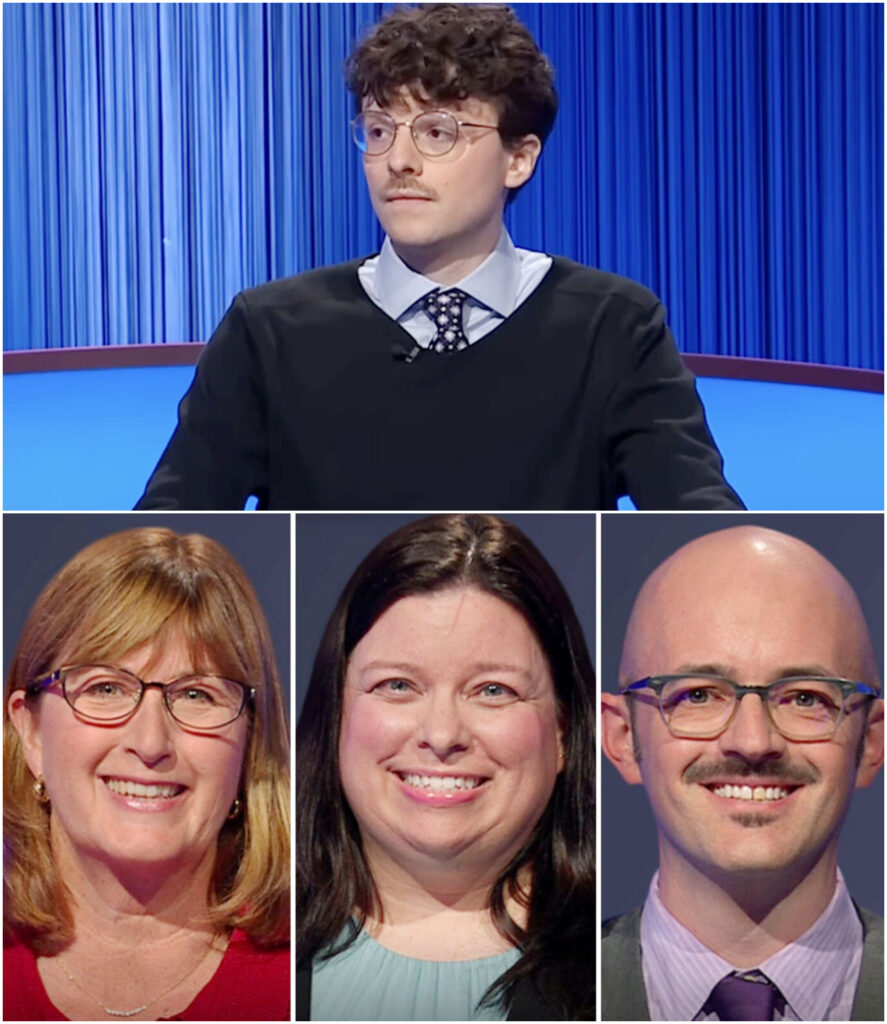
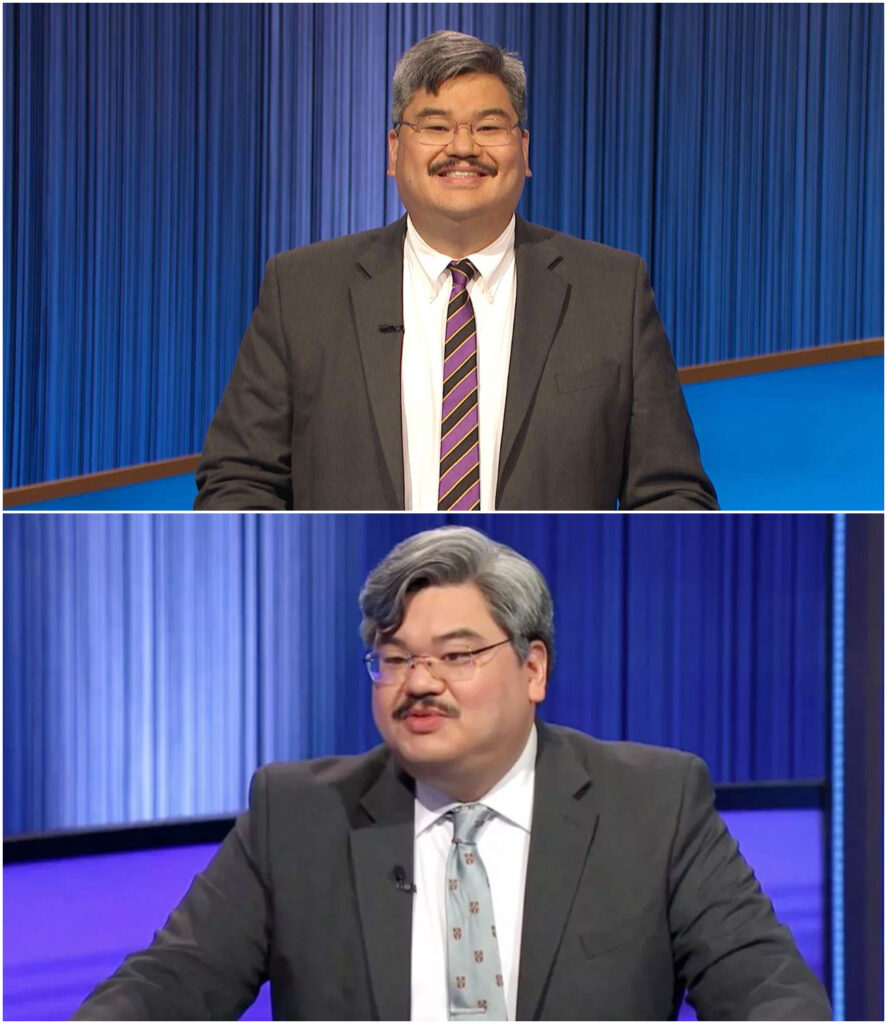
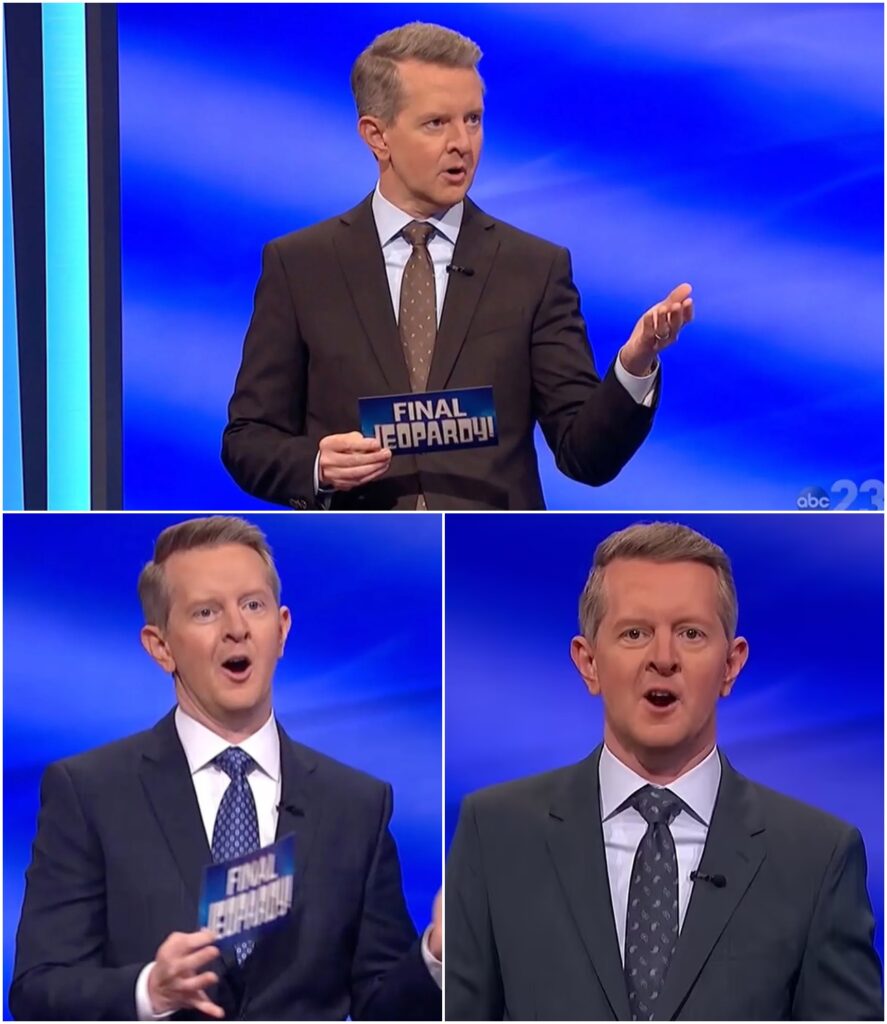
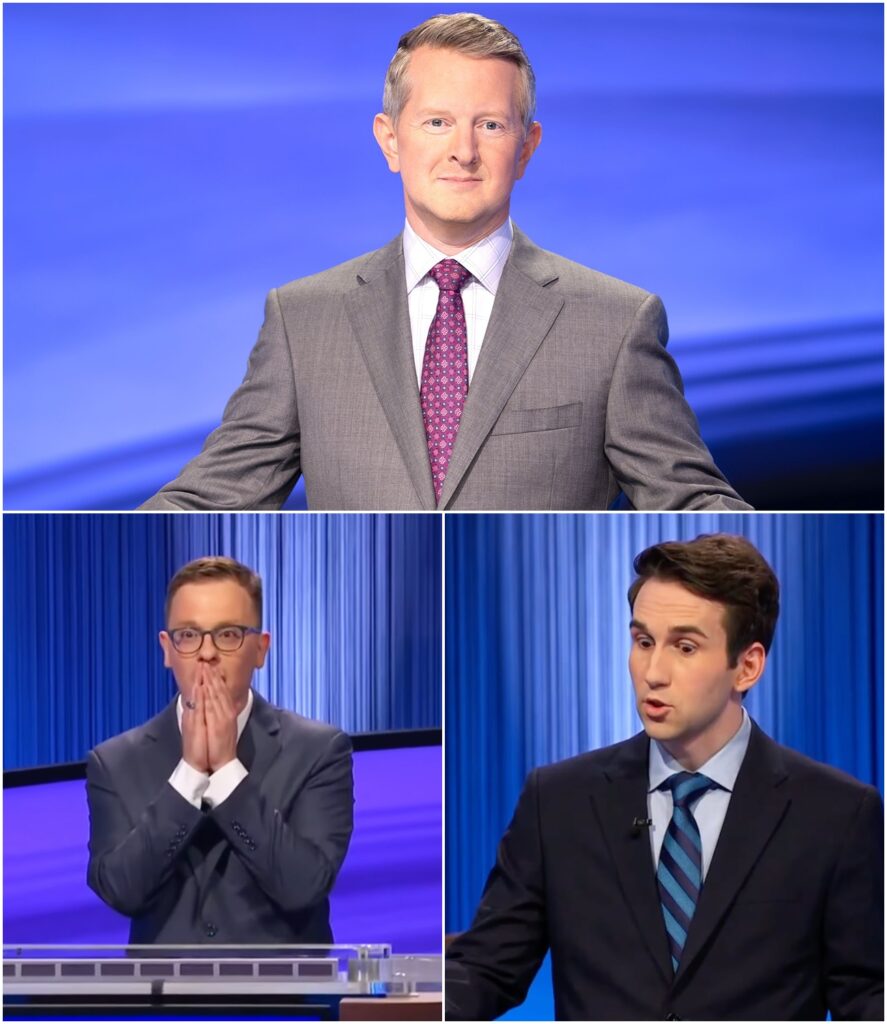
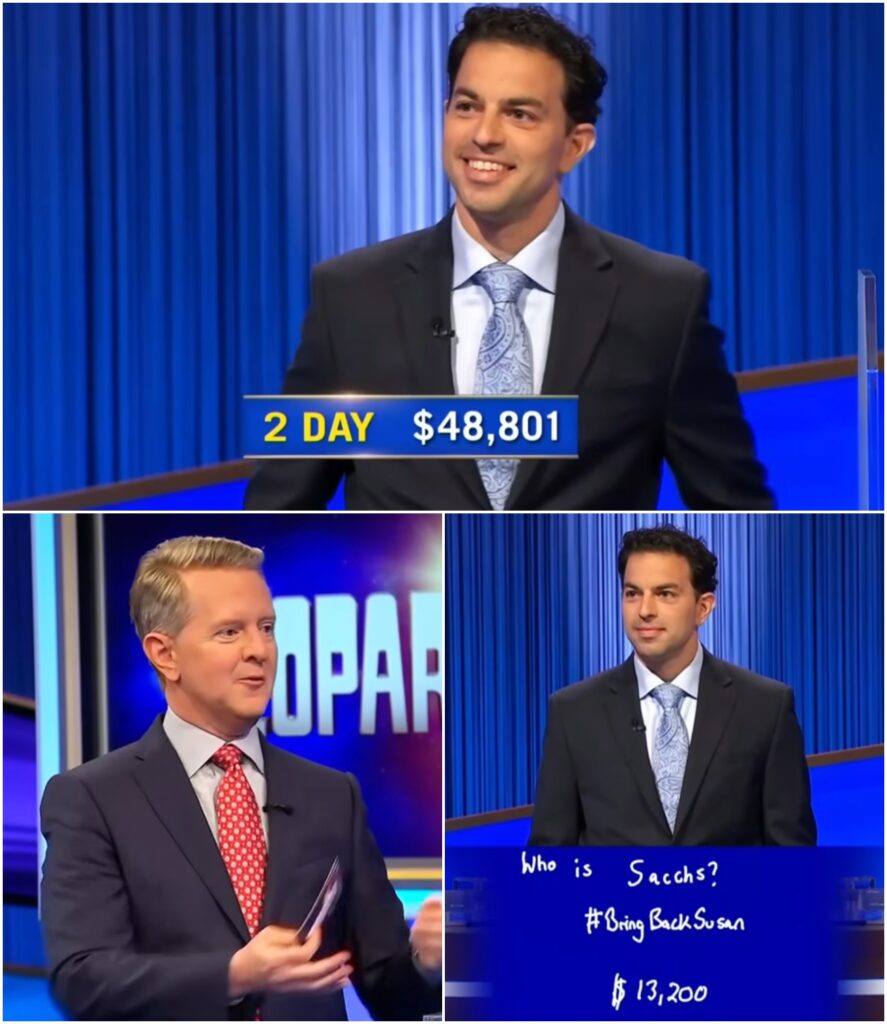
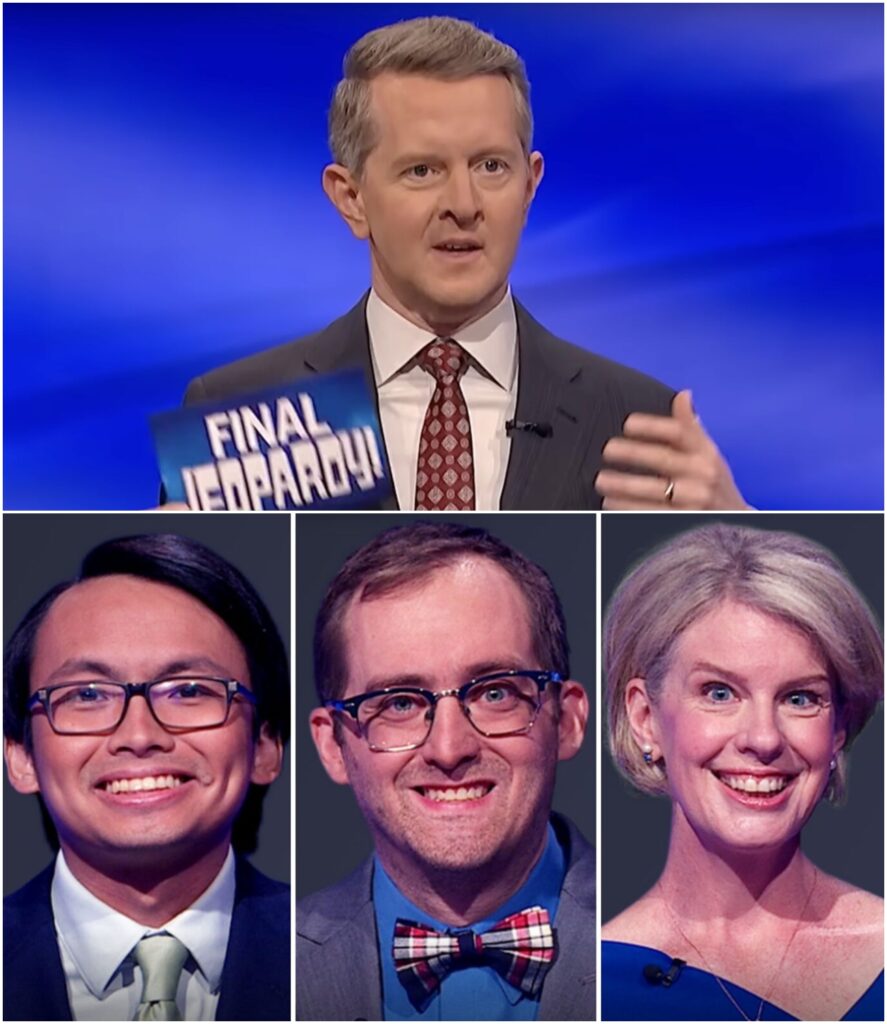
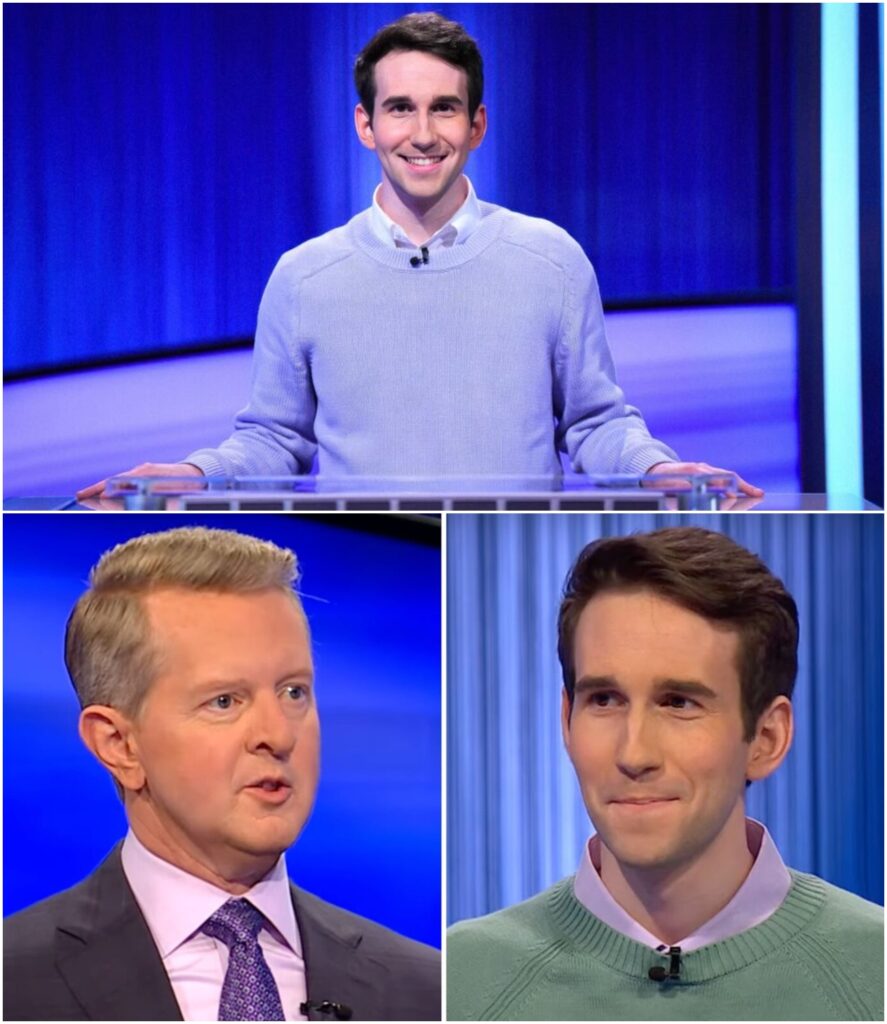
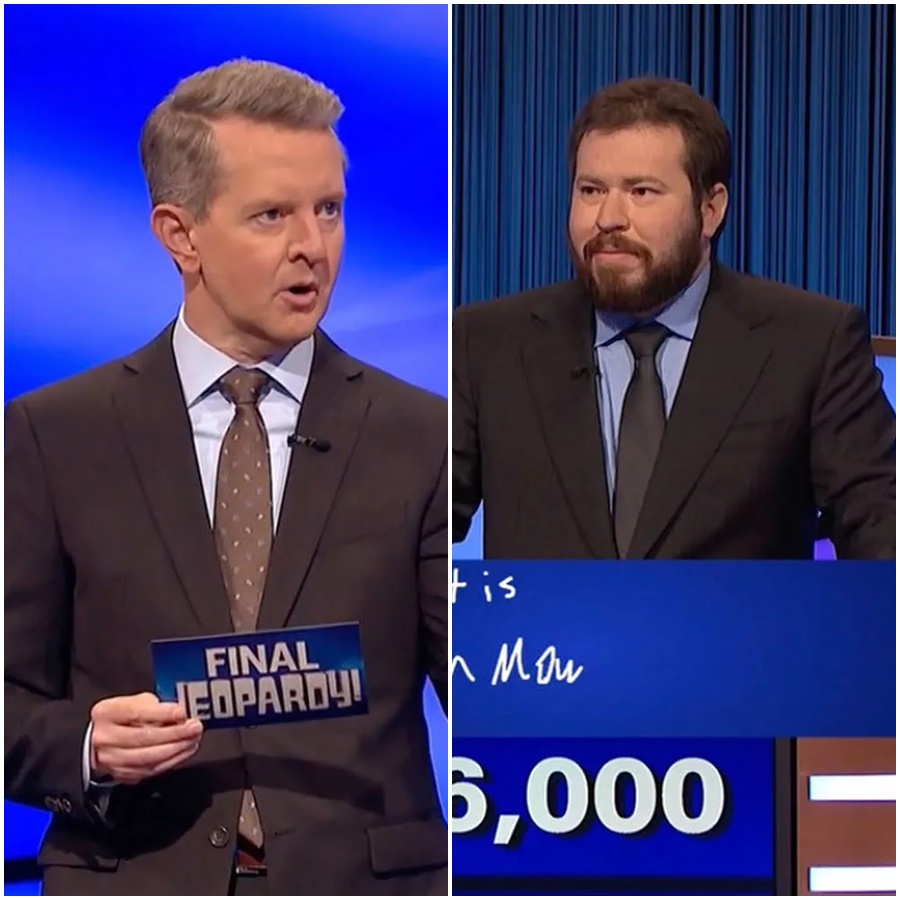
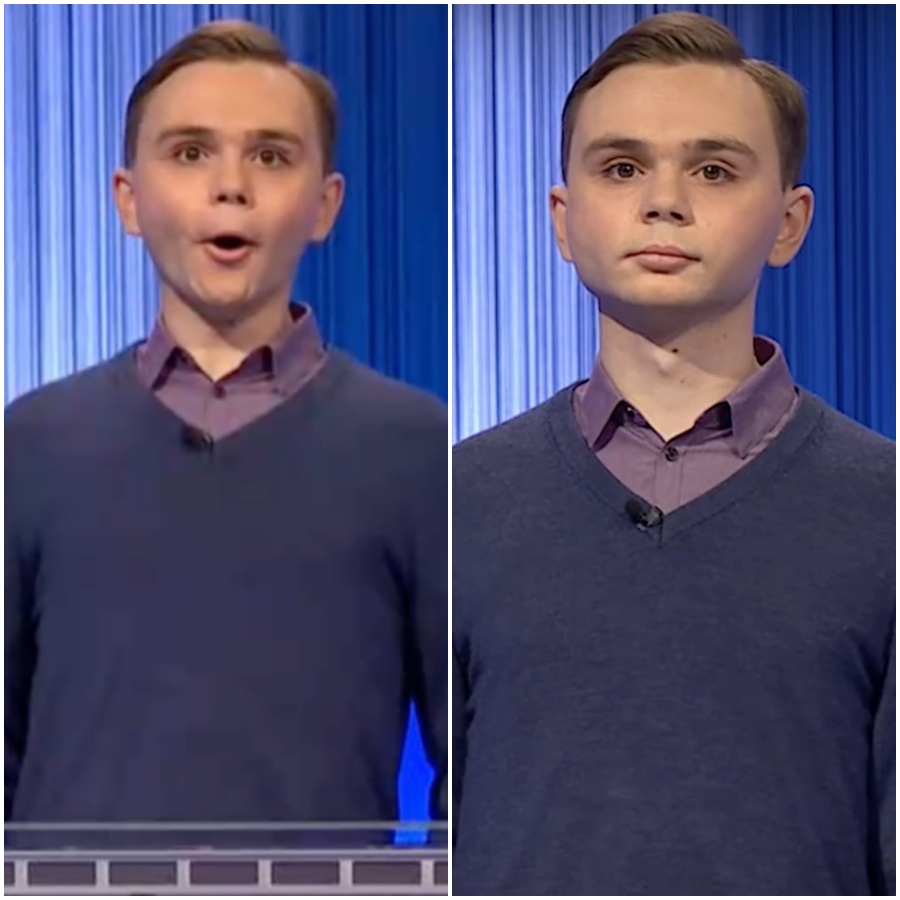
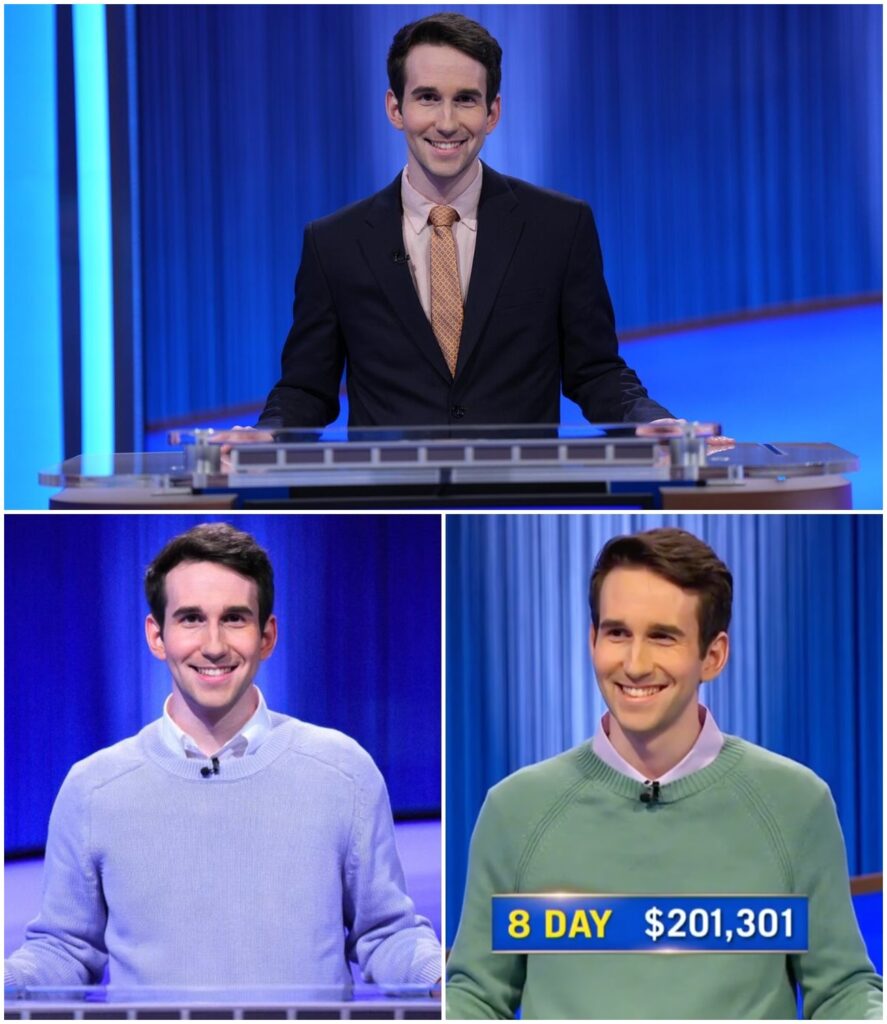
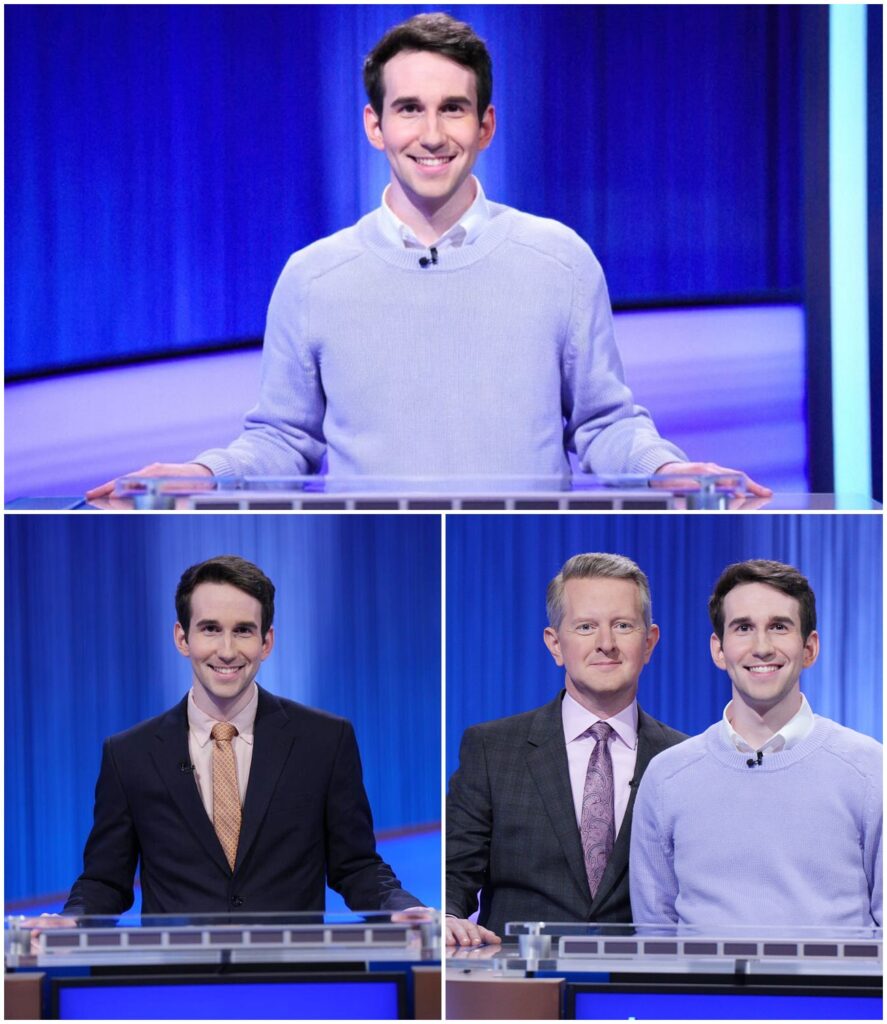
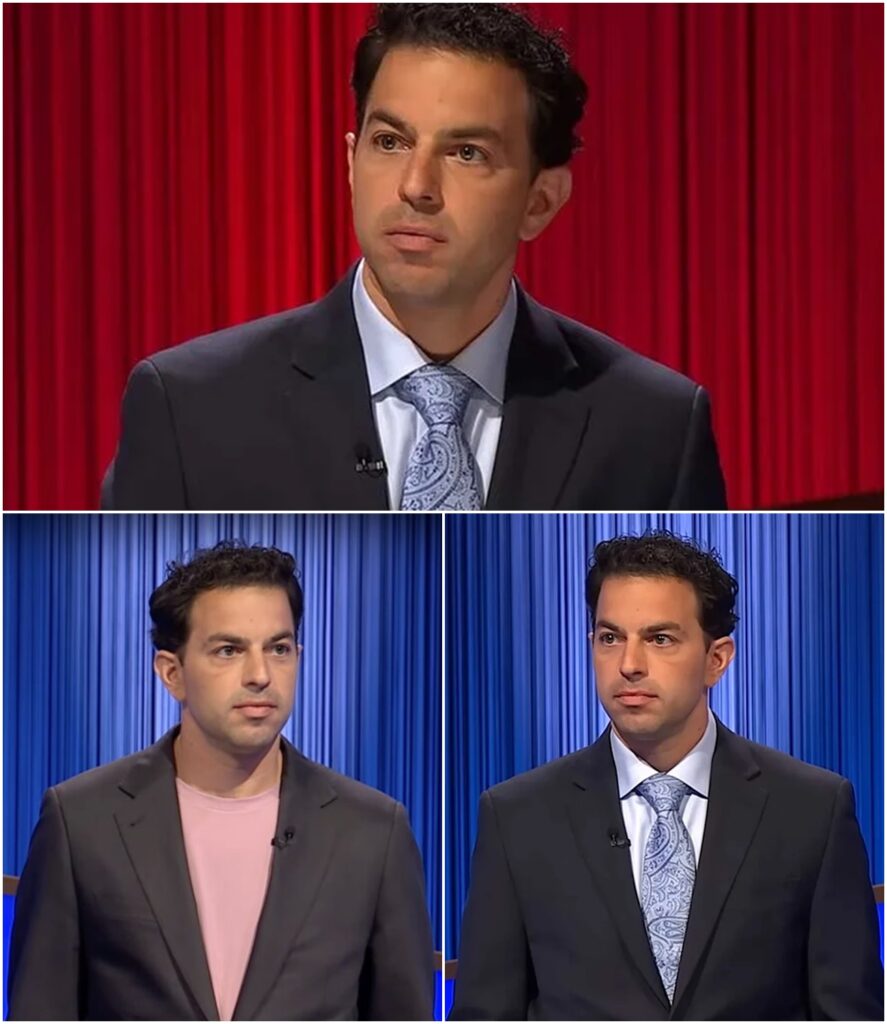
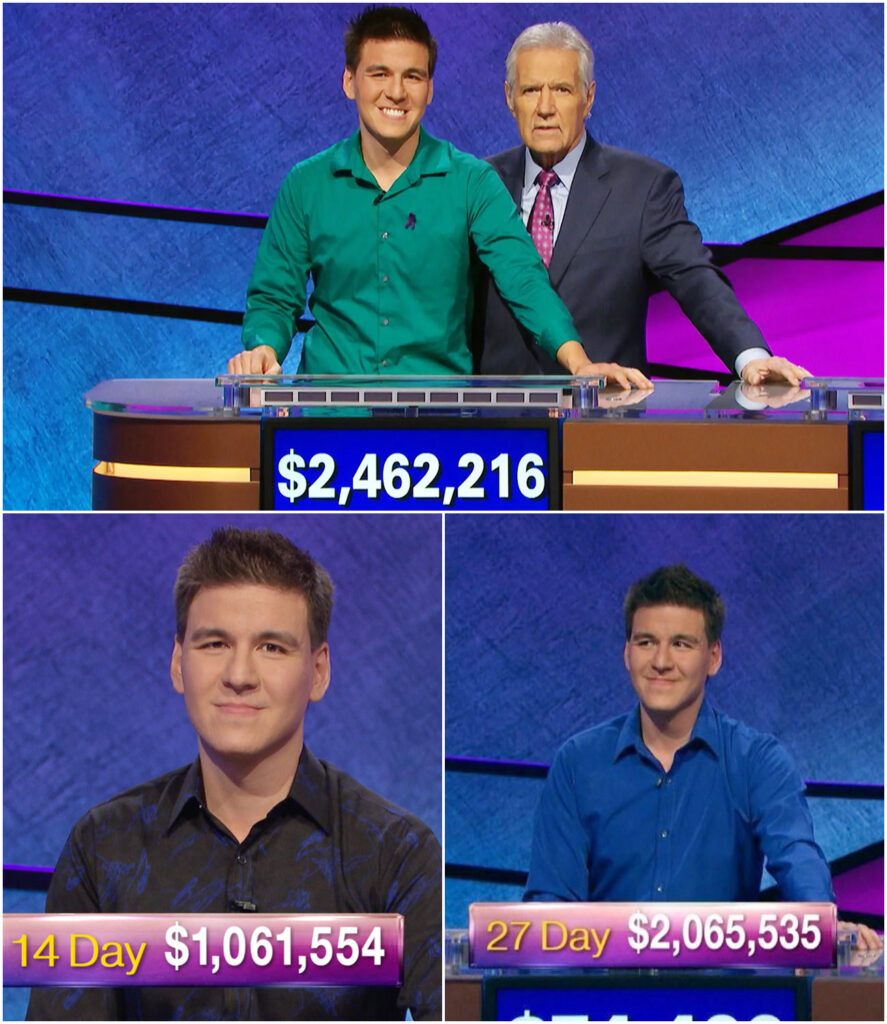
Double The Danger! Ron Lalonde Follows His Twin Brother Ray As A ‘Jeopardy!’ Champ: Did He Secretly Eclipse His Brother’s Eye-Watering Earnings Record?
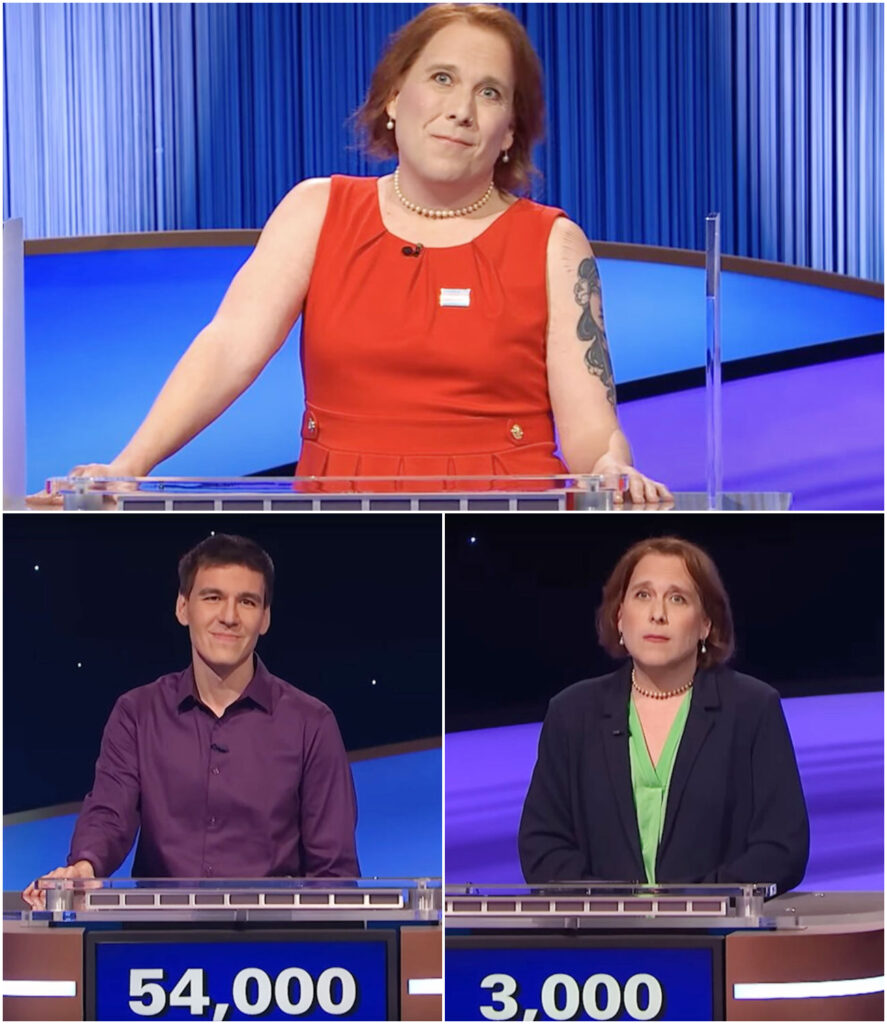
Ron Lalonde follows twin brother as Jeopardy! champion with eye-watering earnings Twin brothers Ron and Ray Lalonde both became Jeopardy! Champs, while Harrison Whitaker’s 14-game streak ended View 3 Images Ron Lalonde has followed his twin brother Ron Lalonde followed in his twin brother’s footsteps this week by becoming a two-day Jeopardy! champion, echoing the […]
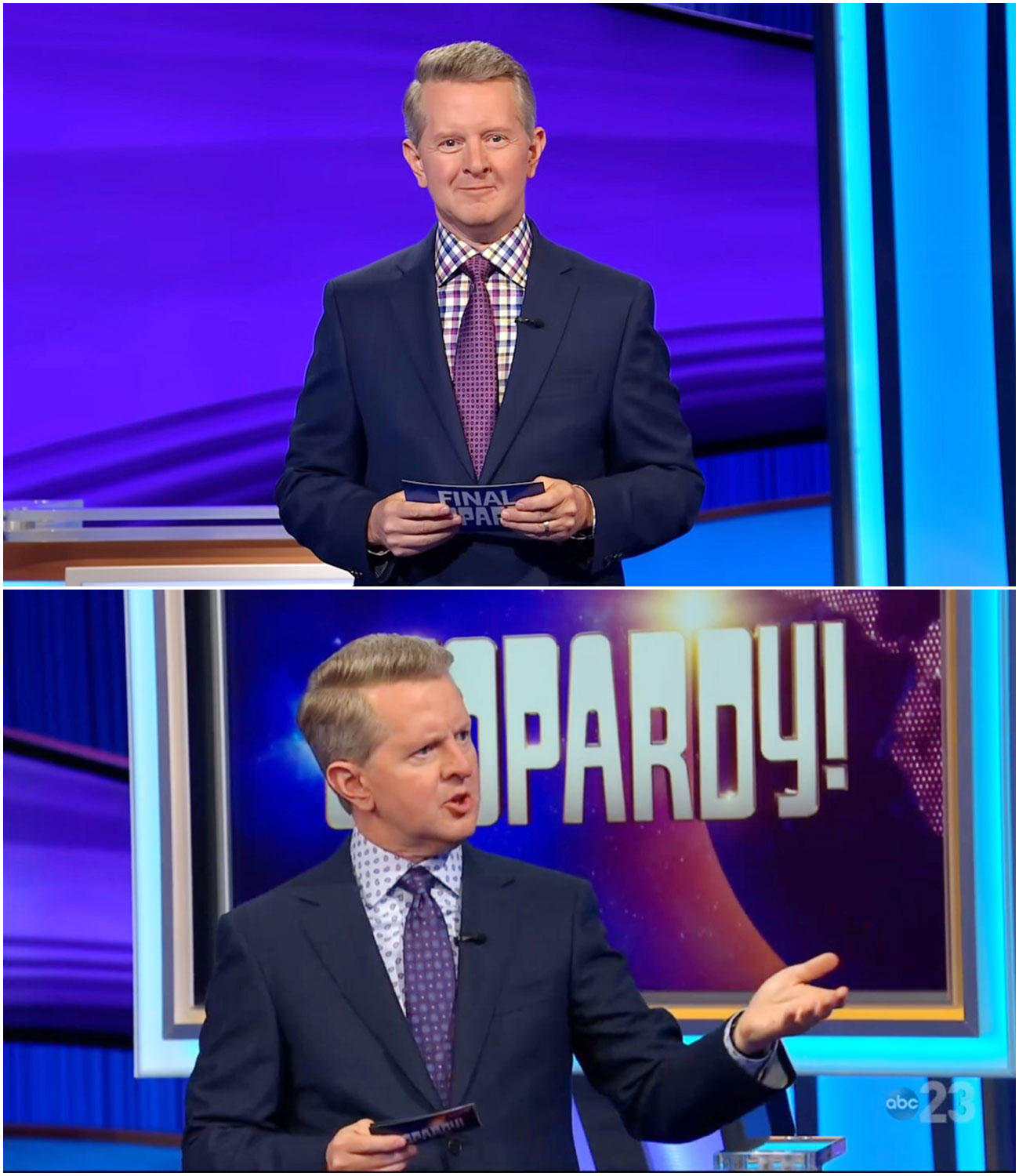
‘Jeopardy!’ Fans Complain They Don’t Like Celebrity Video Questions
‘Jeopardy!’ Fans Complain They Don’t Like Celebrity Video Questions Courtesy of ‘Jeopardy!’/YouTube Courtesy of ‘Jeopardy!’/YouTube What To Know Jeopardy! has recently featured celebrity video clues in some episodes, often as a way to promote upcoming releases or tie into themed categories. Many fans have expressed frustration on social media, arguing that these video clues disrupt the […]
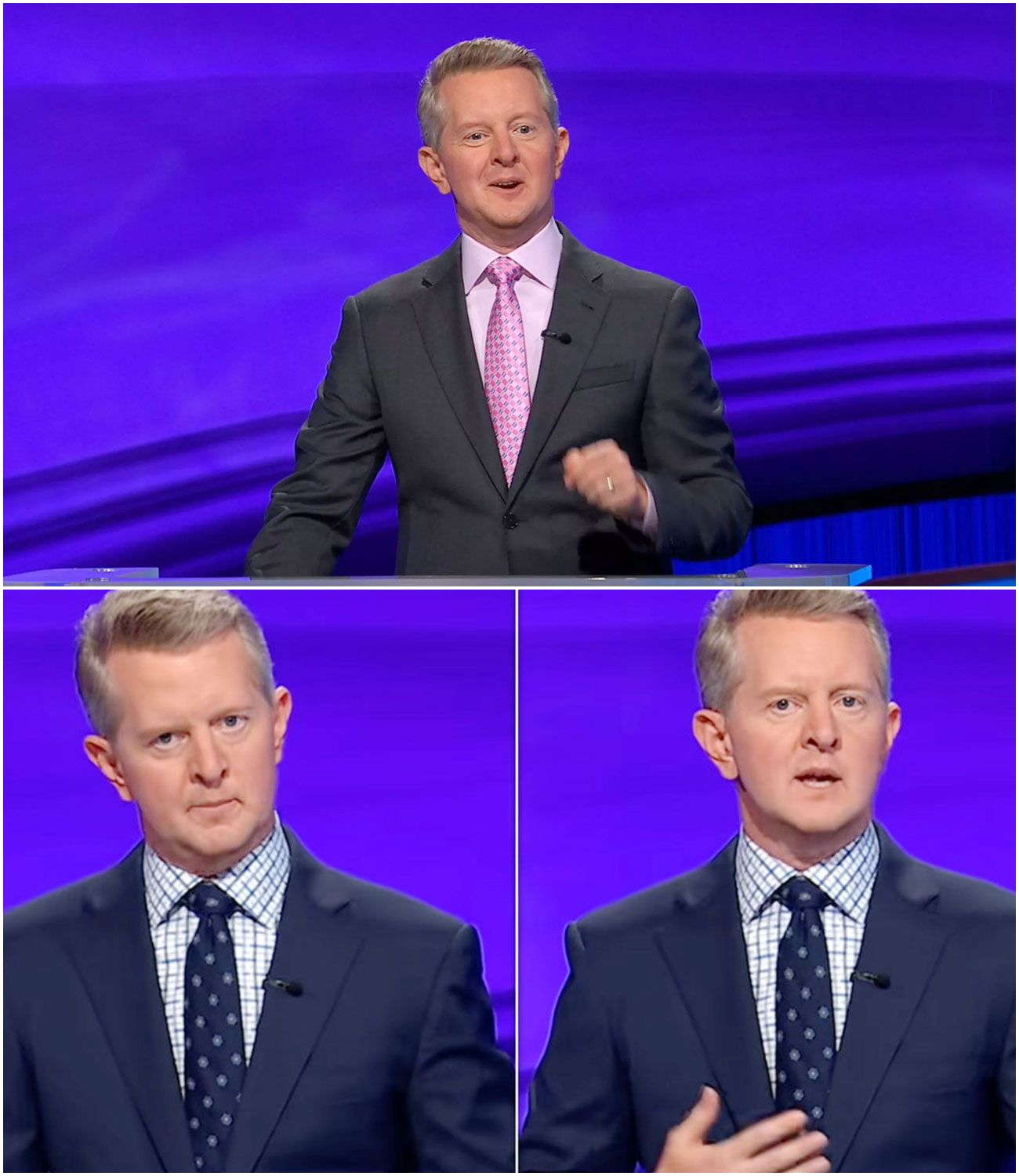
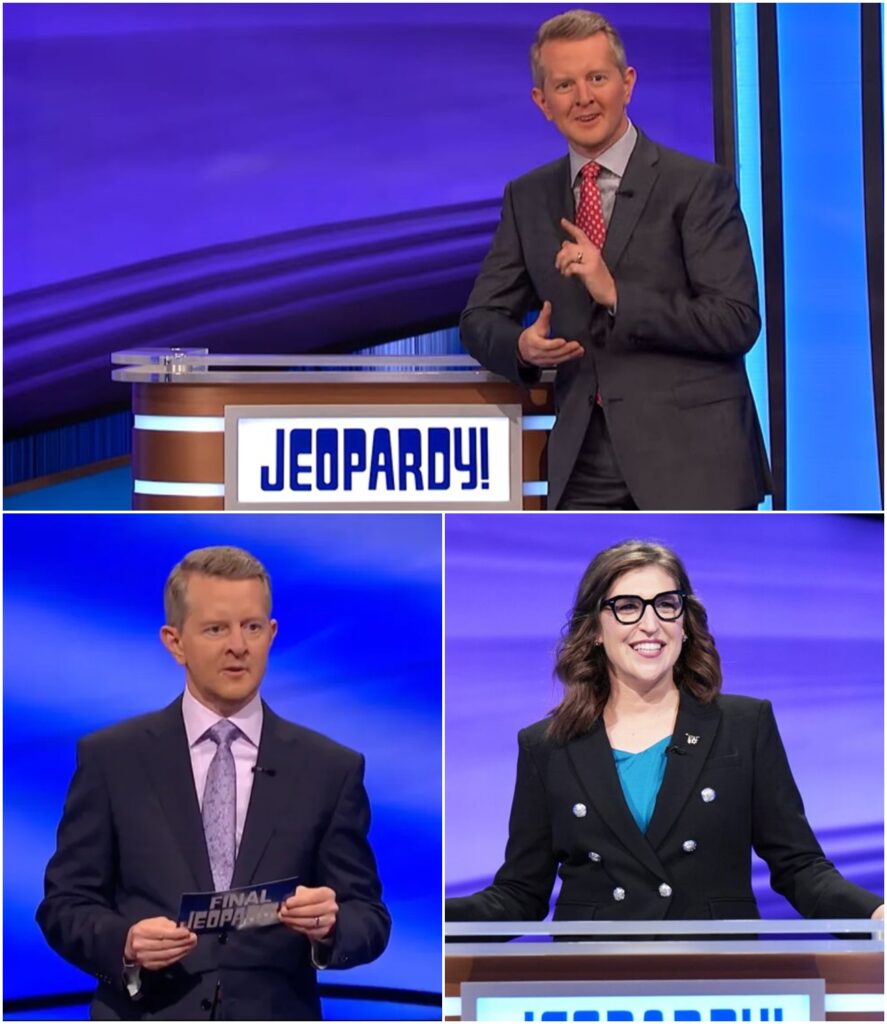
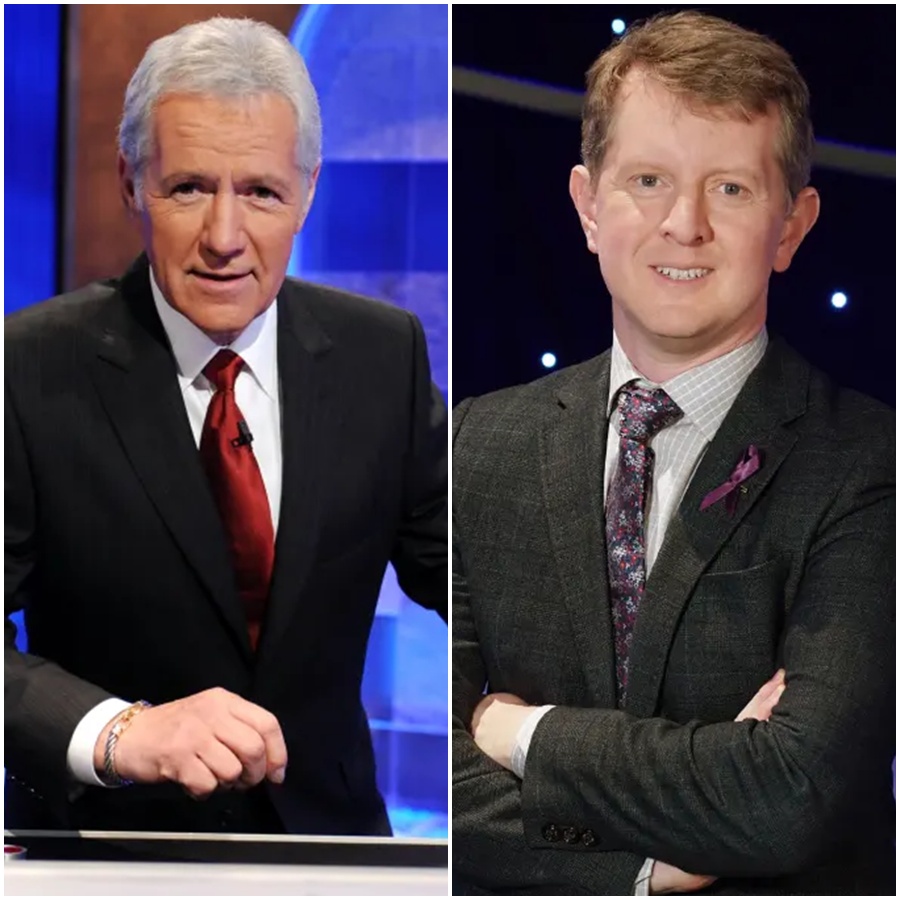
3 times Ken Jennings has apologized on behalf of Jeopardy! and his actions
3 times Ken Jennings has apologized on behalf of Jeopardy! and his actions Ken Jennings is beloved for many reasons, and one of them is because the TV personality seems to know how to take accountability when it’s time whether it’s for him or Jeopardy! Jeopardy! host Ken Jennings isn’t too big to admit he’s […]
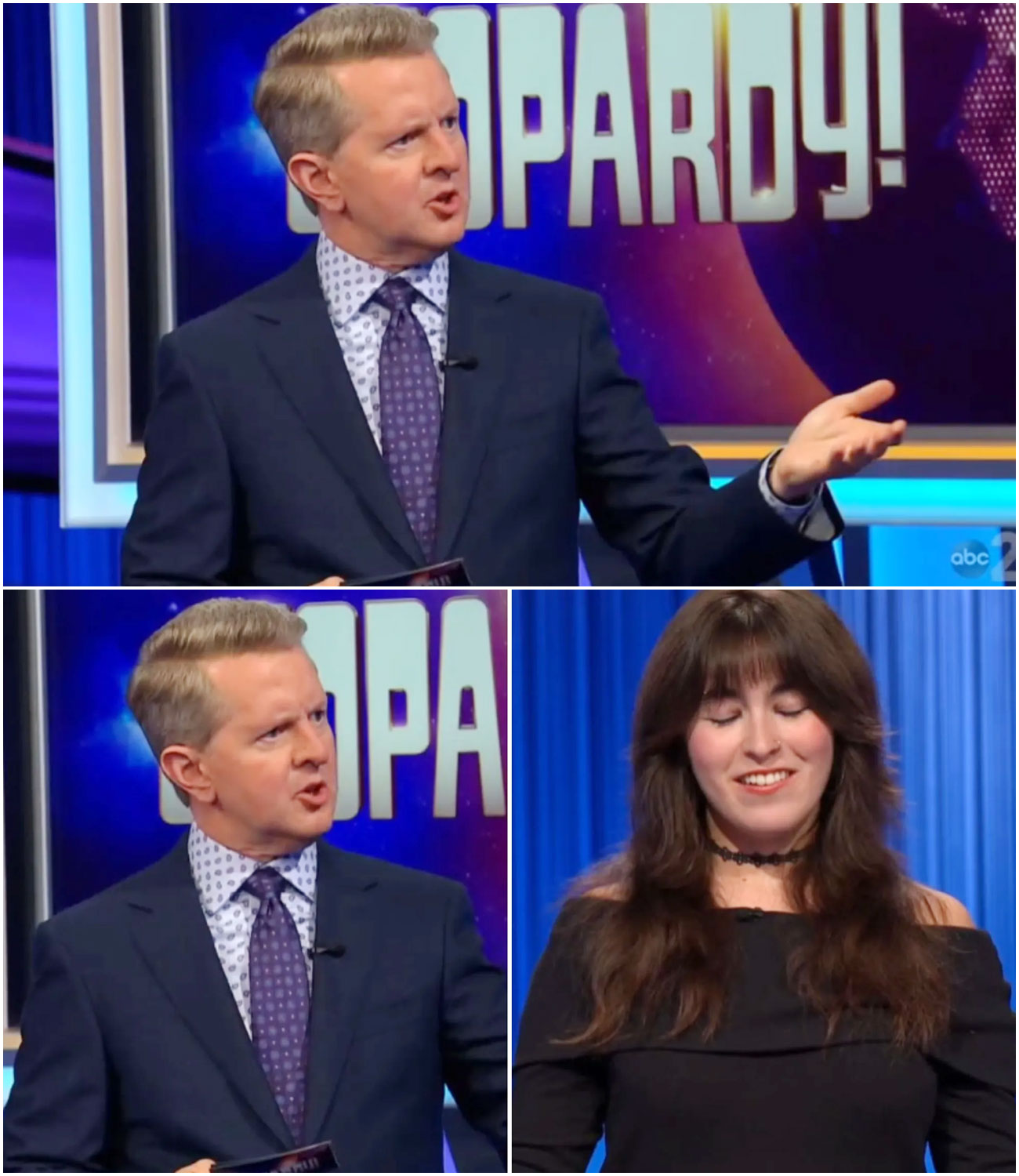
Jeopardy! fans slam ‘nonsense’ clues as one category is ‘the worst’
Jeopardy! fans slam ‘nonsense’ clues as one category is ‘the worst’ During the latest episode of Jeopardy!, viewers were outraged over one vocabulary category in the first round that had three clues which stumped all of the contestants View 3 Images Jeopardy! fans slam “nonsense” clues as one category is “the worst”(Image: Jeopardy!) Jeopardy! fans […]
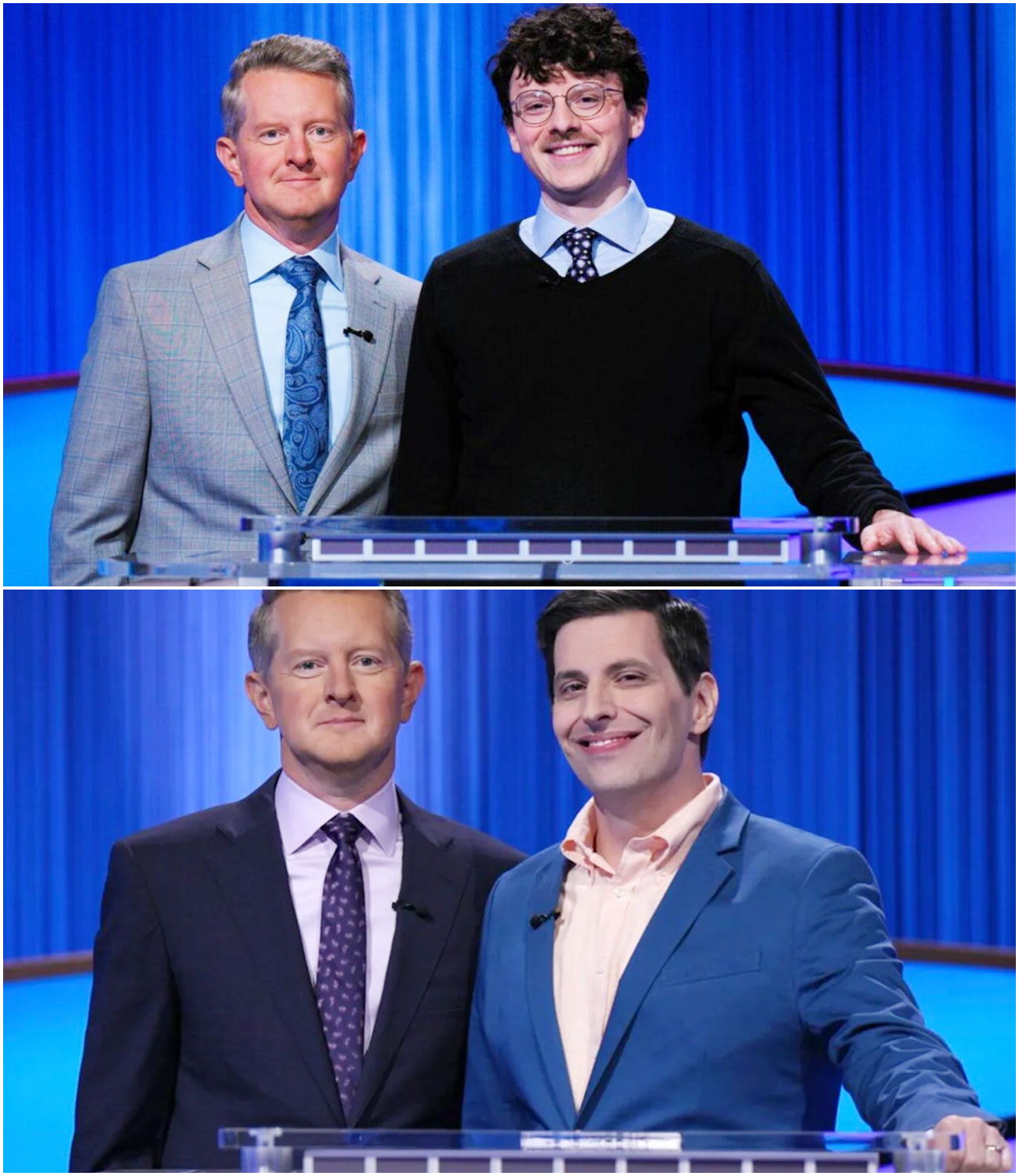
‘Jeopardy!’ Champion Arrested on Felony ‘Peeping’ Charges
‘Jeopardy!’ Champion Arrested on Felony ‘Peeping’ Charges Jeopardy, Inc! Two-day Jeopardy! champion Philip Joseph “Joey” DeSena, who appeared on the long-running game show last November, was arrested on Monday, December 1, on two felony “peeping” charges. According to MyFox8.com, citing a warrant filed by the Currituck County Sheriff’s Office in North Carolina, DeSena is accused of installing cameras in a […]
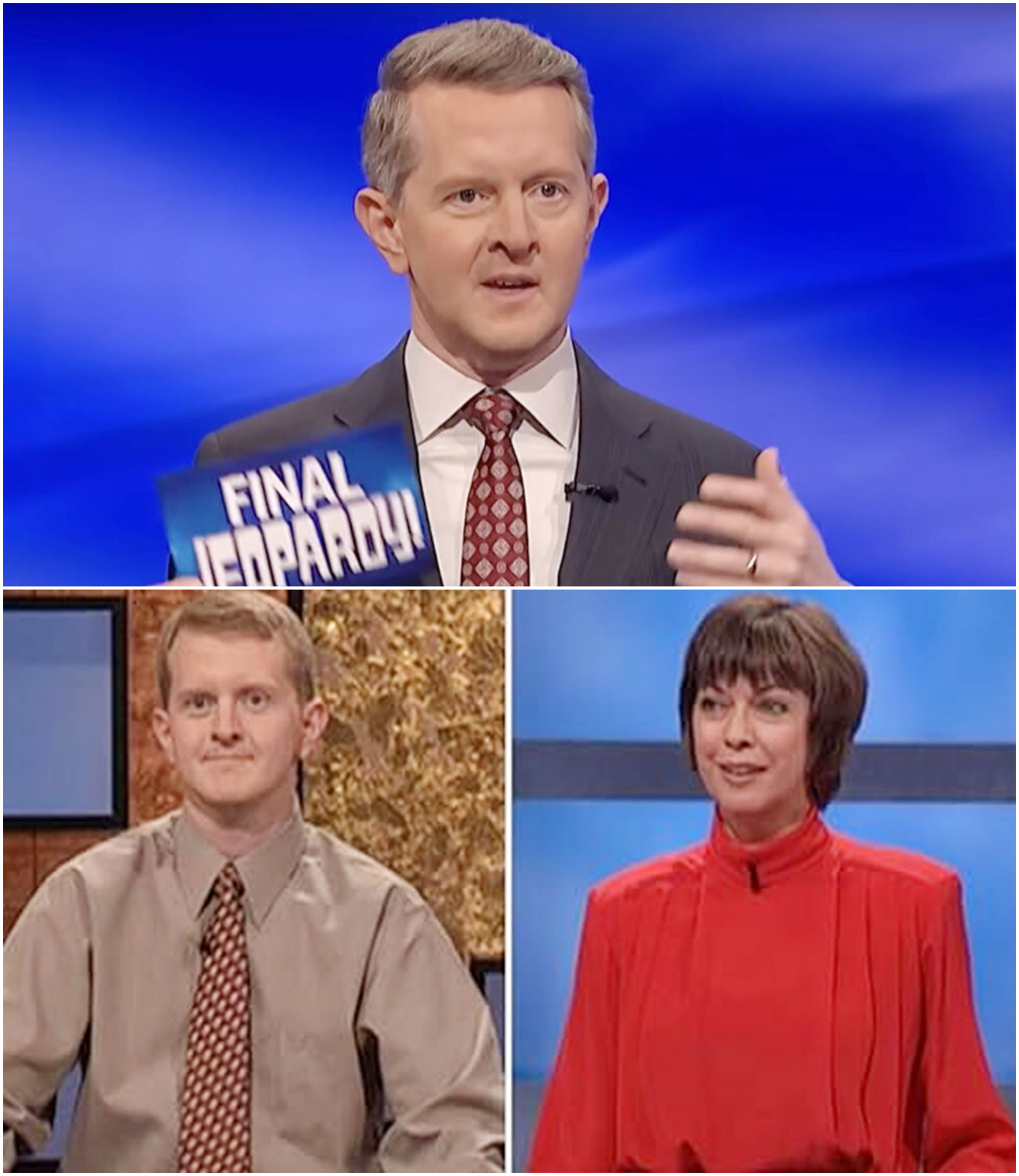
‘Jeopardy!’ Contestant Reveals She Got Death Threats After Beating Ken Jennings Sony/Jeopardy! When you defeat a 74-game Jeopardy! champion, you’re expecting cheers and a pat on the back. However, Nancy Zerg received death threats for six months after winning her game against Ken Jennings. Zerg, now 69, has revealed in a new interview how her life was made hell after […]
End of content
No more pages to load