






















































































































































































































































































































































































































































































































































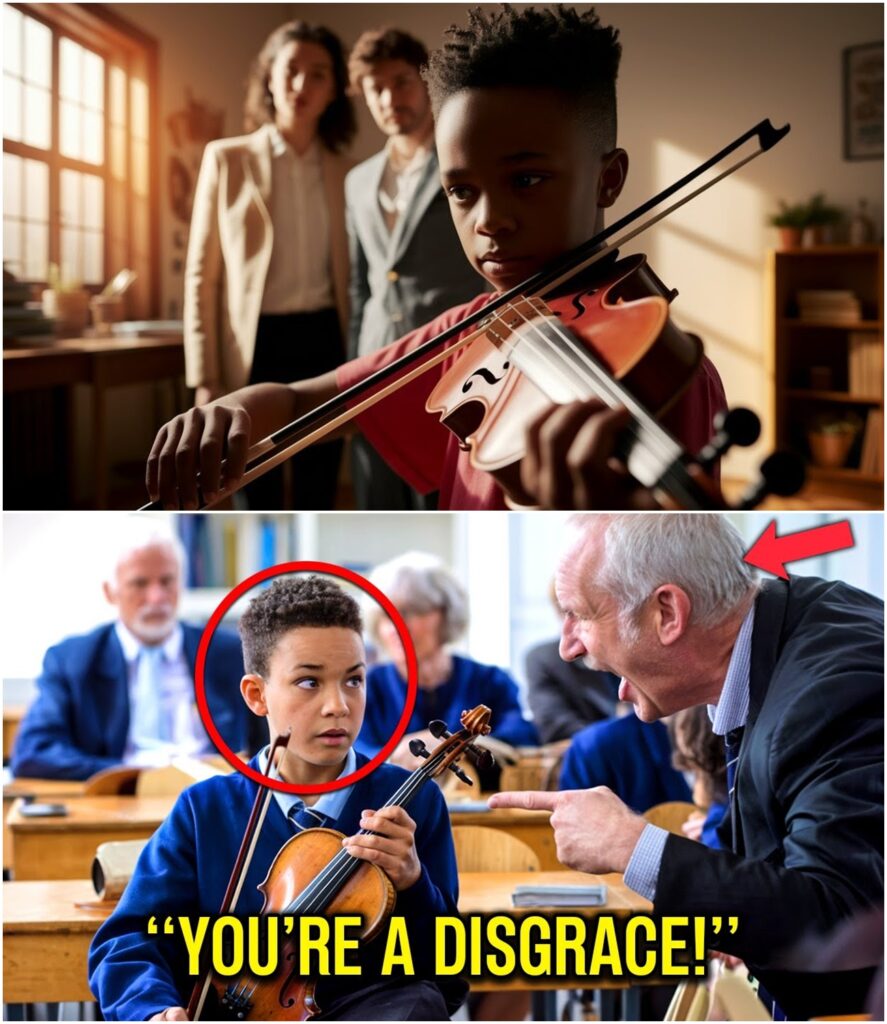

















































































































































































































































































































































































































Teachers Told Black Boy To PLAY VIOLIN to MOCK Him—But They Regret It When he Starts Playing

13-year-old Daniel Carter stood at the gates of Northbridge Academy, clutching the strap of his worn-out backpack. The prestigious private school loomed like a castle made of red brick and ivy, steeped in history and the legacy of old money. For Daniel, it felt like another world.

He was the newest scholarship student, and judging by the stairs, one of the only black kids on campus. “Remember what your grandfather always said?” his mother had whispered that morning, smoothing down the collar of his shirt. “Your mind is your instrument. Play it well.” Daniel nodded, pushing down the nerves. This scholarship was their chance.
His way out of the neighborhood, out of the struggle. As the bell rang and students streamed past him, laughing about summer vacations in the Alps and ski trips in Colorado, he tightened his grip on his bag and stepped into the unknown.
“You must be Daniel,” said a tall man with warm eyes. “I’m Mr. Bennett, history teacher. Principal Reynolds asked me to show you around.” Relief flooded through Daniel. Mr. Bennett was the first black face he’d seen all morning. “Thank you, sir,” Daniel said, his voice almost a whisper. As they walked the corridors, Mr. Bennett pointed out classrooms and lockers.
“Most of the staff here mean well,” he said carefully. “But it might take some of them a while to adjust.” Daniel knew exactly what he meant. He had been the new kid before, the one who had to work twice as hard to be seen half as much.
When they reached the music room, Daniel paused at the sight of a gleaming grand piano through the glass. “Do you play?” Mr. Bennett asked. Daniel shook his head automatically. “No, sir.” It was easier than explaining the late nights learning from Grandpa Elijah, violin in hand in their cramped apartment. That violin now sat wrapped in cloth at the back of his closet.
In English class, Daniel sat in the back. Mrs. Langston, the teacher, seemed taken aback by the depth of his analysis during their discussion of To Kill a Mockingbird. “Well,” she said, raising her eyebrows. “Someone did their summer reading.” Some students turned and stared. Daniel kept his head down.
“Lunchtime was worse. He sat alone, picking at his food, while conversations around him buzzed with tales of European boarding schools and sailing camps.”
“Hey,” said a voice. A girl with long, dark hair sat across from him. “I’m Laya. Your insight in English class was amazing.” Daniel blinked, surprised. “Thanks. I’m Daniel.” “I know,” she smiled. “New kids stand out. Especially the smart ones.” For the first time all day, Daniel allowed himself to smile.
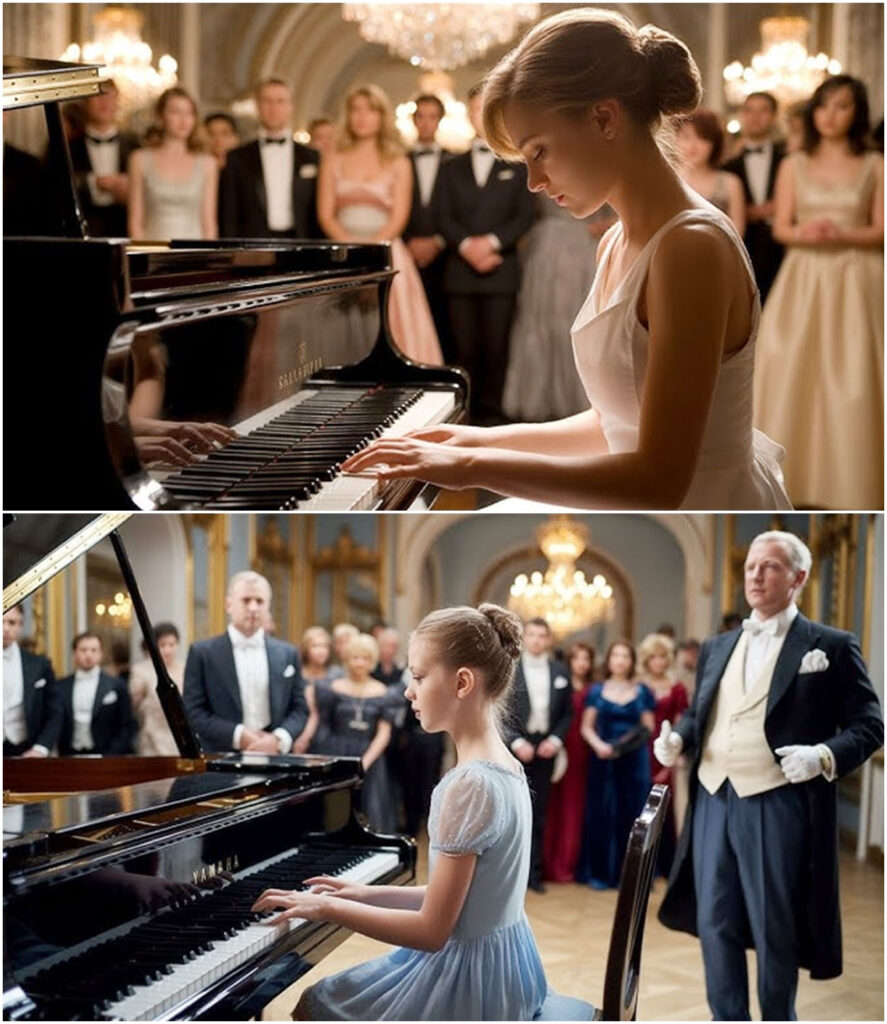
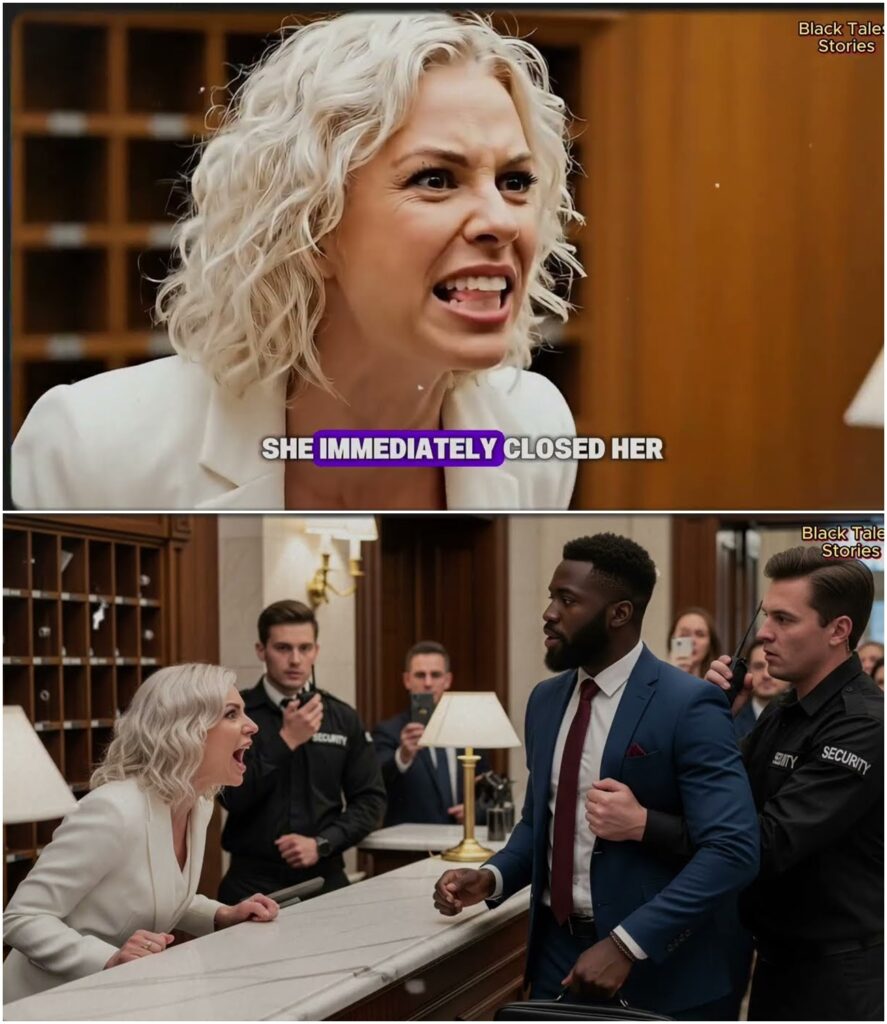
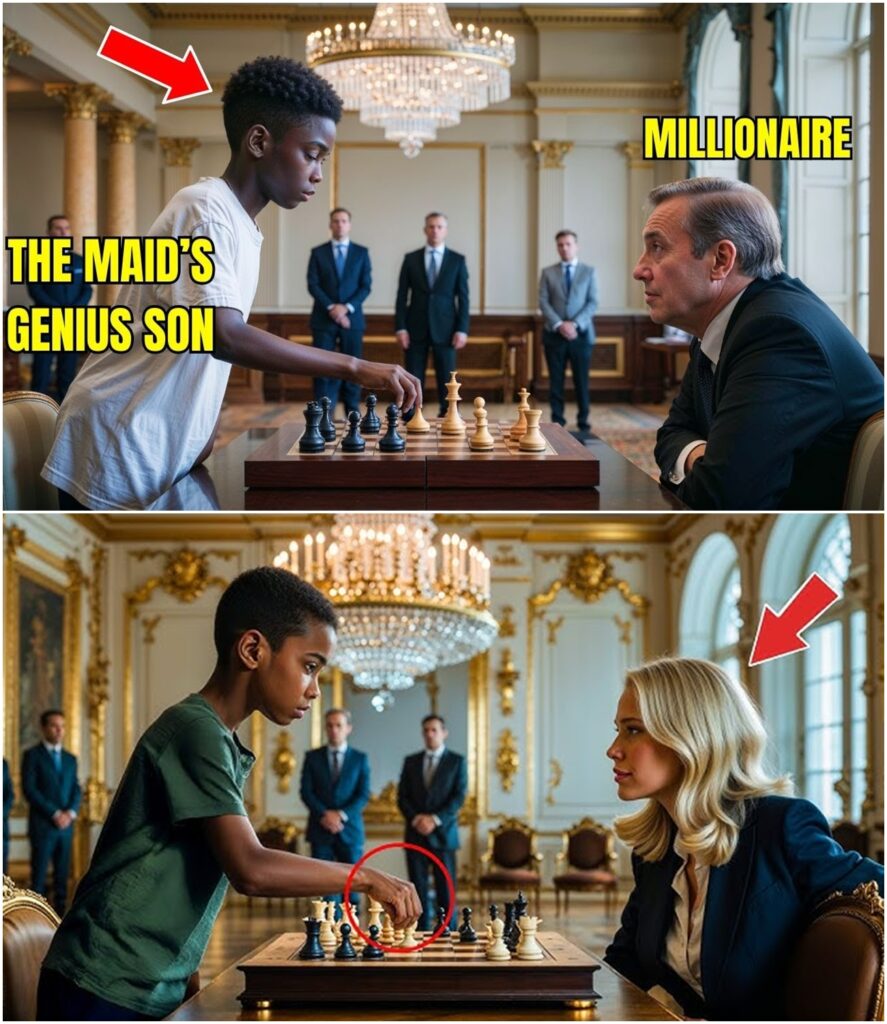
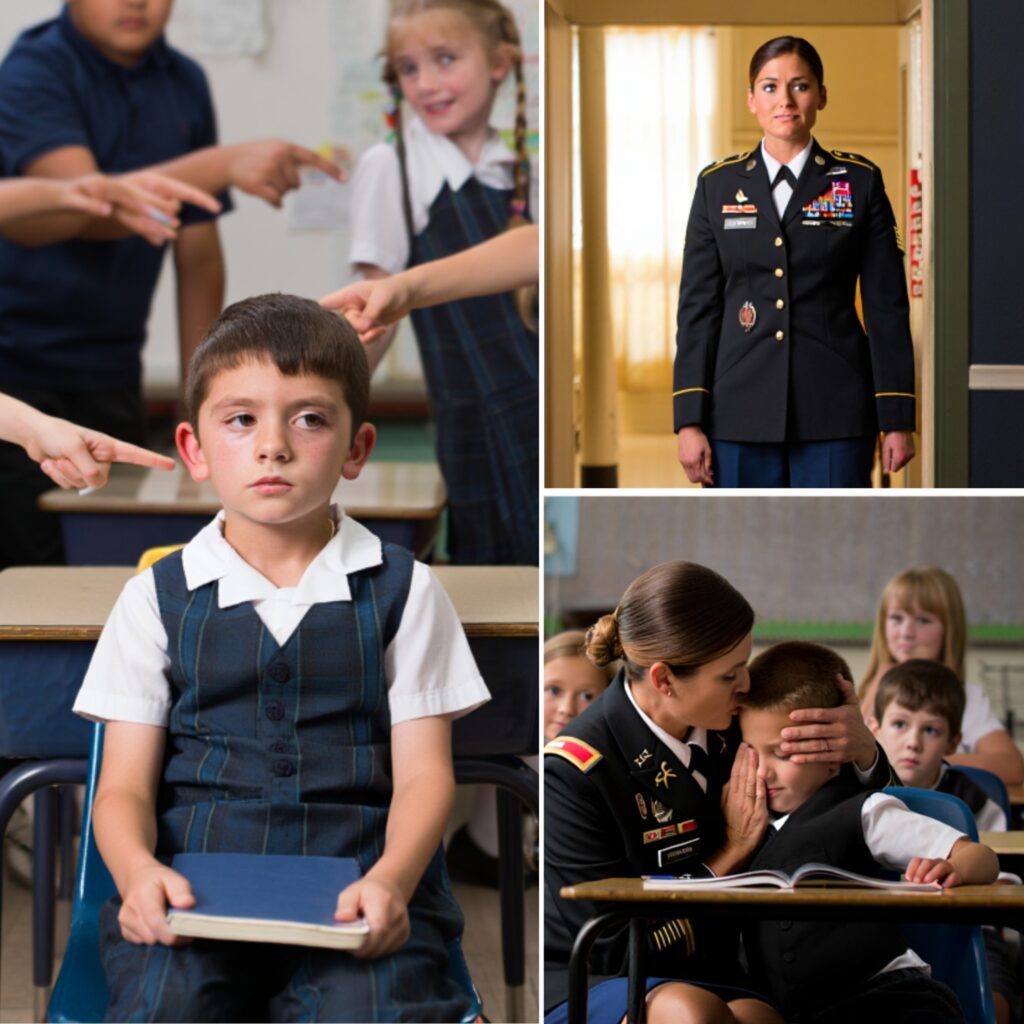
But that piece shattered the next morning when he saw his schedule. First period music with Mrs. Whitmore. The music room was palatial, polished with floors, high ceilings, and crystal chandeliers. Daniel chose a seat at the back. Mrs. Whitmore strode in with a click of heels, tall, icy, and immaculate. Her platinum hair was tied in a severe bun. Her expression as rigid as her posture.
“Welcome to advanced music appreciation,” she began, her voice sharp and precise. “I expect excellence from everyone.” Her pale eyes lingered on Daniel. “Everyone who belongs here.” Students introduced themselves with impressive musical resumes, private piano tutors, youth orchestras, summer programs at Juilliard.
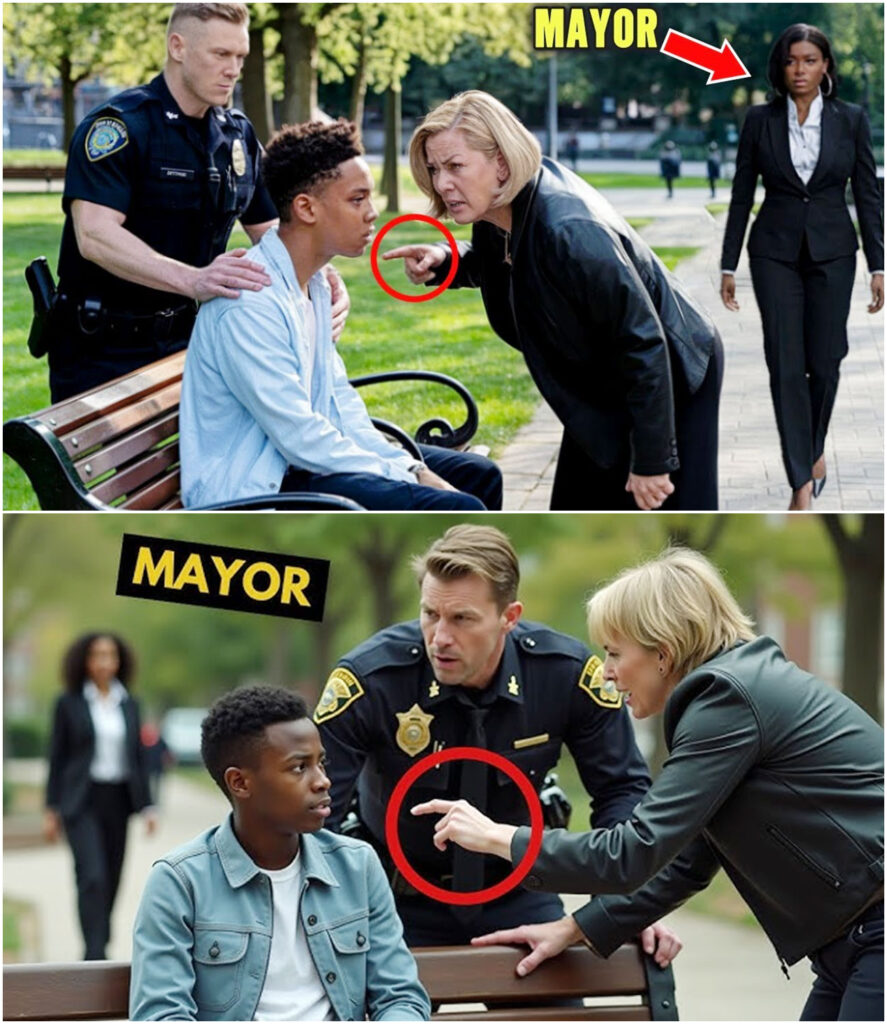
“Daniel Carter,” he said when it was his turn. “I’m new.” “That’s obvious,” Mrs. Whitmore replied. “Your musical background?” Daniel hesitated. “Private lessons.” “With whom?” “My grandfather.” “I see,” she said, her tone heavy with unspoken assumptions. From behind him, someone whispered, “But it was hip hop on a garbage can.” Laughter spread like wildfire. Mrs. Whitmore didn’t stop it.
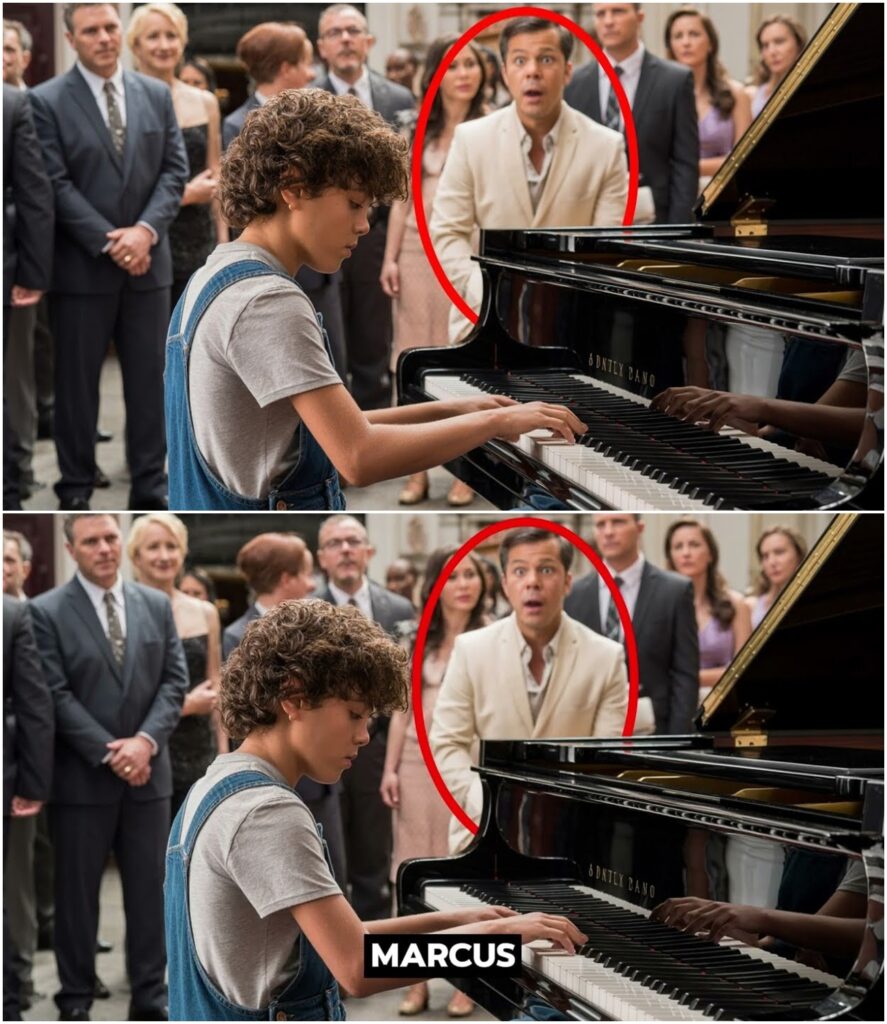
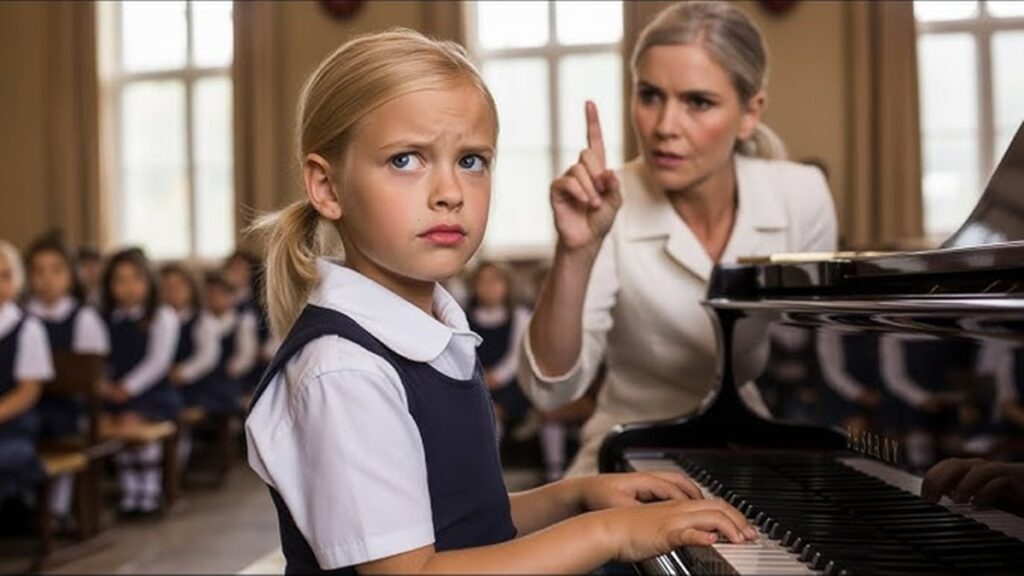
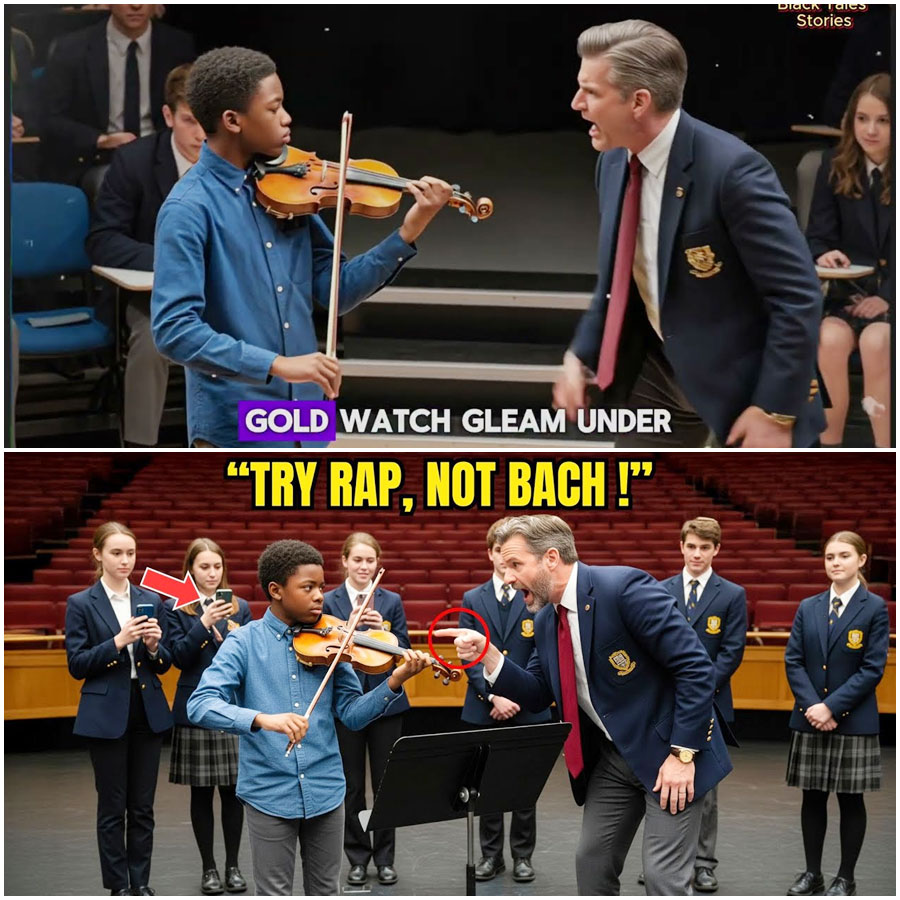
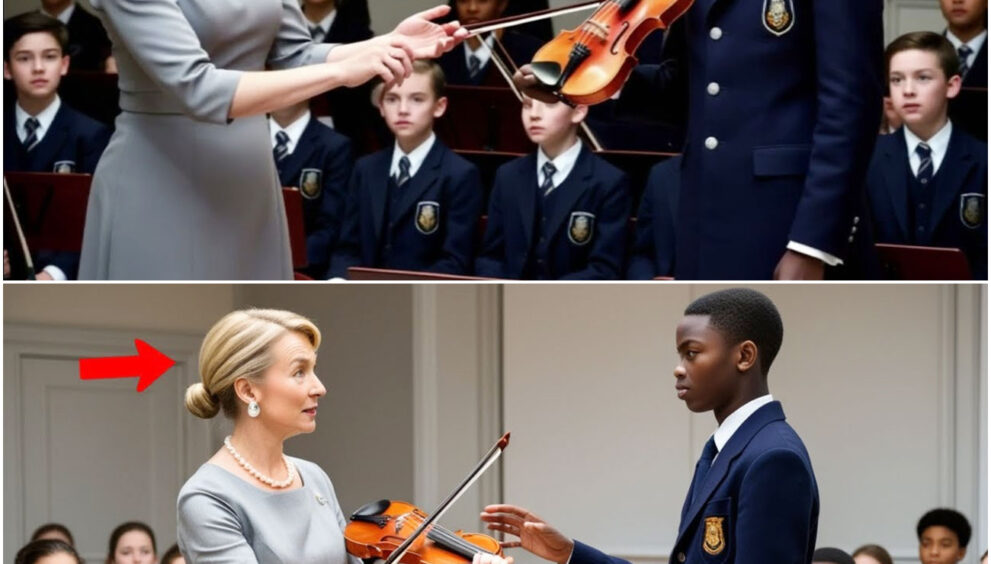
“Perhaps you’d like to demonstrate,” she said, gesturing to the shelves of instruments. “Violin? Perhaps.” Her voice stripped with condescension. Daniel didn’t respond. “Education requires courage,” she pressed. “Unless you prefer to transfer to a less rigorous class.” He stood slowly, approached the front, and took the violin she handed him.
It was too light, the bow too stiff. “Maybe start with something simple. Twinkle, twinkle, perhaps.” Another laugh. Daniel raised the violin, then lowered it. “The bridge is misaligned,” he said. “Excuse me. It’ll affect the sound.” Her expression turned stone cold. “Play as it is.” Daniel sat back down, violin untouched.
“As I suspected,” she said, confidence without confidence. After class, Laya caught up with him. “That was brutal. Can you really play?” Daniel shrugged. “Doesn’t matter.” But that night, in the silence of their apartment, he opened the closet and pulled out the worn leather case. Grandpa Elijah’s violin, amberwood, hand-carved scroll, worn but proud.
He remembered being seven, standing in their living room as Grandpa adjusted his grip. “The violin,” Grandpa said, “is like telling a secret, but it speaks where words can’t.” Those lessons continued for years. While others played outside, Daniel learned Bach, Dvorak, and Saint-Saëns. He practiced until his fingers ached. Grandpa never asked for perfection, just honesty through music.
When Grandpa passed two years ago, his last words to Daniel were, “Play for those who need to hear it.” Daniel played now, Bach’s Partita No. 2 in D minor. Frustration, grief, and hope poured from the strings. When he finished, he turned to find his mother in the doorway, eyes wet. “You sound just like him,” she whispered.
The next day, Daniel asked Mr. Bennett about the spring concert. “Thinking of auditioning?” Daniel nodded. “Good music deserves to be heard, especially when it’s been silenced too long.” Daniel practiced in secret. Laya found him one day in an abandoned music room. “That was incredible,” she said after listening. “Mrs. Whitmore is going to eat her words.”
But the system resisted. Daniel’s audition form came back rejected. “Dvorak’s concerto is reserved for seniors,” Mrs. Whitmore said coolly. “Is there an appeal process?” Daniel asked. “I am the committee chair.” Daniel’s mother intervened. She marched into Principal Reynolds’s office with recordings of Daniel’s playing.
“This isn’t about favoritism,” she said. “This is about fairness.” Reluctantly, the principal agreed to an audition. Mrs. Whitmore was furious. Professor Harris, a guest judge from the university, overheard the argument. “I’ll be staying for the full audition,” he told Daniel, smiling. “Play what matters.”
When Daniel walked on stage, he carried his grandfather’s violin and a photograph Mr. Bennett had given him. Elijah Carter, young and proud, before a 1967 concert. Daniel played the Adagio, just 7 minutes, but it held lifetimes. Notes his grandfather once played for segregated halls now echoed in a room full of privilege.
When he finished, the auditorium stood. Professor Harris stepped forward. “Not just a performance, a conversation across generations.” Daniel was selected for the concert, not as a last-minute addition, but as the featured soloist. The night of the concert, the auditorium overflowed. Daniel played the full concerto, all three movements.
This time, he wasn’t just playing for himself. He was playing for Elijah Carter, for every voice dismissed, every talent overlooked. Weeks later, the school launched the Elijah Carter music scholarship. Daniel taught violin at a local center that summer. “Who wants to learn to play?” he asked a group of wide-eyed kids. Every hand shot up.
Somewhere, Daniel imagined his grandfather smiling. Music, like truth, always finds a way to be heard.
News
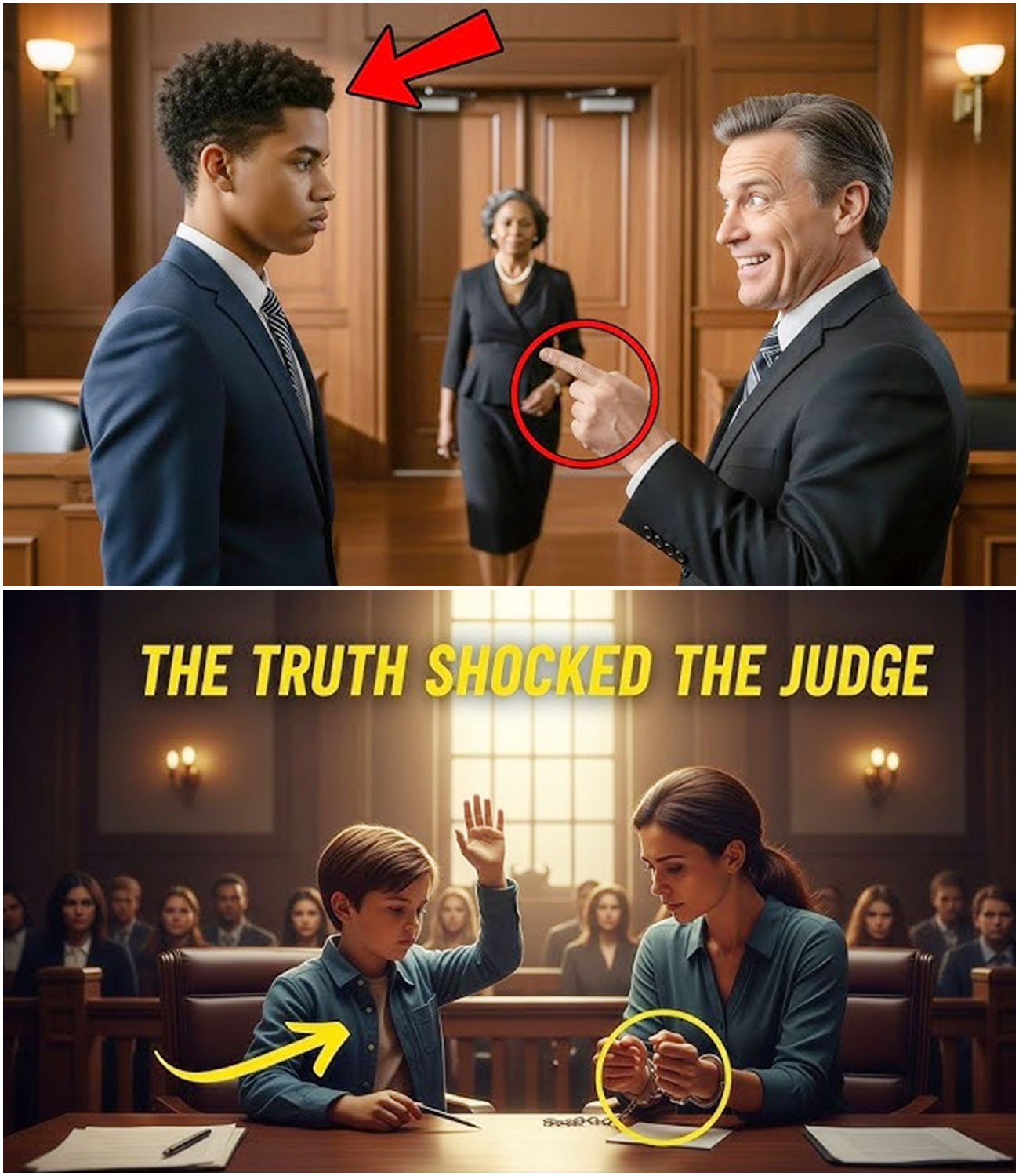
“My Mom Is Not Guilty,” Said the Small Boy — What the Judge Found Out Left Him Speechless
The courtroom was silent until a trembling voice cut through the tension. Your honor, my mom didn’t steal anything. Gasps rippled across the room. A 9-year-old black boy stood alone before the judge, clutching a folder bigger than his chest. Behind him, his pale, tearful mother watched, handcuffed and accused of a crime she didn’t […]
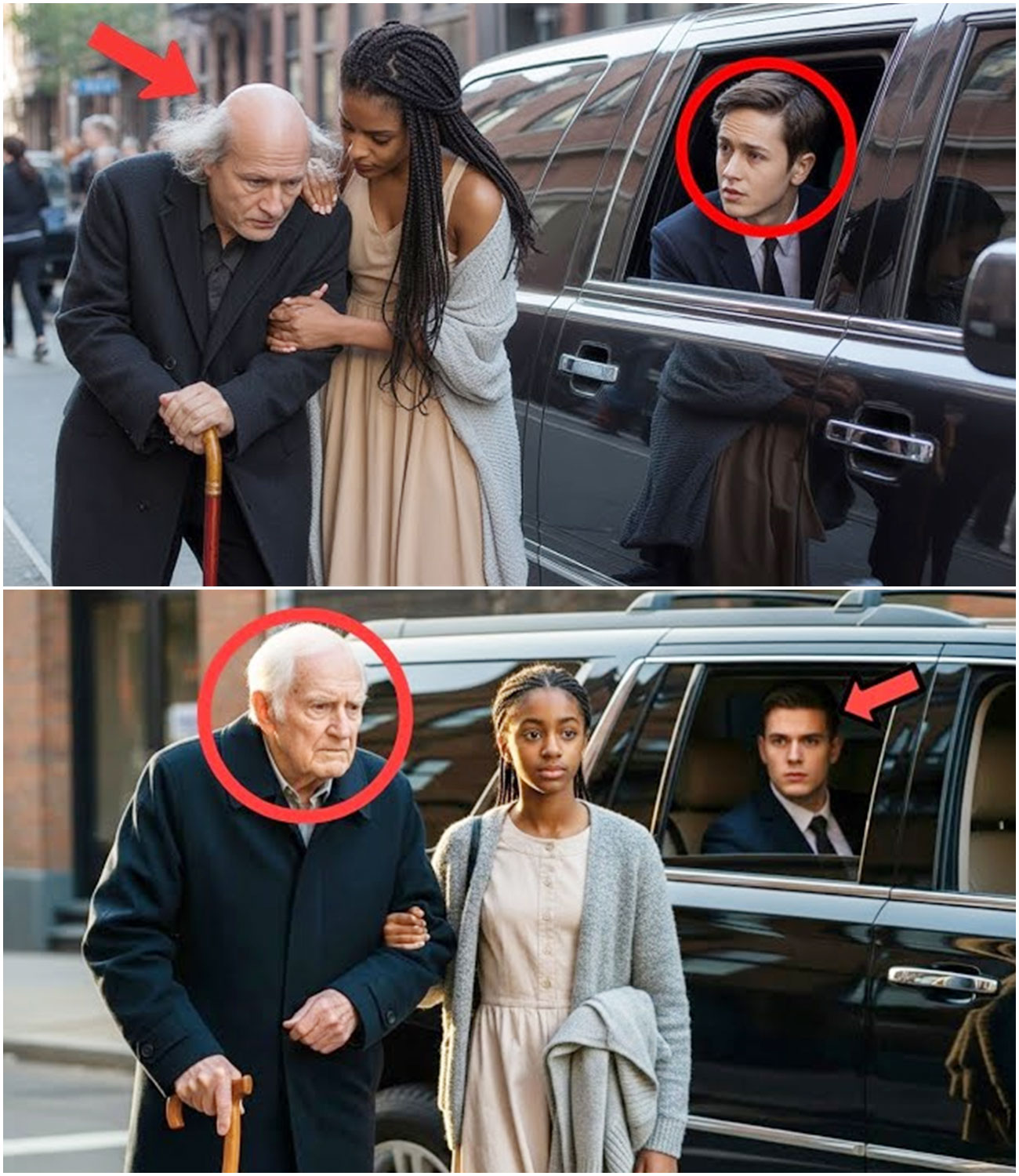
Poor Black Girl Helped an Old Man Cross the Street — Unaware He Was the Town’s Richest Farmer…
At the busiest corner of town, traffic thundered and no one cared except Amir with patched shoes and a bag stitched together. She noticed an old man frozen at the curb, his cane trembling as cars sped past. Everyone else ignored him. Some even laughed at her for stepping forward. But Meera didn’t flinch. She […]
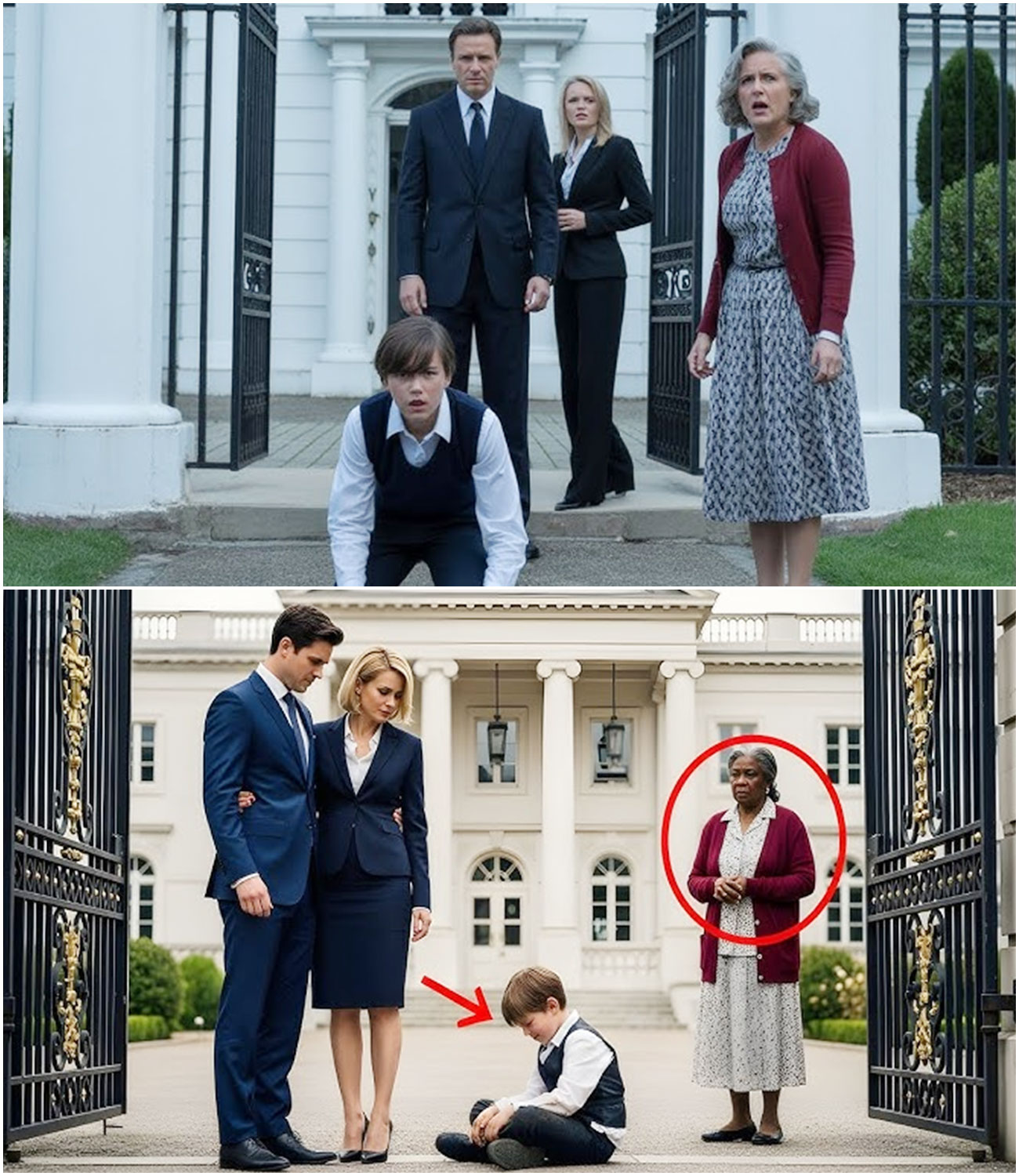
Boy Kicked Out by His Parents Returns 12 Years Later with his Nanny and Does Something Shocking.”
Thrown out for being dumb, young Daniel was left kneeling on the cold pavement while his wealthy parents shut the gates behind him. The only one who refused to walk away was Miss Ruth, the family’s old nanny, who quit her job and took him in with nothing but faith and sacrifice. Years later, Daniel […]
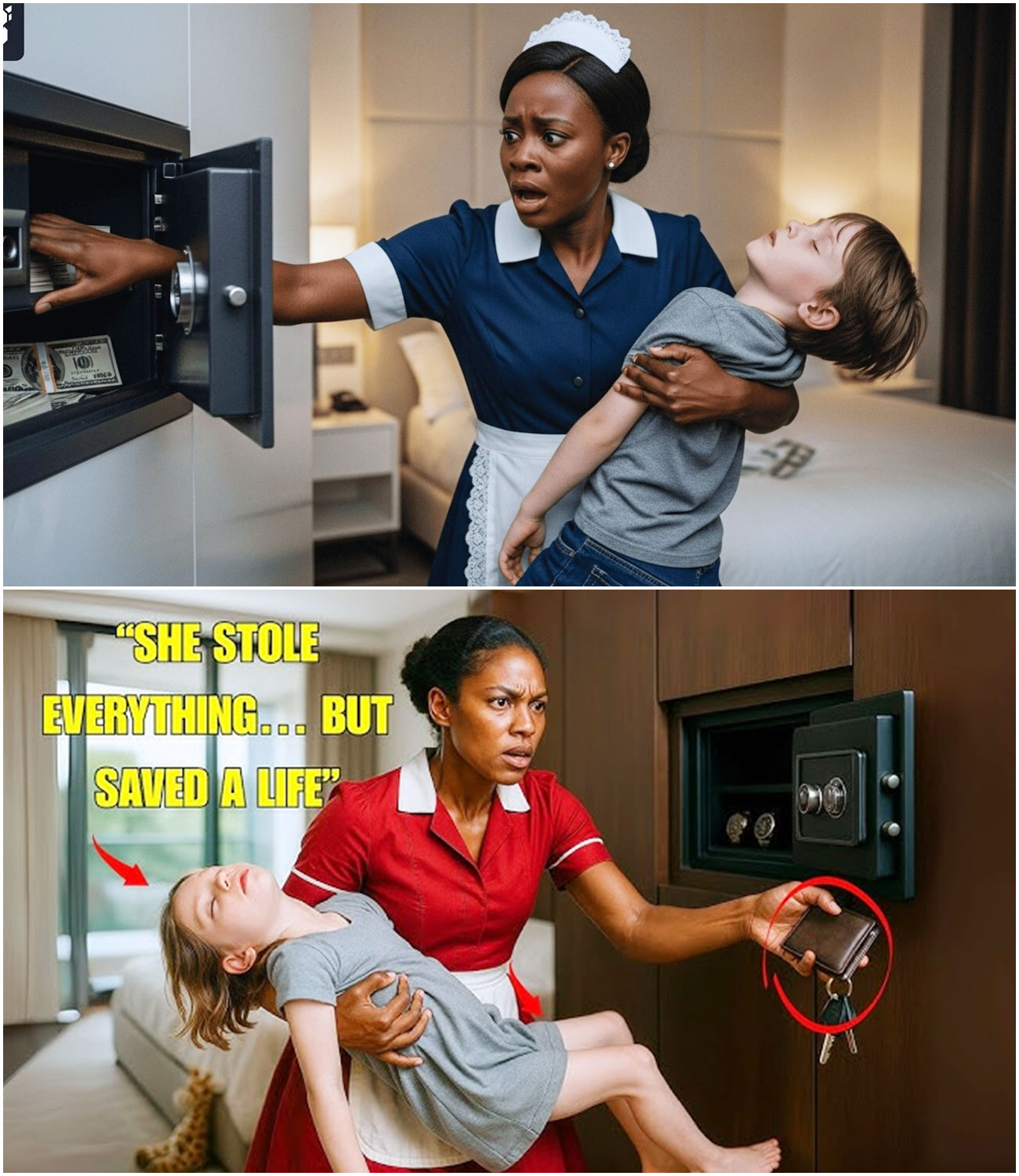
Black maid Stole the Billionaire’s Money to save his dying daughter, —what he did shocked everyone
Tasha was just a new maid, barely noticed, barely trusted. But when she found the billionaire’s daughter barely breathing, with no staff around and the mansion silent, she panicked. No calls were going through. No help was coming. So she did the unthinkable, broke into his locked office, grabbed the car keys and a bundle […]

Millionaire Comes Home and Finds His Pregnant Wife Crying—What He Discovered Shocked Him.
Millionaire comes home and finds his pregnant wife crying. David Whitman thought he had built the perfect life, but nothing prepared him for the day. He walked in early and found his young wife, Aisha, sobbing, her body covered in fresh bruises. Through her tears, she asked, “Am I ugly? Am I a monkey? Don’t […]
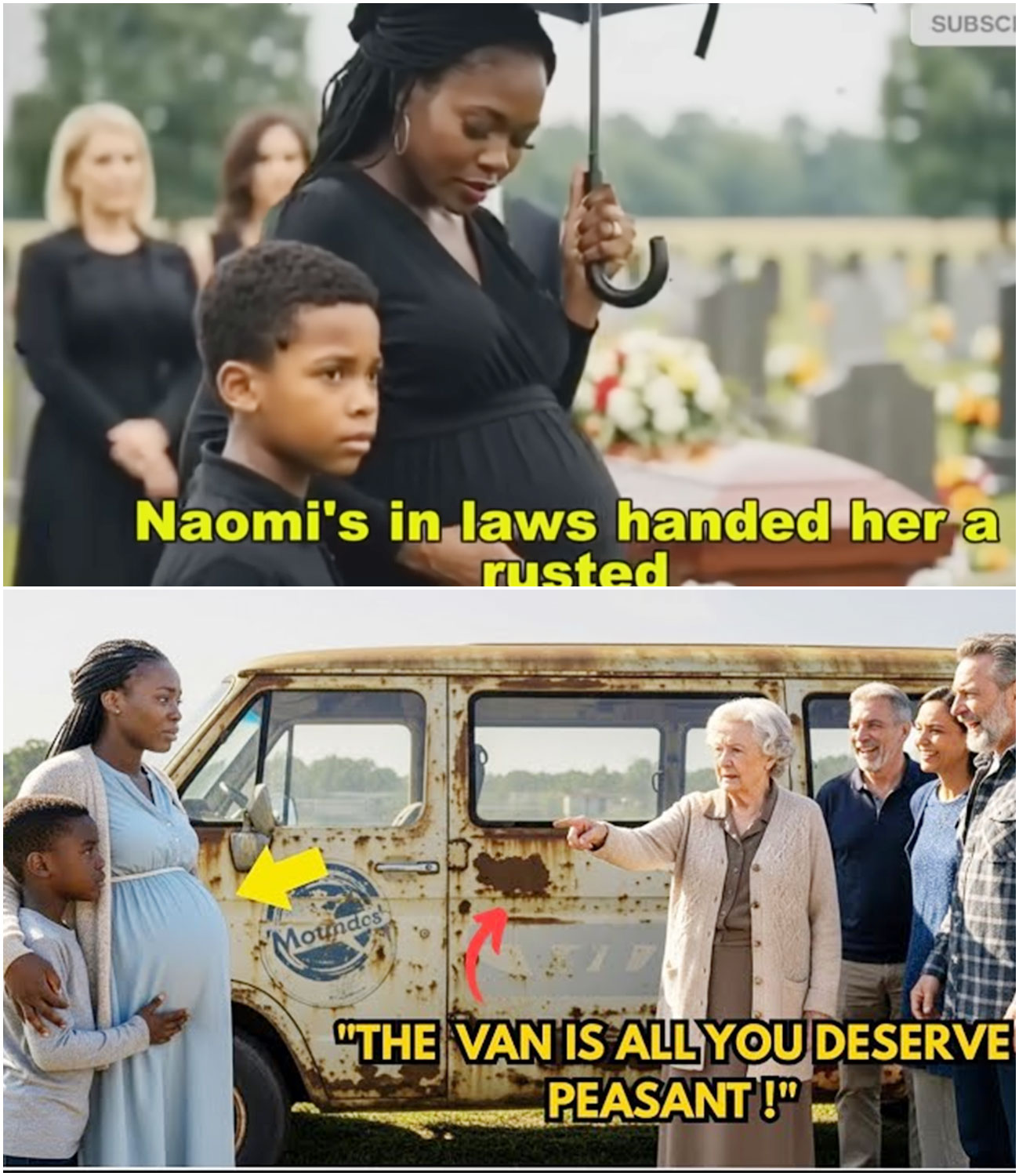
InLaws laugh as they gave her the Rusted van as her inheritance, — Unware the van was made of gold
At her husband’s funeral, Naomi’s in-laws handed her a rusted broken down van as her inheritance, laughing as they threw her out of the house and stole the businesses she’d built with him. 7 months pregnant, with her 10-year-old son beside her, she had no choice but to live in the van they claimed was […]
End of content
No more pages to load